WhatsApp Image 2026-01-14 at 22.02.17

KAILO Session 2

Kailo Small Circle – Session 2: Exploring Community and Belonging

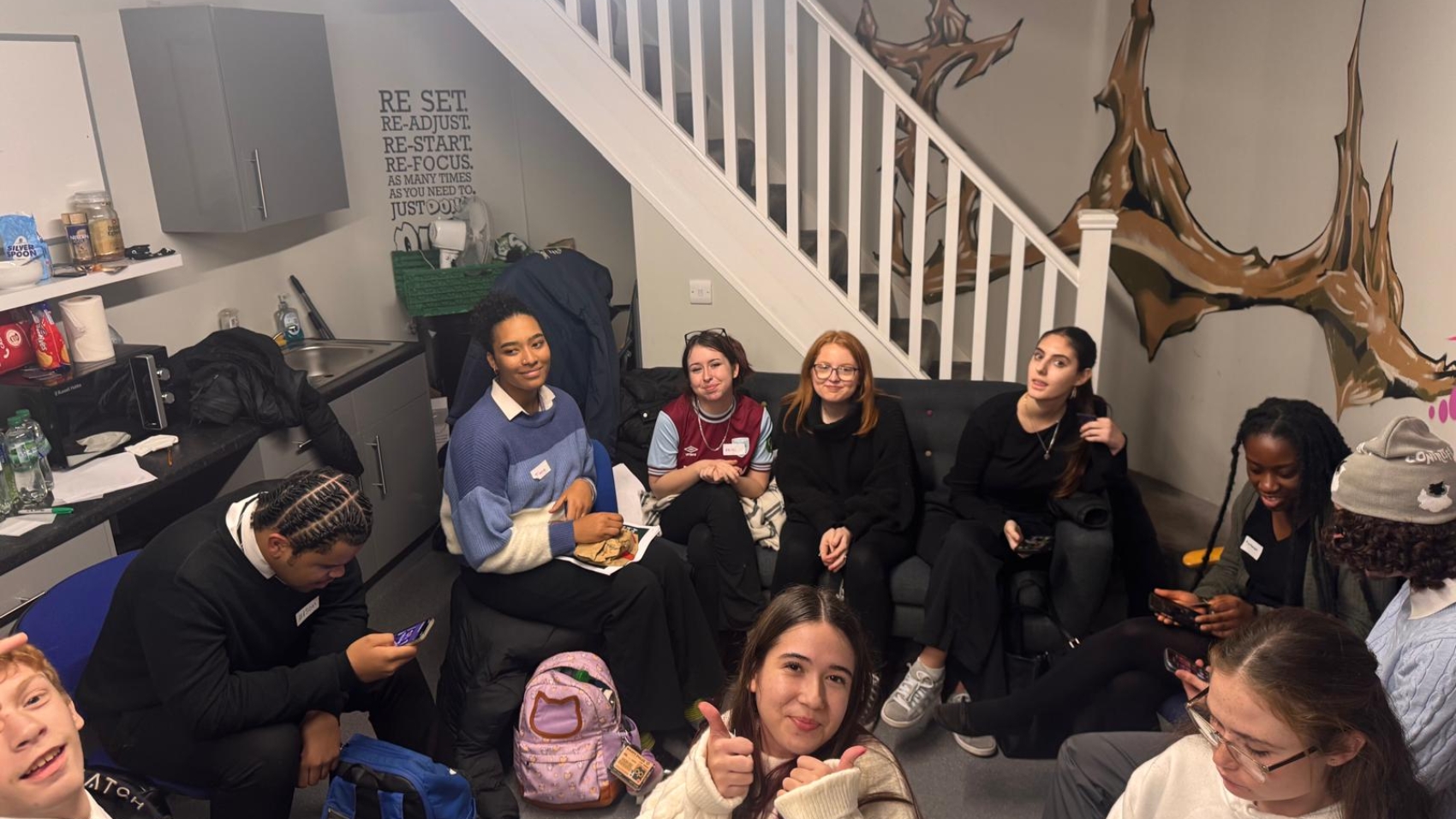
Our second Kailo Small Circle session built on the strong foundations of week one, with young people arriving more confident, comfortable and ready to share their experiences. The focus of this session was to develop a **deeper understanding of the “opportunity area” — what community and belonging really mean to young people — and to begin exploring the different factors that shape how connected and safe they feel in their local area.

The session began with an interactive icebreaker that helped highlight both shared experiences and individual differences within the group. This naturally led into reflective conversations about identity, feeling included, and times when young people may feel anxious, isolated or treated differently because of their age, background or circumstances. These discussions created a safe space where young people could speak honestly and listen to one another with empathy and respect.

Young people then shared their “Visual Voice” work — photos they had taken in their local area showing places they enjoy, places they avoid, and things that influence how connected they feel to their community. These images sparked powerful conversations about the importance of having safe spaces to socialise, the role of sport and shared activities in building friendships, and how simple everyday interactions can help people feel part of something bigger. As one young person shared, being out with friends and playing football “brings us together, helps us make new friends, helps us socialise and communicate a lot more,” while another reflected that even saying hello to people in the neighbourhood can help them feel more involved in the community.

However, young people also spoke openly about barriers to feeling connected. Some shared that public spaces can feel unsafe, particularly when groups are hanging around, while others described how people can feel isolated, with “everyone kind of in their own world,” making it harder to build relationships. These honest insights helped the group recognise that belonging is influenced by many connected factors — not just individual choices, but environments, social attitudes and access to positive spaces.

In small groups, young people then began mapping the system around community and belonging, using mind maps to explore how different issues link together — such as lack of youth spaces, discrimination, social media, safety, and opportunities to mix with others. By drawing connections between these factors, the group started to see how challenges are often part of a wider system, and where change could potentially make the biggest difference.

The session ended with groups sharing their maps and reflecting on patterns that were starting to emerge, including which issues were mentioned most often and which felt most important to tackle. This collective reflection is a crucial step in the Kailo process, helping young people move from sharing experiences to identifying where they want to focus their energy and ideas for change.

Session 2 marked an important shift from getting to know each other, to working together as a team to understand the bigger picture. The depth of discussion, honesty and respect shown by the group was inspiring, and it is clear that young people are already thinking critically about their community and their role in shaping it. We are excited to see how these conversations continue to develop as the group moves into the next stage of system mapping and identifying change areas.


WhatsApp Image 2026-01-14 at 18.54.54

Targeted Outreach And Early-Intervention Programmes

Youth Unity CIC works in partnership with Kent Police and local Community Safety Partnerships to deliver Targeted Outreach And Early-Intervention Programmes across North Kent, including Dartford and Gravesham.

This collaboration focuses on reaching young people in community “hot spot” locations through positive, relationship-based engagement, offering safe spaces, trusted adults, and meaningful activities that help reduce vulnerability to exploitation, violence, and harm.

Together, we identify locations and times where young people are most at risk and deploy Youth Unity’s mobile outreach teams to provide immediate, visible support within the community, helping to build trust, improve feelings of safety, and connect young people into longer-term support where needed.


What the Outreach Includes


Mobile Intervention Support Service (MISS)

As part of the partnership, Youth Unity delivers its Mobile Intervention Support Service (MISS) — a transportable “safe haven” that brings positive activities directly into neighbourhoods where young people gather.

Sessions typically include:

  • Sports and physical activities (football, boxing, table tennis, basketball)
  • Creative engagement such as podcasting and music
  • Gaming and team challenges
  • Informal mentoring and trusted conversations
  • Signposting and referrals to further support

Youth Navigators and mentors use these activities as a gateway to build relationships, encourage teamwork, and support young people to make safer, more positive choices.

Trauma-Informed and Contextual Safeguarding Approach

All delivery is underpinned by:

  • Trauma-informed practice
  • Adverse Childhood Experiences (ACEs) awareness
  • Contextual safeguarding principles
  • Strong safeguarding and referral pathways

This ensures that young people are supported not just as individuals, but in the context of their wider environments — including peer groups, public spaces, online risks, and community pressures.


WhatsApp Image 2025-09-06 at 19.12.49 (1)

Young People supporting Young People

Celebrating Youth-Led Innovation: Building Mentoring Frameworks with Clear Pathways and Purpose

At Youth Unity, we strongly believe in creating opportunities for young people not only to receive support, but to help shape how that support is delivered. One of the things we are most proud of this year is the incredible initiative shown by one of our young mentors, who, at just 23 years old, has designed a full set of structured mentoring frameworks to support young people across different stages of their lives.

These frameworks were developed to bring consistency, clarity, and clear end goals to mentoring relationships, helping young people understand what they are working towards and how each session supports their personal development. They also give schools, parents, and partners confidence that mentoring is not just supportive, but purposeful, measurable, and safely delivered.

What Do the Frameworks Cover?

The frameworks span multiple areas of need and age groups, including:

  • Year 6–7 Transition Mentoring – supporting confidence, emotional wellbeing, coping strategies, and school readiness during the move from primary to secondary school, with structured 6-, 8- and 12-week pathways and clear outcomes around belonging, peer relationships, and engagement.

Yr 6-7 transition

  • Emotional Regulation and Conflict Resolution Mentoring – a trauma-informed, strengths-based approach for young people aged 11–18 who struggle with managing emotions, triggers, and relationships, with defined eligibility criteria and clear safeguarding boundaries.

Emotional and Regulation Mentor…

  • Mental Health and Emotional Wellbeing (Early Help) Mentoring – focused on low to moderate emotional needs, helping young people build coping strategies, confidence, and healthy help-seeking behaviours, while clearly identifying when specialist or clinical services are required.

Youth Unity Mentoring framework…

  • Life Skills and Independence Mentoring (16–25) – supporting young people to build practical skills such as time management, budgeting, self-care, and problem-solving to prepare for independent living and adulthood.

Life skills and Independence

  • Employment and Training Mentoring – helping young people aged 16–24 develop CVs, interview skills, career awareness, and realistic progression plans into education, training, or employment.

Each framework includes:

  • Clear eligibility and exclusion criteria
  • Defined session structures
  • Adaptable 6-, 8- and 12-week pathways
  • Outcomes that can be measured and reviewed
  • Built-in reflection and planned endings, supporting healthy transitions rather than dependency

Blending Digital Tools with Relationship-Based Practice

Alongside Youth Unity’s accredited training programmes and safeguarding frameworks, these mentoring pathways also integrate the Ambition Project (https://mynd-app.com/), which we have permission to use as part of our delivery.

The Ambition Module supports young people to:

  • Track goals and progress
  • Reflect between sessions
  • Build self-awareness and motivation
  • Stay engaged with their development outside of face-to-face mentoring

This blended approach allows us to combine trusted relationships with practical digital tools, helping young people build skills that transfer into everyday life, education, and work.

Young People Supporting Young People, With Professional Backing

What makes this even more powerful is that these frameworks were created by someone who understands, first-hand, the realities young people face today. This is a clear example of youth-informed practice, where lived experience, professional standards, and safeguarding expectations come together.

At the same time, these frameworks sit within Youth Unity’s wider organisational systems:

  • Case management and safeguarding oversight
  • Professional supervision
  • Accredited training and continuous development

This ensures that while young people are helping shape support, it is always delivered safely, ethically, and in line with statutory expectations.

Growing Talent From Within

We are incredibly proud to support the growth and development of our own staff and mentors. Creating space for initiative like this reflects our wider commitment to:

  • Building future youth work leaders
  • Supporting professional development
  • Valuing innovation at every level of the organisation

This work shows what can happen when young professionals are trusted, supported, and given the opportunity to lead not just in delivery, but in designing the systems that support young people to thrive.

WhatsApp Image 2026-01-14 at 12.31.53

HRUC college

Supporting Students to Build Resilience: Youth Unity Workshops with HRUC College Group and Portal Security

This week, Youth Unity CIC is proud to be working in partnership with the HRUC (Harrow, Richmond & Uxbridge Colleges) College Group to deliver a series of targeted workshops designed to support young people to build resilience, confidence, and informed decision-making skills.

These sessions focus on some of the key challenges young people are currently facing, including the impact of social media on self-esteem and relationships, the growing influence of artificial intelligence on daily life and learning, and discussions around risk, peer pressure, and the factors that can increase vulnerability to violence and exploitation. By exploring these topics in a safe, supportive environment, students are encouraged to think critically, share experiences, and develop practical strategies for staying safe and supporting one another.

Our approach is rooted in relationship-based and trauma-informed practice. Rather than delivering one-off talks, our workshops are interactive and discussion-led, creating space for students to ask questions, reflect on real-life situations, and build trust with experienced youth practitioners. This allows us to identify where additional support may be helpful and to signpost young people to mentoring, wellbeing services, or other specialist support when needed.

We would also like to thank our colleagues at Portal Security for their ongoing support and collaboration, as well as the dedicated HRUC staff, whose commitment to student wellbeing makes this partnership possible. By working together across education, youth services, and community safety partners, we are able to provide joined-up support that addresses both personal wellbeing and wider safeguarding concerns.

Youth Unity remains committed to working with colleges, schools, and local partners to ensure young people are not only informed about risks, but also equipped with the confidence, skills, and trusted relationships they need to thrive. We look forward to continuing this work with HRUC throughout the academic year and building on the positive engagement we have already seen from students.

Please keep an eye on our website and social channels for further updates as we continue to support young people through creative, preventative, and empowering youth work across our communities.


WhatsApp Image 2024-12-20 at 15.04.23

Hildene Clear Hold

Youth Unity is proud to be delivering weekly Youth Sessions in Hilldene, creating a safe, welcoming space for young people to spend time positively, build relationships, and connect with trusted adults in their community.

Taking place every Thursday at 3pm on Farnham Road, Hilldene, our mobile youth van offers a relaxed drop-in environment where young people can take part in activities including gaming consoles, table tennis, basketball, music, and shared social space — with hot drinks available and a friendly team always on hand.

But these sessions are about far more than activities.

A Safe Space with Trusted Adults

Our youth workers are experienced, approachable, and focused on building trust. This means young people have adults they can speak to openly, whether they need advice, reassurance, or simply someone to listen.

Conversations often develop around real issues affecting young people, including school, friendships, wellbeing, safety, and future aspirations. By meeting young people where they already are, we remove barriers to engagement and create opportunities for early support before challenges escalate.

Listening to Young People and Shaping Support

Being consistently present in the same location allows us to build meaningful relationships and better understand what young people in Hilldene want and need. Their voices help shape future activities, projects, and support pathways, ensuring services are relevant and genuinely youth-led.

This approach also helps identify young people who may benefit from mentoring, specialist programmes, or referrals to other services — allowing support to be timely and appropriate.

Strengthening the Wider Community

These sessions are not only for young people. We regularly speak with parents, carers, and local residents who stop by to ask questions, share concerns, or simply say hello. Building positive relationships between young people and the wider community is a key part of creating safer neighbourhoods and reducing tensions.

We welcome local involvement and believe that when young people feel valued and supported by their community, it leads to better outcomes for everyone.

Working in Partnership

These sessions are supported by the Metropolitan Police, as part of a wider commitment to prevention, engagement, and community safety. By working in partnership with statutory services and local organisations, we are able to provide visible, positive youth engagement while also linking young people into wider support when needed.

Looking Ahead

Our goal is to use these sessions as a gateway to longer-term opportunities — including mentoring, creative projects, sports, and skills development — helping young people build confidence, resilience, and positive aspirations.

If you see the big black van on Farnham Road on a Thursday afternoon, please come and say hello. We are always happy to talk, listen, and work together to support local young people.

WhatsApp Image 2026-01-16 at 19.45.37 (5)

Elm Park Outreach

At Youth Unity, we believe that supporting young people means doing more than just providing activities — it means creating spaces where they feel safe, welcomed, listened to, and understood. That is exactly what our weekly Youth Sessions in Elm Park are designed to do.

Running every Friday from our mobile youth van on The Broadway, Elm Park, these sessions offer a relaxed and friendly environment where young people can drop in, socialise, and take part in positive activities including gaming, music, and informal group challenges — with hot drinks and conversation always on offer. But the real value of these sessions goes far beyond what is on board the van.

A Safe Space, Led by Trusted Adults

Our sessions are staffed by experienced youth workers and trusted adults who understand the challenges many young people face. This means young people are not only engaging in fun activities, but also have access to supportive adults who can listen, offer guidance, and signpost to further help when needed.

Conversations often naturally touch on topics that affect young people’s daily lives — from school pressures and friendships to wellbeing, safety, and future opportunities. Having trusted adults present in a non-judgemental setting allows young people to open up in ways they often cannot in more formal environments.

Listening to What Young People Actually Want and Need

A key part of our approach is listening. These sessions give us the opportunity to build real relationships and better understand what young people in the local area are experiencing, what they enjoy, and what support they feel is missing.

By spending consistent time in the community, we can shape future projects around what young people tell us they want — whether that is creative opportunities, sports, mentoring, or access to specialist support. This youth-led insight is essential to making sure services are relevant, effective, and genuinely helpful.

Building Community, Not Just Services

We also see these sessions as a way to strengthen connections across the wider community. Parents, carers, and local residents regularly stop by to talk with the team, ask questions, and learn more about the support available for young people.

We actively welcome community involvement and believe that positive relationships between young people and local residents are vital for building safer, stronger neighbourhoods. When young people are seen, supported, and included, it helps shift perceptions and encourages mutual respect and understanding.

Working in Partnership

These sessions are supported by the London Borough of Havering and form part of our wider commitment to early intervention and community-based youth work across the borough. By working in partnership with local authorities, schools, and other services, we are able to connect young people to the right support at the right time.

Looking Ahead

Our aim is not only to provide a safe place to spend time, but to use these sessions as a foundation for longer-term engagement, mentoring, and development opportunities. We want young people to feel that Youth Unity is somewhere they can turn to not just for activities, but for support, encouragement, and opportunities to grow.

We hope the local community will continue to get involved, say hello, and help us build a positive, supportive environment where young people feel valued and heard.

If you see the big black van on The Broadway on a Friday afternoon, come and say hello  we would love to meet you.

1766011368518

Police Christmas Choir

An Evening of Reflection and Partnership at Westminster Abbey

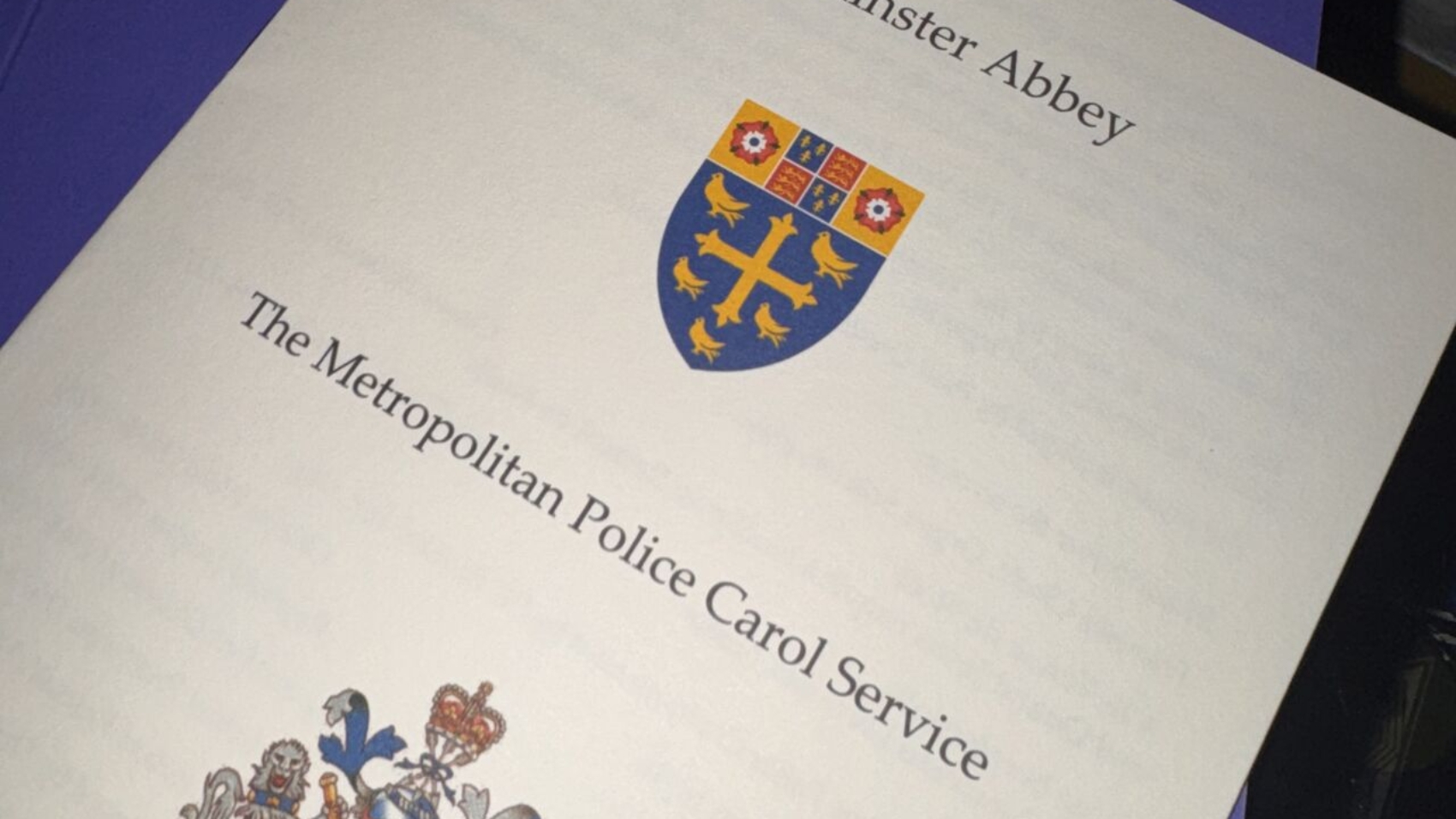
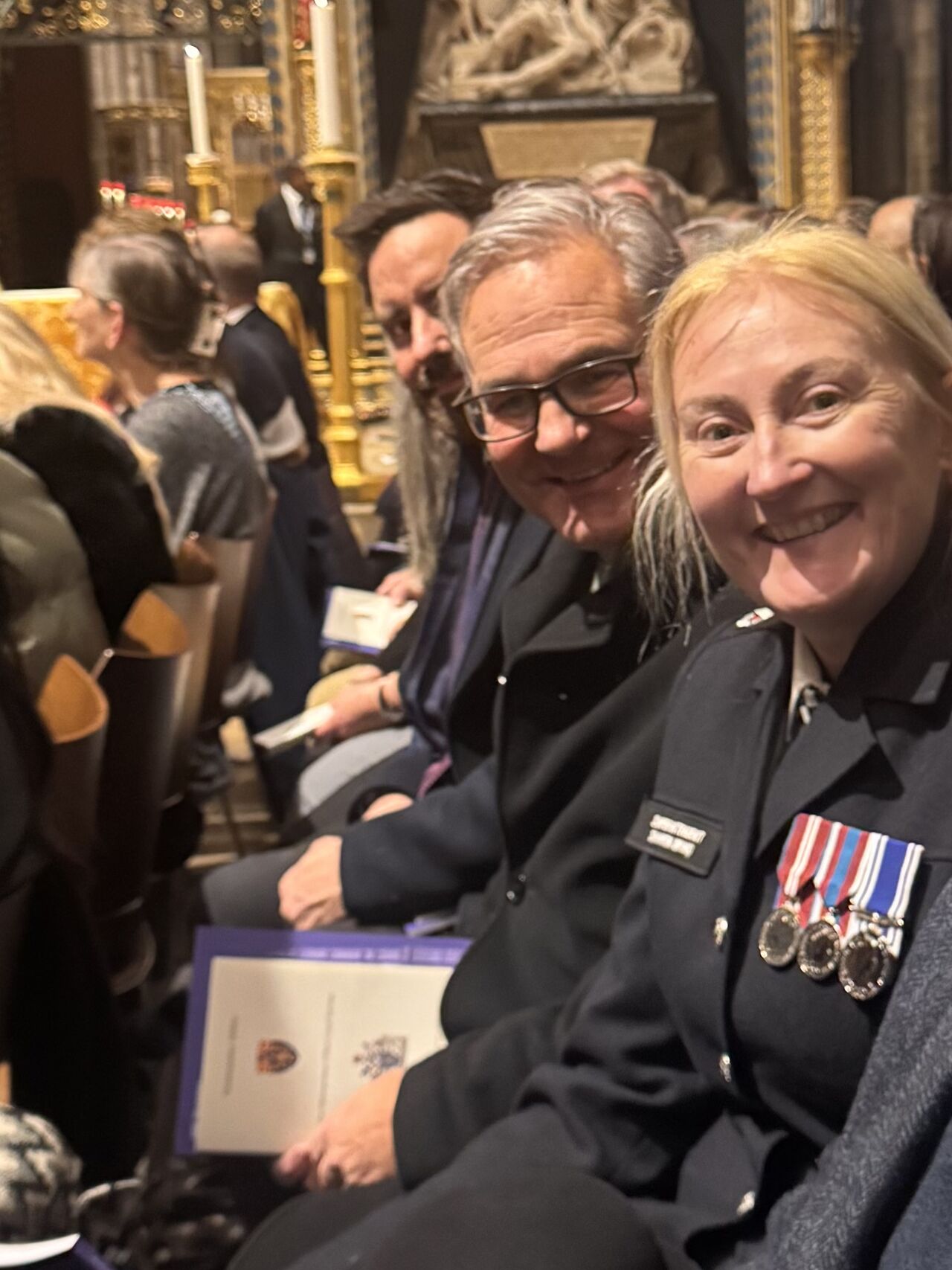
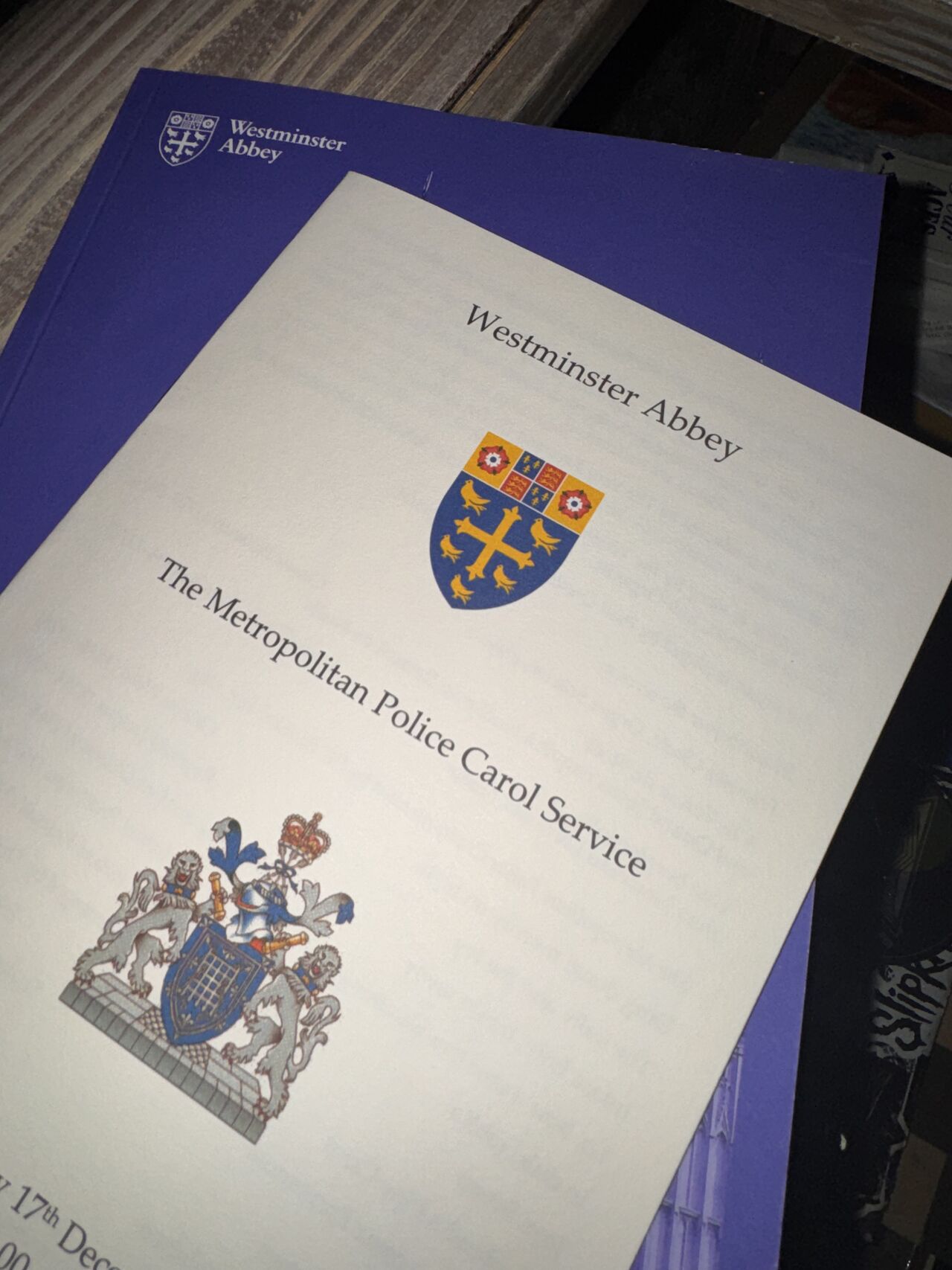
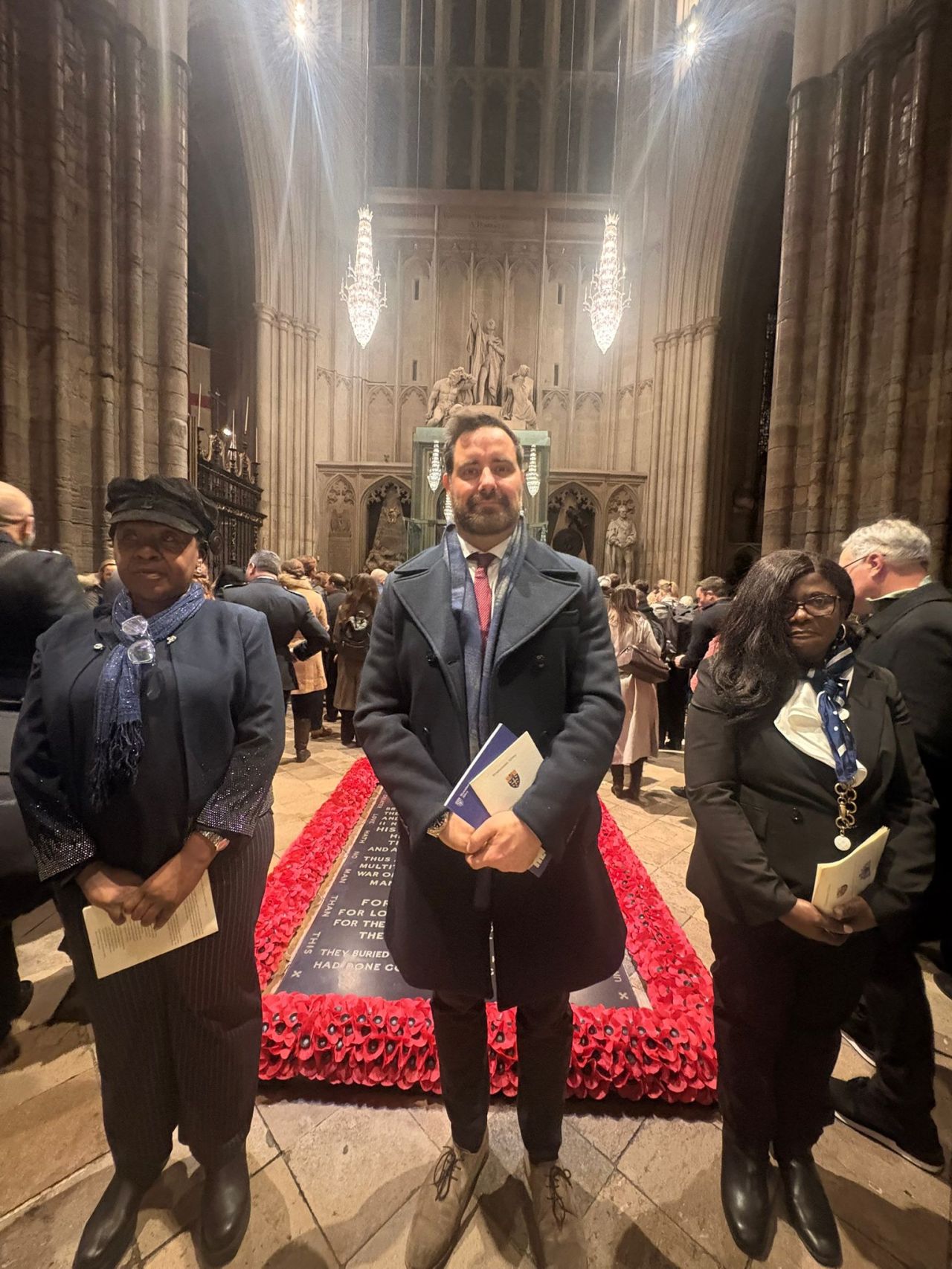
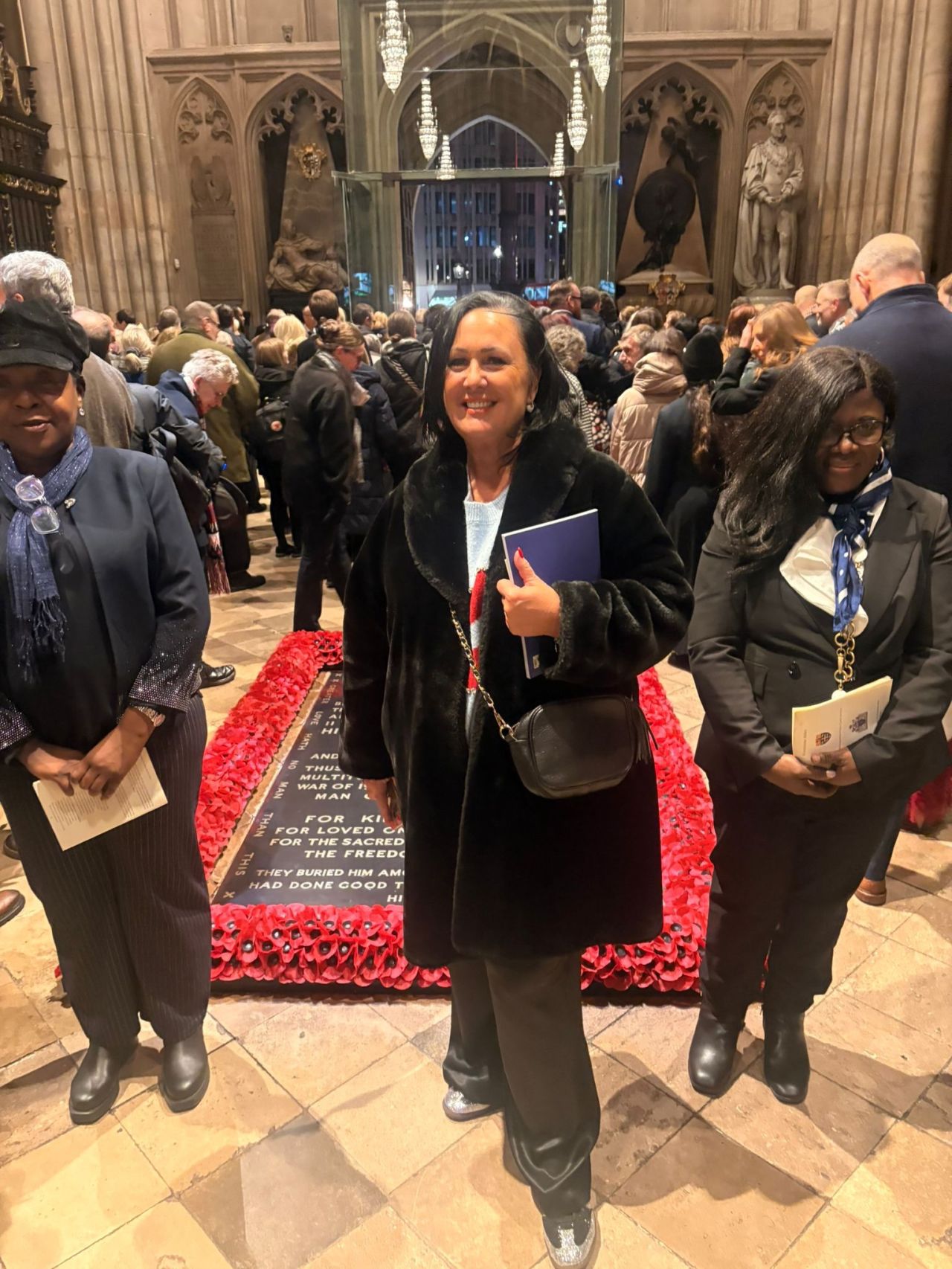
Last night, members of the Youth Unity CIC team were honoured to attend the Metropolitan Police Annual Christmas Carol Service at Westminster Abbey, following a kind invitation from our colleagues in the Metropolitan Police.

Set within the incredible surroundings of the Abbey, the evening created a warm and reflective atmosphere, bringing together partners, frontline professionals and community organisations to mark the end of another demanding year of public service. The carols, readings and shared moments of quiet reflection offered a chance to pause, reconnect and recognise the collective effort that goes into keeping our communities safe and supported.

At Youth Unity, partnership working sits at the heart of everything we do. Our collaboration with police, councils, schools and community services allows us to reach young people earlier, provide positive opportunities, and build trusted relationships that support long-term change. Events like this are an important reminder that behind every programme and every intervention are people who care deeply about young people and their futures.

We would like to thank the Metropolitan Police for the invitation and for hosting such a thoughtful and welcoming event. It was a genuinely lovely way to step into the festive season and reflect on the value of working together.

As the year comes to a close, we want to wish all of our partners, young people, families and supporters a peaceful and joyful holiday period, and we look forward to continuing our work together in the new year.

WhatsApp Image 2026-01-15 at 14.06.43

KAILO Session 1

Kailo Small Circle – Session 1: Building Trust and Starting the Journey

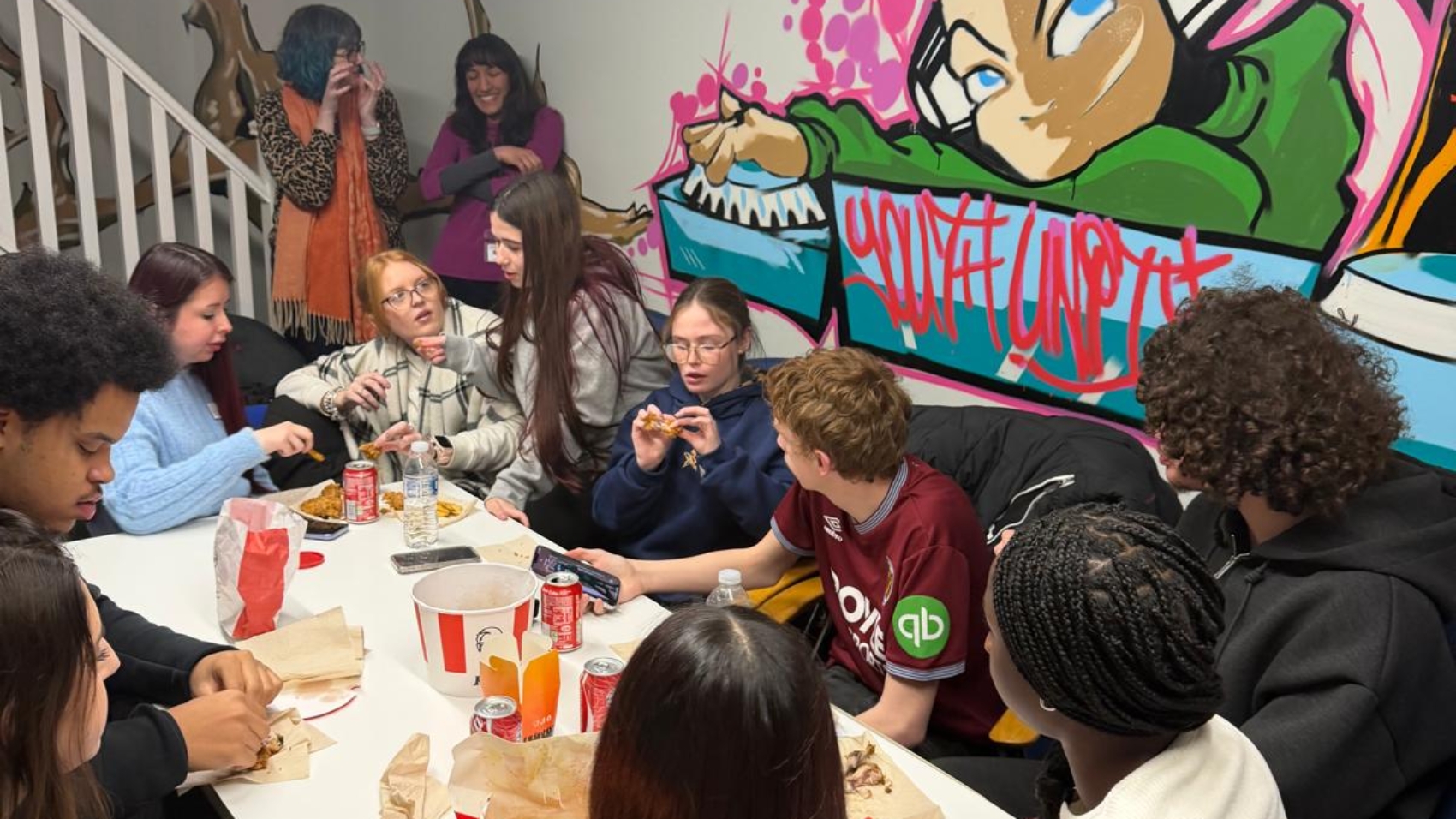
Our first Kailo Small Circle session marked the beginning of an exciting journey, bringing together a group of young people — many of whom had never met before — to start working together on issues that matter to them and their community. From the moment everyone arrived, the atmosphere was positive, welcoming and full of energy, and it was clear very quickly that the group was beginning to gel.

The session focused on forming the group and building trust, helping everyone feel comfortable, respected and ready to take part. Through icebreakers, group discussions and shared activities, young people were encouraged to get to know one another, find common ground and start building relationships. Despite being a brand-new group, there was a strong sense of openness and mutual respect, with young people engaging confidently and supporting each other’s contributions.

A key part of the session was introducing what Kailo is all about and why the group will be working together over the coming months. Young people learned that they will be exploring an “opportunity area” linked to feeling welcomed, valued and connected in their community, and that their experiences and ideas will shape what happens next. The facilitators explained how the Small Circle process gives young people real influence, not just to talk about issues, but to help design solutions that can lead to wider change.

The group also worked together to create their own ways of working agreement, setting out how they want to treat each other, how to keep the space safe, and how everyone can feel confident sharing their views. This was an important moment in giving young people ownership of the space and reinforcing that this is a group built on trust, respect and listening to one another.

To keep the conversation going between sessions, young people were given a creative task called “Visual Voice”, where they were asked to take photos in their local area that show both challenges and positive spaces, helping them reflect on what community and belonging really mean to them. This will feed directly into future sessions as the group begins to explore issues more deeply and map where change could happen.

Overall, Session 1 was a strong and encouraging start. Young people engaged fully, supported one another, and quickly formed connections, setting the tone for the months ahead. We are incredibly proud of how positively the group came together and are excited to continue this journey with them as they move into the next stage of discovery and co-design.

WhatsApp Image 2026-01-14 at 20.49.03

Kings Garden Party 2025

Youth Unity CIC at the King’s Garden Party — A Day We’ll Never Forget

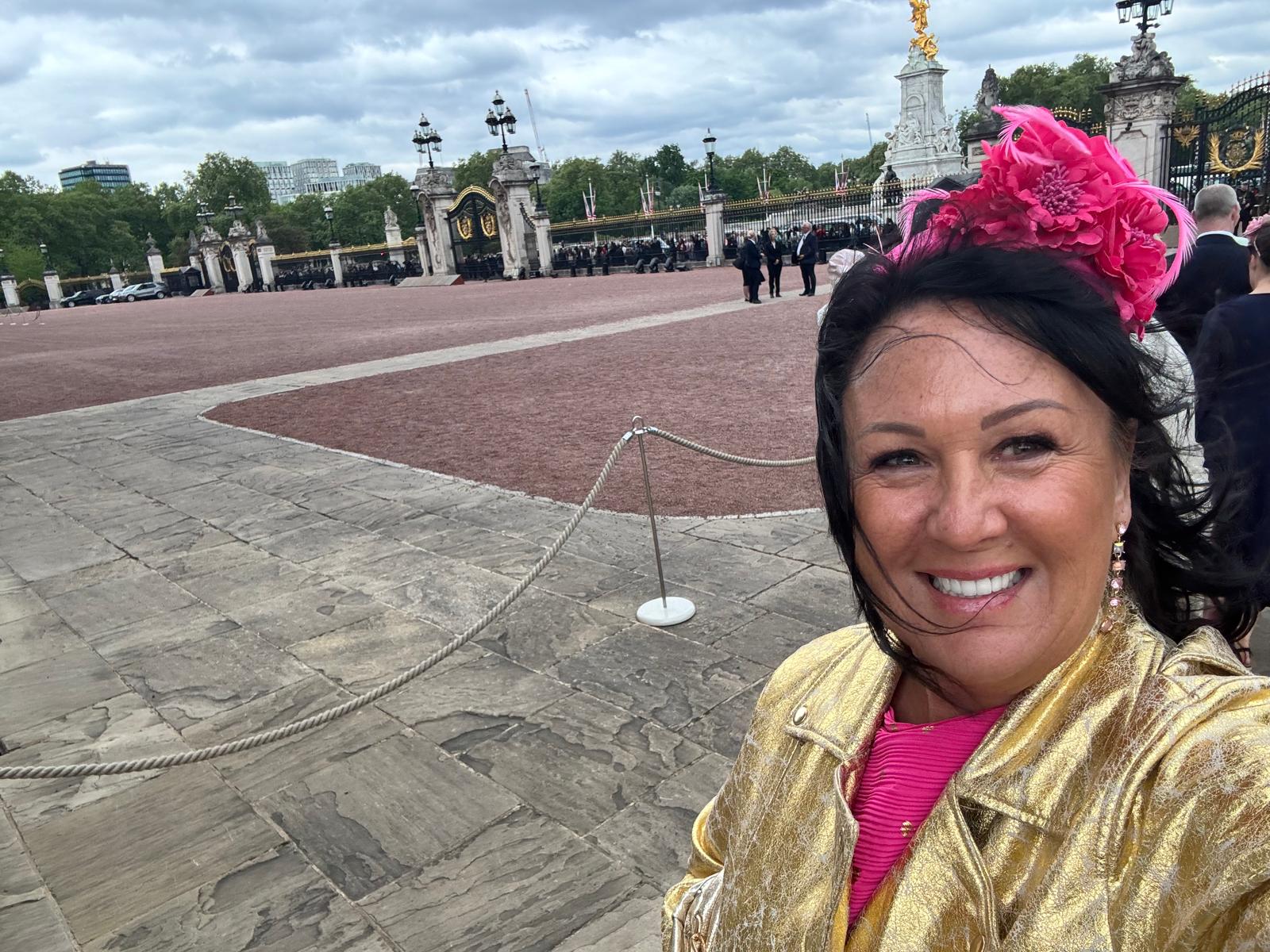
This year, Youth Unity CIC had the incredible honour of being invited to attend the King’s Garden Party at Buckingham Palace, in recognition of the work we do with young people and communities across our local areas.

It was one of those moments where you stop, look around, and think… how did we get here? From community centres, school halls, street-based outreach and youth clubs, to standing in the gardens of the Palace — it was truly a day we will never forget.

We were lucky enough to be given two tickets, which, if we’re honest, felt both amazing and slightly cruel — because if it were up to us, we would have brought the whole Youth Unity team along. But let’s be realistic… the King may have been slightly overwhelmed if our entire staff team, mentors, coaches and youth workers had all turned up together!

One of the highlights of the day was seeing His Majesty the King up close and in person, something neither of us will ever quite get over. It was a powerful reminder that the work happening every day in local communities — often quietly, behind the scenes — really does matter and is being noticed.

For us, this invitation wasn’t just about a special day out. It was about recognition of:

  • the dedication of our frontline staff and volunteers

  • the trust placed in us by young people and families

  • the strength of our partnerships with councils, police, schools and community organisations

  • and the belief that early support, positive opportunities and strong relationships can change lives

We are incredibly grateful to everyone who has supported Youth Unity along the way — from funders and commissioners, to local partners, parents, and most importantly the young people who allow us to walk alongside them in their journeys.

So yes… we had an amazing day, we enjoyed the sunshine, we soaked up the atmosphere, and we came home feeling proud, motivated, and even more committed to continuing the work we do.

And next time, Your Majesty… we’ll try not to bring the whole team. Probably.

WhatsApp Image 2026-04-15 at 14.36.41

Tomiwa Amao
Youth Worker

Tomiwa is a passionate and engaging youth worker with hands-on experience leading and mentoring young people through structured programmes. As an NCS Youth Engagement Leader, he supported groups of 15–17-year-olds to build confidence, develop self-esteem, and achieve personal goals through a mix of activities, discussions, and reflective sessions .

Known for his ability to connect with young people from diverse backgrounds, Tomiwa creates safe, inclusive spaces where young people feel heard, supported, and empowered. He has experience working with young people with additional needs, demonstrating strong emotional intelligence, adaptability, and safeguarding awareness.

With a background in finance and strong organisational skills, Tomiwa brings a reliable and structured approach to youth work, balancing energy and creativity with consistency and care. He is committed to helping young people grow, make positive choices, and reach their full potential.