WhatsApp Image 2026-01-14 at 22.02.17 (1)

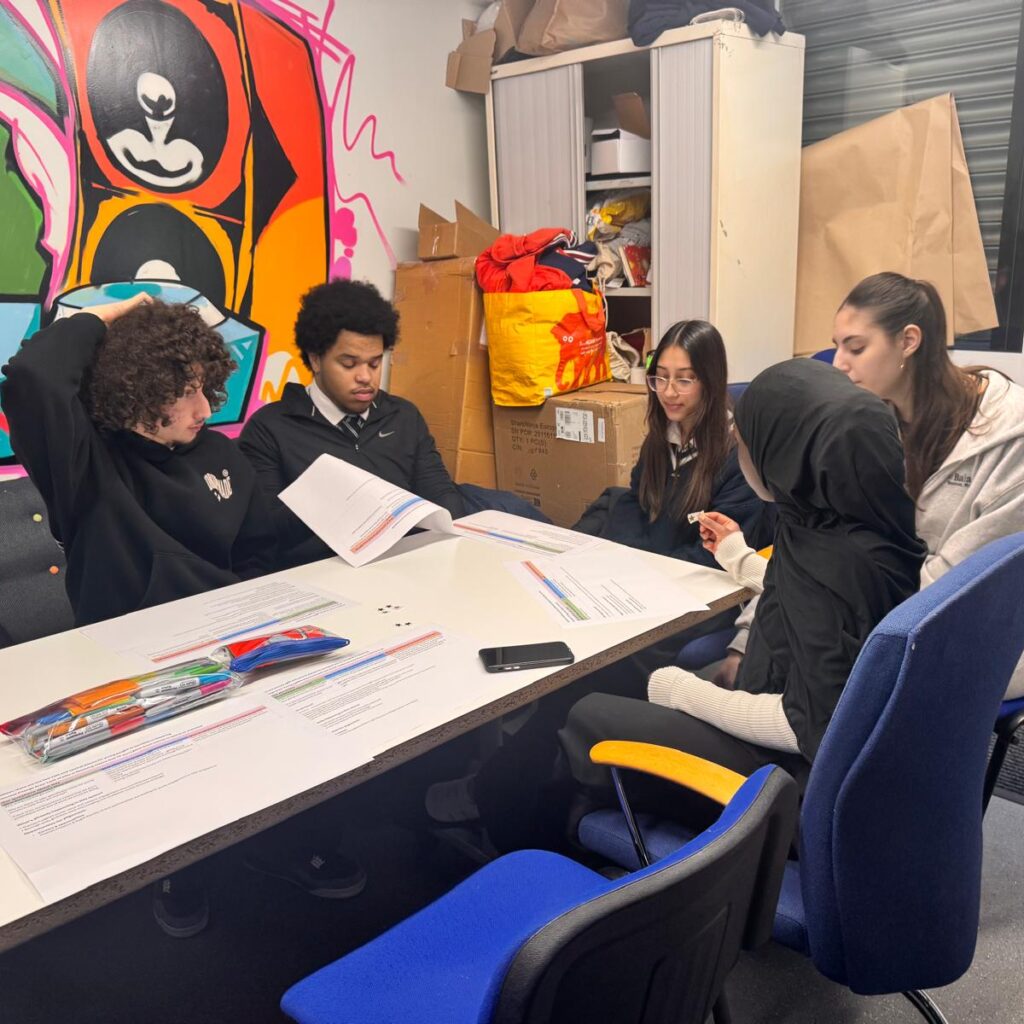
Week 11: Reflecting and Preparing to Test the Idea

Week 11: Reflecting and Preparing to Test the Idea

Where we are now

At this stage, we have moved from generating ideas to developing a clearer picture of how the idea could work in practice.

We now have:

  • A more detailed understanding of the young person’s journey
  • A clearer view of what is needed from schools and businesses
  • A set of prioritised features that form a first version of the idea

This session focuses on stepping back and reflecting on what has been developed so far.

What we’re focusing on

The aim of this session is to:

  • Reflect on the progress made so far
  • Agree how we describe the idea clearly to others
  • Identify which part of the idea we want to focus on for feedback
  • Begin preparing to test the idea with a wider audience

Describing the idea

We will start by reviewing the idea as a whole and thinking about how to explain it simply.

This includes:

  • What the idea is
  • How it works
  • Who it is for
  • What problem it is trying to solve

Young people will work in small groups to:

  • Describe the idea in their own words
  • Identify the strongest part of the idea
  • Consider whether the idea is developed enough to share more widely

Focusing the idea

As the idea has several elements, we will explore whether it is helpful to focus on one key part at this stage.

This helps to:

  • Make testing more manageable
  • Gather clearer feedback
  • Strengthen one part of the idea before expanding further

Young people will consider:

  • Which part of the idea feels most realistic
  • Which part would have the biggest impact
  • Where more feedback is needed

Planning for feedback

The session will then move into thinking about who we need to hear from.

This could include:

  • Other young people
  • Local businesses
  • Schools or colleges
  • Local authority teams

Young people will reflect on:

  • Whose feedback is most important at this stage
  • What we need those groups to tell us
  • How their feedback could improve the idea

Developing questions

In small groups, young people will begin creating survey questions to test the idea.

These questions will focus on:

  • Current experiences (what is working and what is difficult now)
  • Reactions to the idea (what people like or don’t like)
  • Feasibility (what could make it work or not work)
  • Suggestions for improvement

This will help ensure that the feedback we gather is useful and relevant.

What we expect to take from this session

By the end of the session, we aim to have:

  • A clearer and more confident way of describing the idea
  • Agreement on which part of the idea to focus on
  • A list of key groups to gather feedback from
  • A draft set of survey questions

What we’re noticing

As the idea develops, we are beginning to see:

  • The importance of keeping the idea clear and focused
  • The value of testing ideas early, rather than waiting until everything feels complete
  • The role of different perspectives in strengthening the design

There is also growing confidence in the idea itself, alongside an understanding that it will continue to evolve.

Next steps

Following this session, we will:

  • Finalise the survey
  • Share it with identified groups
  • Begin gathering feedback
  • Use responses to refine and improve the idea

This will move the work from development into testing and iteration.
WhatsApp Image 2026-03-19 at 09.44.29 (1)

Week 10: Developing the Idea Further

Week 10: Developing the Idea Further

Where we got to

In this session, we moved from having a strong idea to starting to understand how it would actually work in practice.

The focus was on taking what had been discussed in previous weeks and adding more detail — thinking about what needs to happen, who needs to be involved, and what young people would experience step by step.

What we focused on

We started by recapping the idea that had been developing around improving access to youth employment opportunities.

This includes:

  • Better connections between schools and local businesses
  • More accessible work experience and part-time opportunities
  • Support with practical skills like CV writing and interview preparation

From there, the session focused on developing this idea further through a series of activities.

Mapping how the idea works

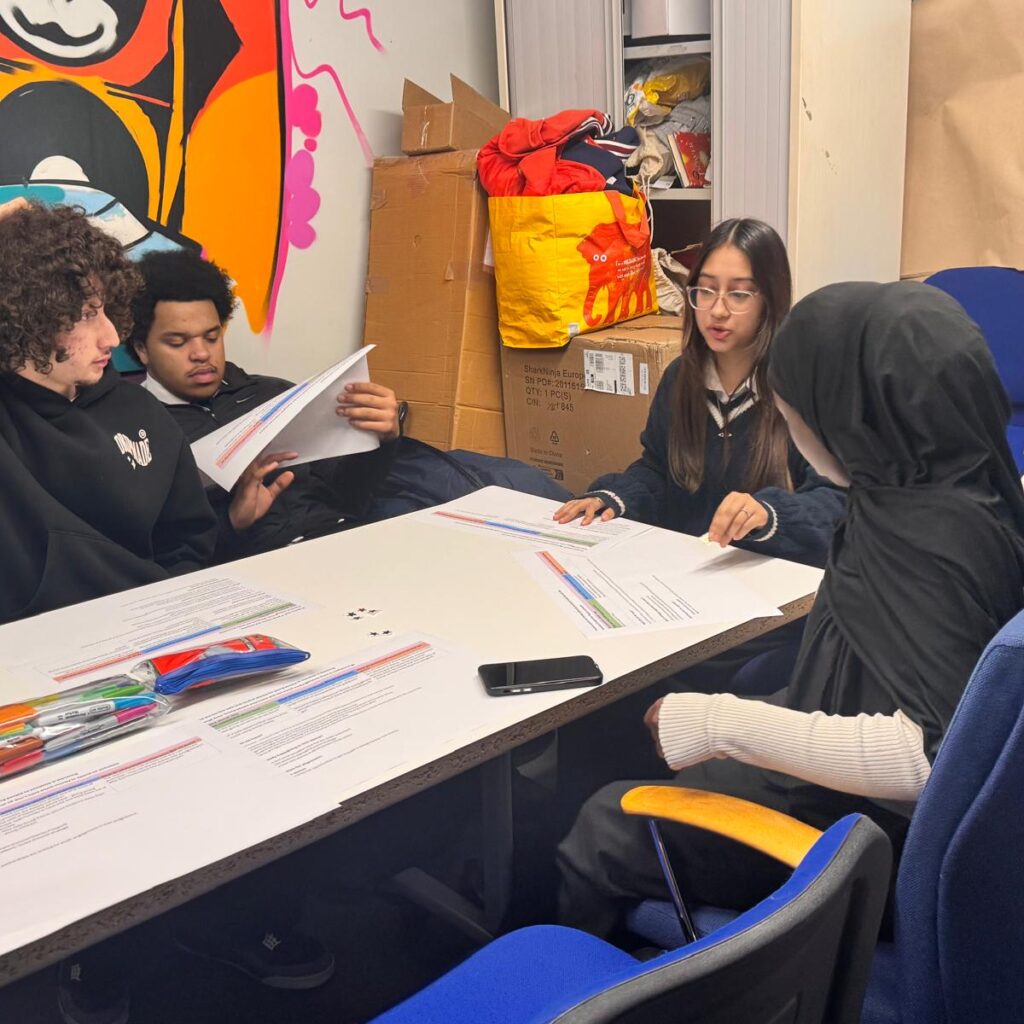
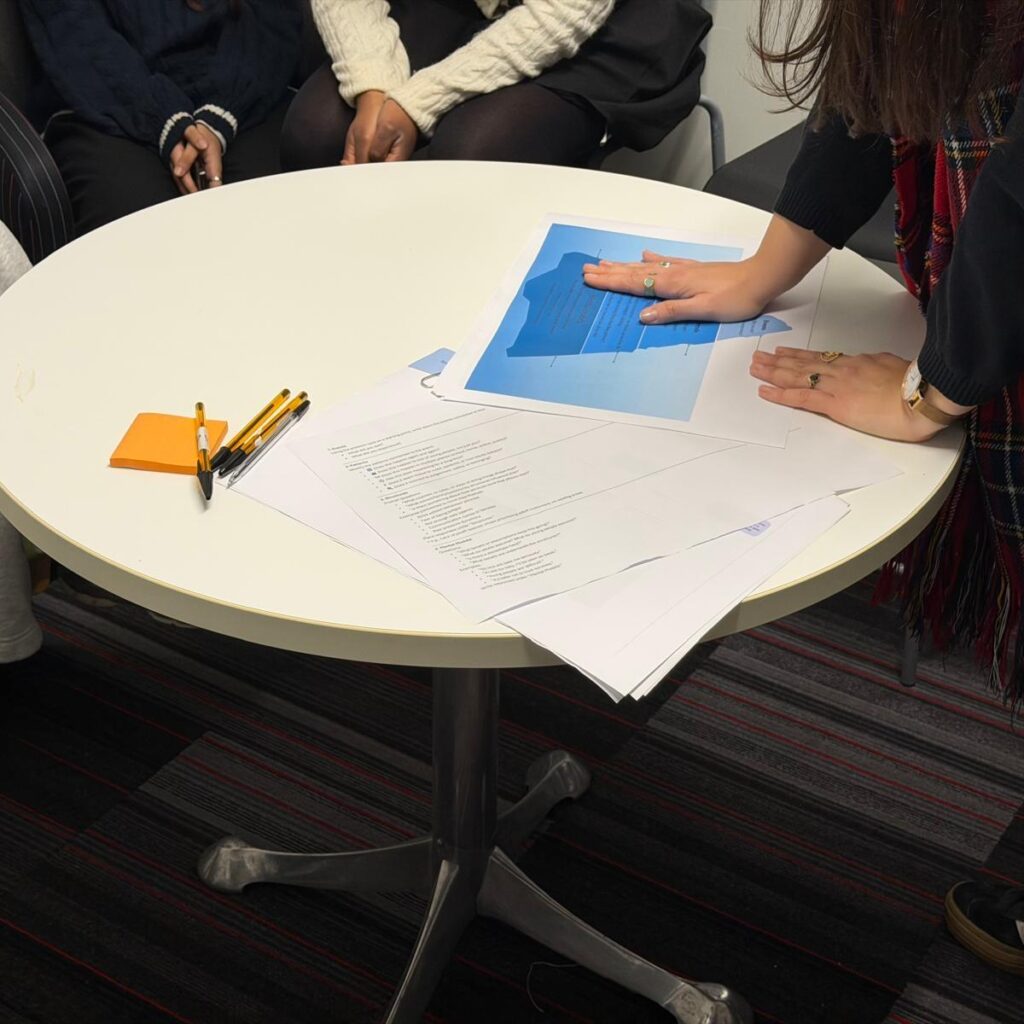
The first activity was a Service Blueprint Lite, where young people mapped out how the idea would work in the real world.

They explored:

  • The journey of a young person from first hearing about the opportunity through to completing a placement
  • What schools would need to do at each stage
  • What would be required from businesses
  • The tools and resources needed to support the process

This helped highlight where things might work well, but also where there could be gaps or challenges .

Identifying what really matters

We then moved into prioritising the different parts of the idea using a MoSCoW approach.

Young people worked through:

  • What the idea must have to function
  • What would be useful but not essential
  • What could be added later

This helped shift the thinking from a broad idea to something more realistic and achievable, particularly when considering real-life constraints such as time, resources, and access .

Bringing the idea to life

The final part of the session focused on storyboarding.

Young people created simple visual journeys showing:

  • How a young person would first come across the opportunity
  • The steps they would take to get involved
  • How they might feel at different stages
  • What support they would need along the way

This helped move the idea from something conceptual to something more tangible, highlighting both the experience and potential barriers.

What we noticed

A few key themes came through during the session:

  • The importance of making opportunities easy to find and access
  • The need for clear communication between young people, schools, and businesses
  • The role of support at key moments, particularly when confidence is low
  • The importance of keeping things simple and realistic, especially for businesses and schools

There was also a strong focus on ensuring that the idea works for young people who may face additional barriers.

What we’re taking forward

By the end of the session, we had:

  • A clearer understanding of how the idea could work in practice
  • A set of prioritised features for a first version
  • Initial storyboards showing the young person’s experience

This gives us a strong foundation to move into the next stage.

Next steps

The next session will focus on stepping back and reflecting on the idea as a whole.

We will:

  • Review what has been developed so far
  • Think about how to clearly describe the idea to others
  • Identify who we want to share it with
  • Develop questions to gather feedback

This will help us test the idea more widely and continue refining it based on real input


WhatsApp Image 2026-01-21 at 20.14.22

Week 9 Developing & Testing Ideas

Week 9 Developing & Testing Ideas

In this session, young people took their ideas further by turning them into clear, practical solutions.

The focus was on understanding how their ideas would actually work in real life and what is needed to make them successful.


What Young People Said

Young people shared that ideas need to be:

  • Easy to understand and use

  • Realistic for schools, businesses, and young people

  • Clear at every step

  • Supported with the right guidance

They also recognised that ideas improve when they are tested and developed over time.


What We Did

Young people worked together to bring their ideas to life by:

  • Mapping out the journey of how a young person would find and use an opportunity

  • Identifying what schools and businesses need to do

  • Thinking about the tools and support required

  • Choosing the most important features to focus on first

  • Creating simple storyboards to show how their idea works step-by-step


Key Themes

  • Keep it simple – Ideas should be easy to use

  • Make it realistic – It needs to work in the real world

  • Think about the journey – Every step should be clear

  • Work together – Everyone has a role to play

  • Test and improve – Ideas get better with feedback


What This Means

Young people moved from ideas to action, thinking about how their solutions could actually be delivered and used.

This helped build confidence, problem-solving skills, and a stronger understanding of how change happens.


What’s Next

The next step is to test these ideas with others, gather feedback, and continue improving them.

WhatsApp Image 2026-03-19 at 09.44.29 (1)

Week 8 – From Ideas to Action

Small Circle 8 – From Ideas to Action

In Week 8, young people moved from exploring challenges to actively developing ideas for change.

Building on previous sessions, the group agreed a clear focus area and began generating a wide range of ideas aimed at addressing issues that matter to them.


What Happened

Young people took part in a series of creative and collaborative activities designed to support idea generation and development.

This included:

  • Rapid idea creation exercises to encourage creativity and remove pressure

  • Small group discussions to share and build on ideas

  • Short presentations to develop confidence and communication

  • Group voting to identify the strongest ideas to take forward

Young people then worked together to shape their ideas further, thinking about:

  • Who the idea is for

  • What problem it solves

  • How it could work in real life


Key Outcomes

  • A shared agreement on the priority area for change

  • A range of youth-led ideas and solutions

  • Shortlisted concepts ready for further development and testing

  • Increased confidence in sharing ideas and working collaboratively


Why This Matters

This session marked an important shift from discussion to action.

Young people were not only identifying issues, but beginning to design practical solutions — developing skills in creativity, teamwork, and problem-solving along the way.


What’s Next

The ideas developed in this session will move into the next stage of the KAILO journey — prototyping and testing, where young people will begin to bring their ideas to life.

Case Study: A Pathway into the Racing Industry

A young girl from Clacton joined the British Racing School through one of Youth Unity’s supported taster weeks. During the programme she quickly stood out, showing enthusiasm, confidence and a natural ability when working with the horses.

Following the 5-day residential experience, she was invited to progress onto the 6-week Stud Staff course, where she continued to excel and develop her skills. Her dedication and commitment led her to take the next step and complete the 18-week training programme at the British Racing School.

She has now successfully progressed through the training pathway and is on track to begin her career within the horse racing industry. Her journey is a powerful example of how providing young people with access to new opportunities and hands-on experiences can open doors to genuine career pathways.

WhatsApp Image 2026-03-04 at 08.46.25 (3)

KAILO Exploring Change Areas

KAILO Session 7 –Exploring Change Areas

As part of the KAILO programme in Havering, young people have been working together to explore the issues that most affect their wellbeing, safety, and experiences within their community. Through a series of workshops, the group has been identifying the areas where they believe real change could make the biggest difference for young people.

Rather than simply discussing problems, the programme encourages young people to look deeper at the systems around them — exploring not only the visible issues but also the patterns, structures, and beliefs that influence them. This approach helps young people move beyond identifying challenges and towards developing meaningful solutions.

During recent sessions, participants reviewed the range of potential change areas they had identified together. Using a structured activity, the group worked through a series of steps to decide which issue should become the main focus of their project. Young people began by voting individually for the areas they felt were most important, ensuring that every voice in the room was heard from the outset.

The most supported ideas were then explored in small groups, where participants discussed key questions including:

  • Why this issue matters for young people
  • Whether meaningful change would be realistic
  • How young people’s voices could help shape solutions

Each group then shared short “lightning pitches,” presenting their thoughts and insights to the wider group. Finally, young people used a scoring system to evaluate each change area based on factors such as impact, feasibility, and the level of energy and motivation within the group to tackle the issue.

This process helped the group move from a broad list of concerns to a clear, shared priority, ensuring that the final decision reflected the perspectives and experiences of the young people involved.

Once the priority change area had been selected, the group began the next stage of the programme: visioning the future. Through creative activities such as vision boards, young people explored what a positive future could look like if meaningful change was achieved. They considered how young people would feel, how systems and services might work differently, and what success would look like for their community.

One of the most powerful aspects of this process has been seeing how the young people have come together as a group, supporting each other’s ideas and recognising that many of their experiences are shared. As the sessions have progressed, participants have grown in confidence, speaking openly about the challenges they face while also contributing thoughtful and creative ideas about how change could happen.

By working collaboratively and using structured tools to guide their thinking, the group is now moving forward with a clear focus and a shared vision for positive change.

The next stage of the programme will involve developing practical ideas and exploring how these visions can begin to translate into real improvements for young people across Havering.

Key Outcomes from the Change Area Process

  • Young people identified and explored multiple issues affecting their wellbeing
  • A structured decision-making process ensured every voice contributed
  • Participants evaluated change areas based on impact, feasibility, and youth influence
  • The group agreed on a shared priority area for change
  • Young people began imagining positive future solutions through visioning activities
WhatsApp Image 2026-03-04 at 08.46.25 (3)

KAILO Session 7 Selecting the Change Area and Visioning the Future

KAILO Session 7 – Selecting the Change Area and Visioning the Future

Session 7 of the KAILO programme marked an important milestone as the group worked together to agree their final priority area for change and began shaping their vision for what a better future could look like for young people. The session began with a review of feedback from the Big Circle, alongside the change areas the group had been exploring during previous sessions. This helped participants reflect on the different issues affecting young people’s wellbeing and consider where their ideas and experiences could have the greatest impact.

To support the decision-making process, the group took part in a structured voting and discussion activity. Young people first voted individually for the change areas they felt were most important. The remaining options were then explored in small groups, where participants discussed key questions around impact, feasibility, and the role of youth voice in shaping solutions.

Each group then presented short “lightning pitches,” explaining why their chosen area mattered and how change might be possible. Through open discussion and a final scoring process, the group collectively agreed on their priority change area, demonstrating strong collaboration and respect for each other’s perspectives.

Following the decision, the session moved into an exciting visioning activity. Working in small teams, young people created vision boards that illustrated what the future could look like if meaningful change was achieved in the chosen area. Using creative materials and discussion, they explored ideas for environments, opportunities, and support systems that would improve wellbeing for young people.

The activity sparked a great deal of energy and creativity within the room. As the young people shared their vision boards, it was clear that the group had begun to come together with a shared purpose, building on each other’s ideas and imagining practical ways that change could happen.

The session concluded with a discussion about next steps, including whether additional voices or external expertise might help strengthen the ideas being developed. Young people were encouraged to continue thinking about how their visions could begin to translate into real solutions before the next session.

This session represented a key turning point in the programme, as the group moved from exploring problems to actively designing the future they want to see for young people in Havering.

WhatsApp Image 2026-01-21 at 20.14.22 (1)

KAILO Session 5

KAILO Session 5 – Identifying Change Areas

During Session 5 of the KAILO programme, young people came together to take an important step forward in shaping the issues they believe need real change within their community.

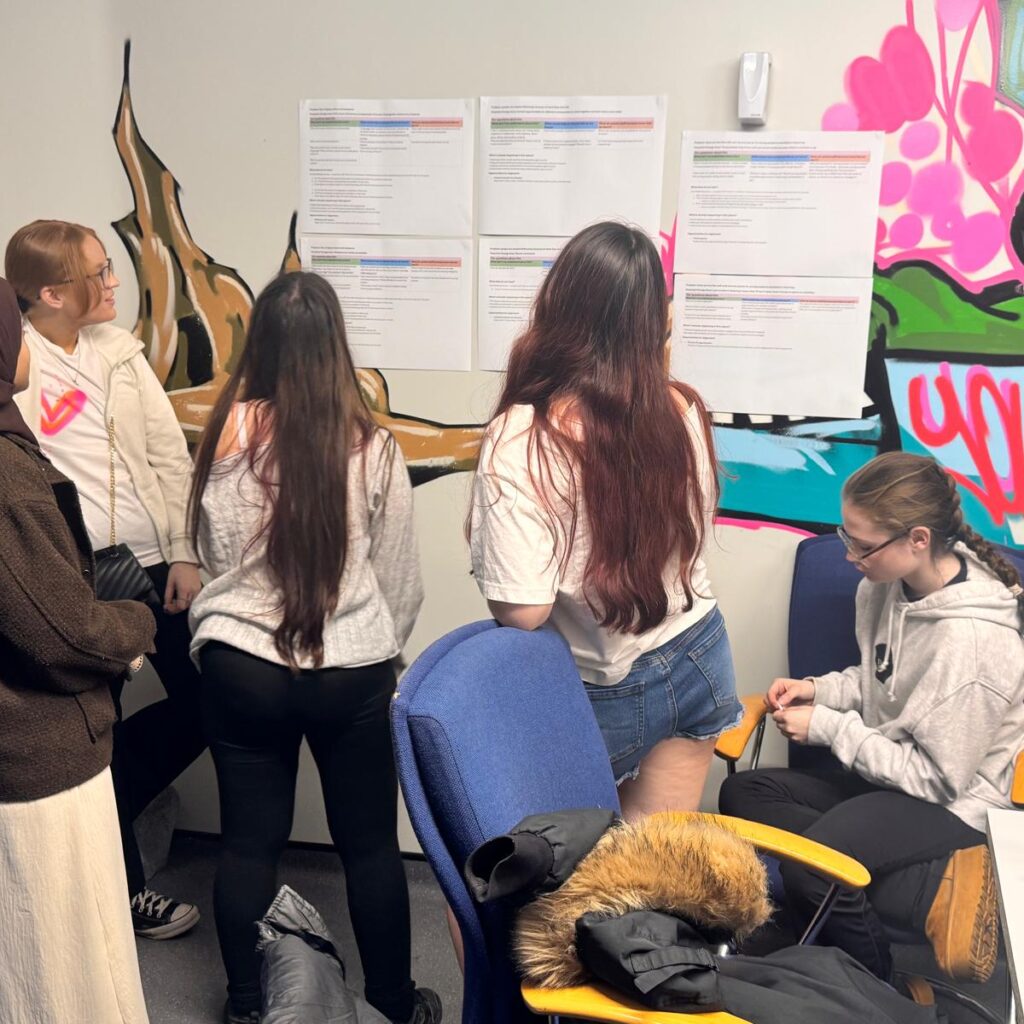
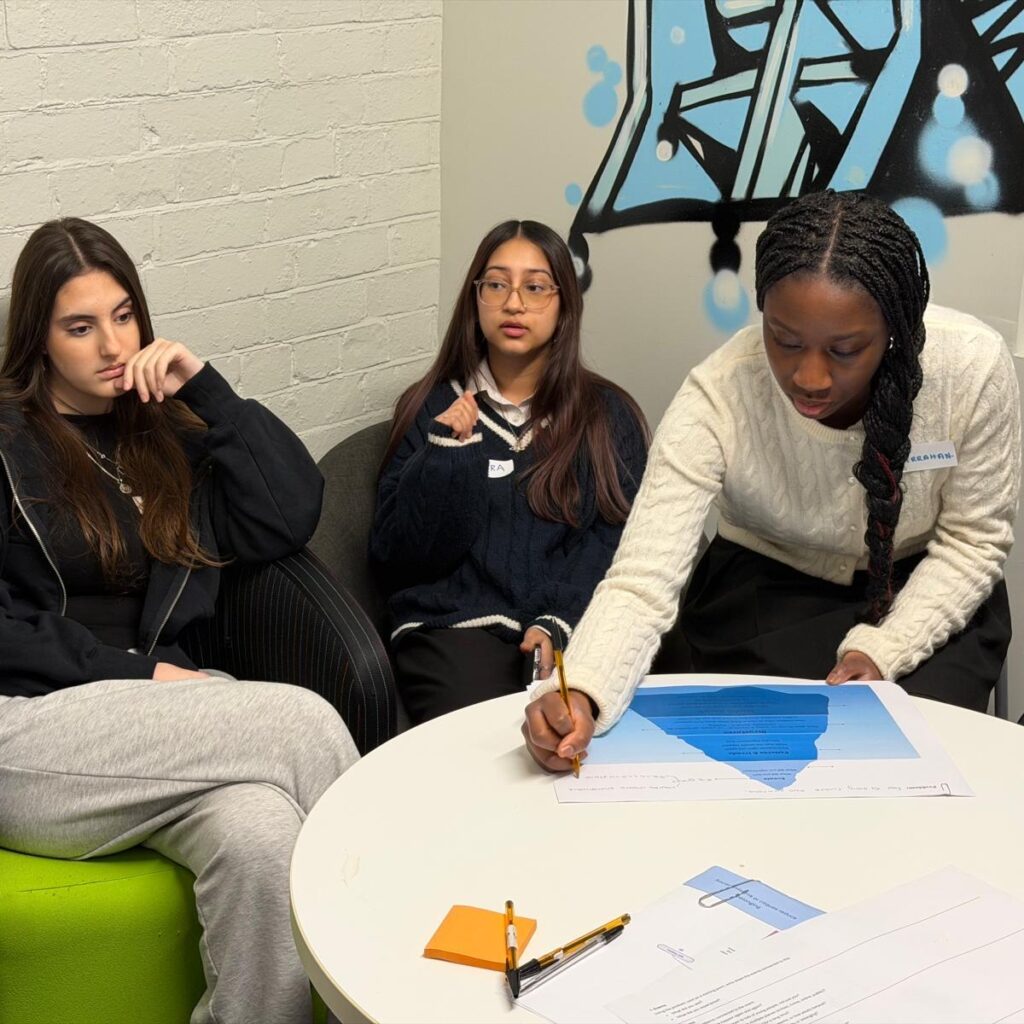
Building on the discussions from previous sessions, the group reviewed the different “system icebergs” they had created. These helped them explore not just the visible problems affecting young people’s wellbeing, but also the deeper patterns, structures, and beliefs that sit underneath them. Working in small groups, participants carefully discussed and prioritised the issues they felt had the greatest impact on young people’s mental health and wellbeing.

Using a simple but powerful voting activity, young people placed stars on the issues they believed mattered most. This sparked thoughtful conversations as they debated where meaningful change could happen and what problems should be tackled first.

The session then moved into identifying “pressure points” – areas where small changes could potentially create a much bigger positive impact. Young people explored different aspects of the system, including repeated events, patterns of behaviour, rules and structures, and the beliefs that influence how young people are treated or supported.

One of the most encouraging aspects of the session was seeing how the group worked collaboratively and respectfully, listening to each other’s experiences and perspectives. As the discussion progressed, it became clear that the young people were coming together with a shared sense of purpose, recognising that many of their experiences were connected and that their voices could help influence change.

By the end of the session, the group had successfully shortlisted several potential change areas that they believe could make a real difference. They also developed a series of important questions to help them explore these issues further and decide which area should become their main focus moving forward.

The session ended with a reflective discussion about what information they still need, what adults and services might know that young people don’t, and how young people themselves can play a leading role in shaping solutions.

As the programme continues, these insights will help guide the next stage of the work, where the group will share their thinking with a wider audience and continue developing ideas that could lead to real improvements for young people in Havering.

WhatsApp Image 2026-02-02 at 20.14.11

KAILO Session 4

Small Circle Session 4: Mapping the System Part 2

Date: 28 January 2026
Time: 4:30pm – 7:00pm
Location: Youth Unity / Kailo session space

Session focus

In Session 4, the group continued their system-mapping work, building on the 5 Whys and root-cause analysis from the previous week. The aim was to move beyond individual experiences and explore the patterns, structures and beliefs that sit underneath the issues young people face — particularly around belonging, safety and opportunity.

This session used the Systems Iceberg model to help young people understand how visible events are shaped by deeper, often hidden, factors.


What we set out to do

The aims of this session were to:

  • Help young people see how the issues they identified link to wider systems

  • Explore patterns and structures that repeatedly affect their lives

  • Deepen earlier discussions rather than rushing to solutions

  • Ensure no important issues were missed from the group’s mind-mapping work

By slowing the process down, the group were encouraged to think critically about why challenges keep happening — not just what happens.


Check-in and reflection

We began with a simple one-word check-in, giving each young person space to reflect on how they were arriving that day. This helped ground the group and acknowledge that everyone brings different experiences into the room.

The group then revisited photographs they had shared previously, using them as prompts to discuss:

  • Why they chose that image

  • Whether it represented something positive or something that needs to change

  • How it connected to the issues on the shared maps

This discussion helped bridge personal experience with collective understanding.


Building on last week’s work

Young people revisited the mind maps, problem statements and icebergs created in Session 3. Individually, they reflected on which issue they felt most strongly about and whether it had already been explored in depth.

They were invited to:

  • Add to existing icebergs where deeper discussion was needed

  • Identify new issues that hadn’t yet been examined

  • Use post-its to capture thoughts without pressure to speak immediately

This approach ensured quieter voices were included and gave the group ownership over what was prioritised.


Mapping the system: going deeper

Facilitators introduced the idea that most of what we see is only the “tip of the iceberg.” Beneath visible events sit recurring patterns, structural issues and shared beliefs that keep problems in place.

Working in small groups, young people:

  • Created new system icebergs from problem statements

  • Added deeper layers to existing icebergs

  • Used prompt questions to explore structures and mindsets shaping their experiences

Groups were split across different spaces, allowing focused discussion while keeping the energy manageable.


Sharing and connecting the dots

After a break, the group came back together to share their icebergs. As they listened to each other, young people began to notice strong overlaps:

  • Repeated structural barriers appearing across different issues

  • Similar beliefs and assumptions shaping multiple challenges

  • Connections between school, community, services and wider society

The group were asked a key question:
“If you could shift one thing in this system to make the biggest difference, what would it be?”

This helped move thinking from description towards insight — without jumping prematurely to solutions.


Reflections and next steps

The session closed with a collective reflection on what had emerged and what it means for the next phase of the Kailo project. Young people recognised that many challenges they face are not individual failings, but the result of systems that were not designed with them in mind.

The insights from this session will directly inform:

  • The project’s emerging themes

  • Youth-led recommendations

  • Future sessions focused on change, influence and action


Why this matters

Session 4 marked an important turning point — shifting from naming problems to understanding systems. This deeper analysis is essential to ensuring that the voices of young people lead to meaningful, informed change rather than surface-level responses.

WhatsApp Image 2026-01-21 at 20.14.22

KAILO Session 3

Small Circle Session 3: Mapping the System & Finding Root Causes

Date: 21 January 2026
Time: 4:30pm – 7:00pm

In Session 3 of the Small Circles programme, young people took a big step forward in understanding the challenges in their community by moving from identifying themes to exploring the systems and root causes behind them.

Building on the mind maps created in the previous session, the focus this week was on asking deeper questions about why issues exist — not to place blame, but to better understand what is really going on beneath the surface.

🤝 Creating a Safe and Supportive Space

The session began with a warm welcome, sign-in and name badges, followed by a recap of the group’s Ways of Working and agreements to make sure everyone felt safe, respected and able to share their views.

To help everyone relax and connect, young people took part in a fun icebreaker — Human Bingo — which got conversations flowing and helped build confidence before moving into more in-depth discussions.

🧠 What’s Really Going On? Digging Deeper into the Issues

Young people were invited to revisit the large mind map created in Session 2 and reflect on whether there were any issues or experiences that had not yet been fully explored. This helped ensure that all voices were heard and that the group’s priorities were shaping the discussion.

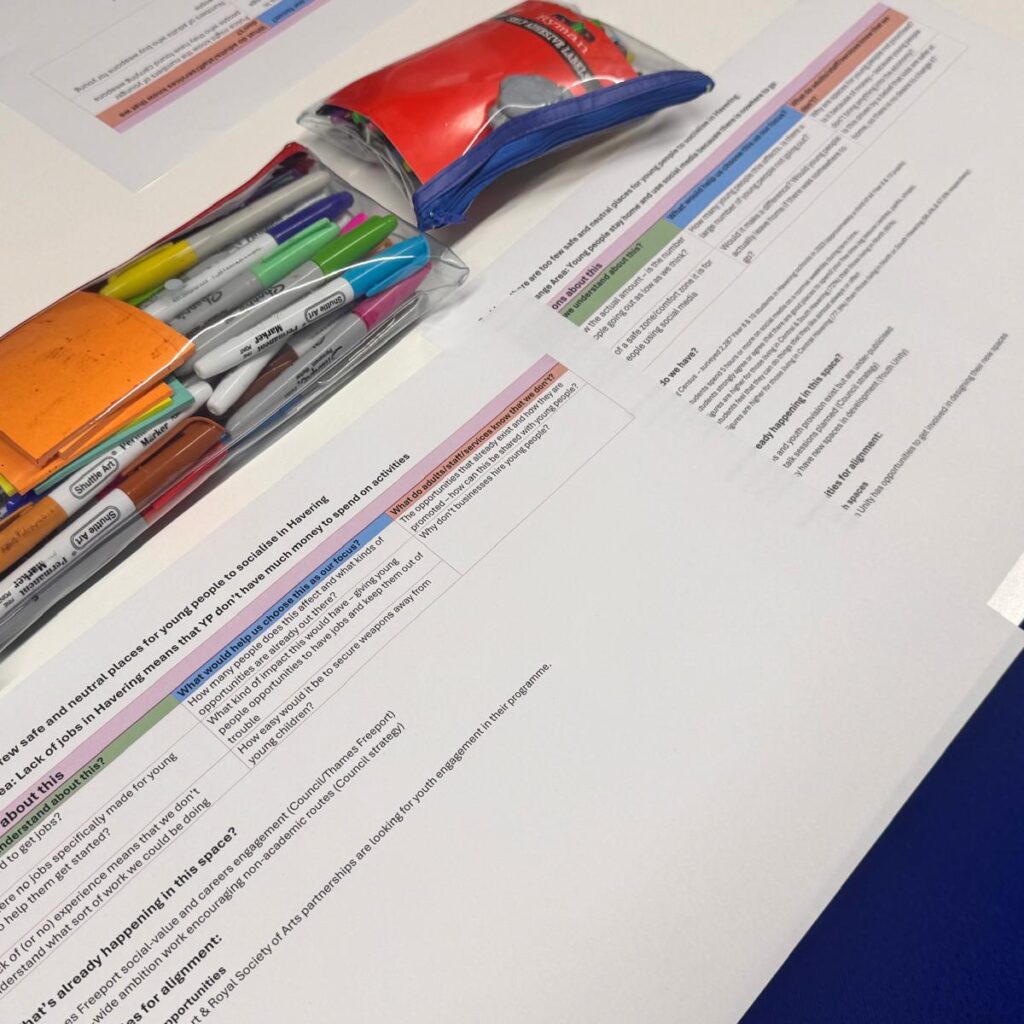
From there, participants worked in small groups using the “5 Whys” root cause analysis tool, which encourages people to ask “Why is this happening?” multiple times to move beyond surface-level problems and identify deeper influences.

For example, instead of stopping at “I missed the bus,” young people explored what led up to that moment — such as stress, lack of sleep, or pressures from school — helping them see how different factors are often connected.

🔍 From Symptoms to Systems

Each group chose specific challenges from the mind map and worked through several layers of “why,” supported by facilitator prompts such as:

  • Is this a cause or another symptom?
  • What makes this hard to change?
  • What else might be influencing this?

This process helped young people recognise that many problems are shaped by wider systems — including education, mental health, family pressures and access to support — rather than being down to individual choices alone.

After a break for food, groups continued their deep-dive discussions, with some swapping worksheets to add fresh perspectives to each other’s reflections.

Identifying the Strongest Root Causes

Towards the end of the session, young people reviewed their worksheets and starred the strongest root causes they had identified. In a whole-group discussion, they shared what stood out to them and what patterns they were beginning to notice across different themes.

This reflection helped young people start thinking about which issues might be possible to influence or change — setting the stage for the next session, where the group will explore these root causes in even more depth.

🚀 What’s Next?

Session 3 was a powerful step in helping young people see how individual experiences connect to wider systems, and how understanding root causes is essential before meaningful solutions can be designed.

In the next session, the group will continue this journey by digging deeper into the root causes they have identified and exploring what change could realistically look like in their community.


WhatsApp Image 2026-01-14 at 22.02.17

KAILO Session 2

Kailo Small Circle – Session 2: Exploring Community and Belonging

Our second Kailo Small Circle session built on the strong foundations of week one, with young people arriving more confident, comfortable and ready to share their experiences. The focus of this session was to develop a **deeper understanding of the “opportunity area” — what community and belonging really mean to young people — and to begin exploring the different factors that shape how connected and safe they feel in their local area.

The session began with an interactive icebreaker that helped highlight both shared experiences and individual differences within the group. This naturally led into reflective conversations about identity, feeling included, and times when young people may feel anxious, isolated or treated differently because of their age, background or circumstances. These discussions created a safe space where young people could speak honestly and listen to one another with empathy and respect.

Young people then shared their “Visual Voice” work — photos they had taken in their local area showing places they enjoy, places they avoid, and things that influence how connected they feel to their community. These images sparked powerful conversations about the importance of having safe spaces to socialise, the role of sport and shared activities in building friendships, and how simple everyday interactions can help people feel part of something bigger. As one young person shared, being out with friends and playing football “brings us together, helps us make new friends, helps us socialise and communicate a lot more,” while another reflected that even saying hello to people in the neighbourhood can help them feel more involved in the community.

However, young people also spoke openly about barriers to feeling connected. Some shared that public spaces can feel unsafe, particularly when groups are hanging around, while others described how people can feel isolated, with “everyone kind of in their own world,” making it harder to build relationships. These honest insights helped the group recognise that belonging is influenced by many connected factors — not just individual choices, but environments, social attitudes and access to positive spaces.

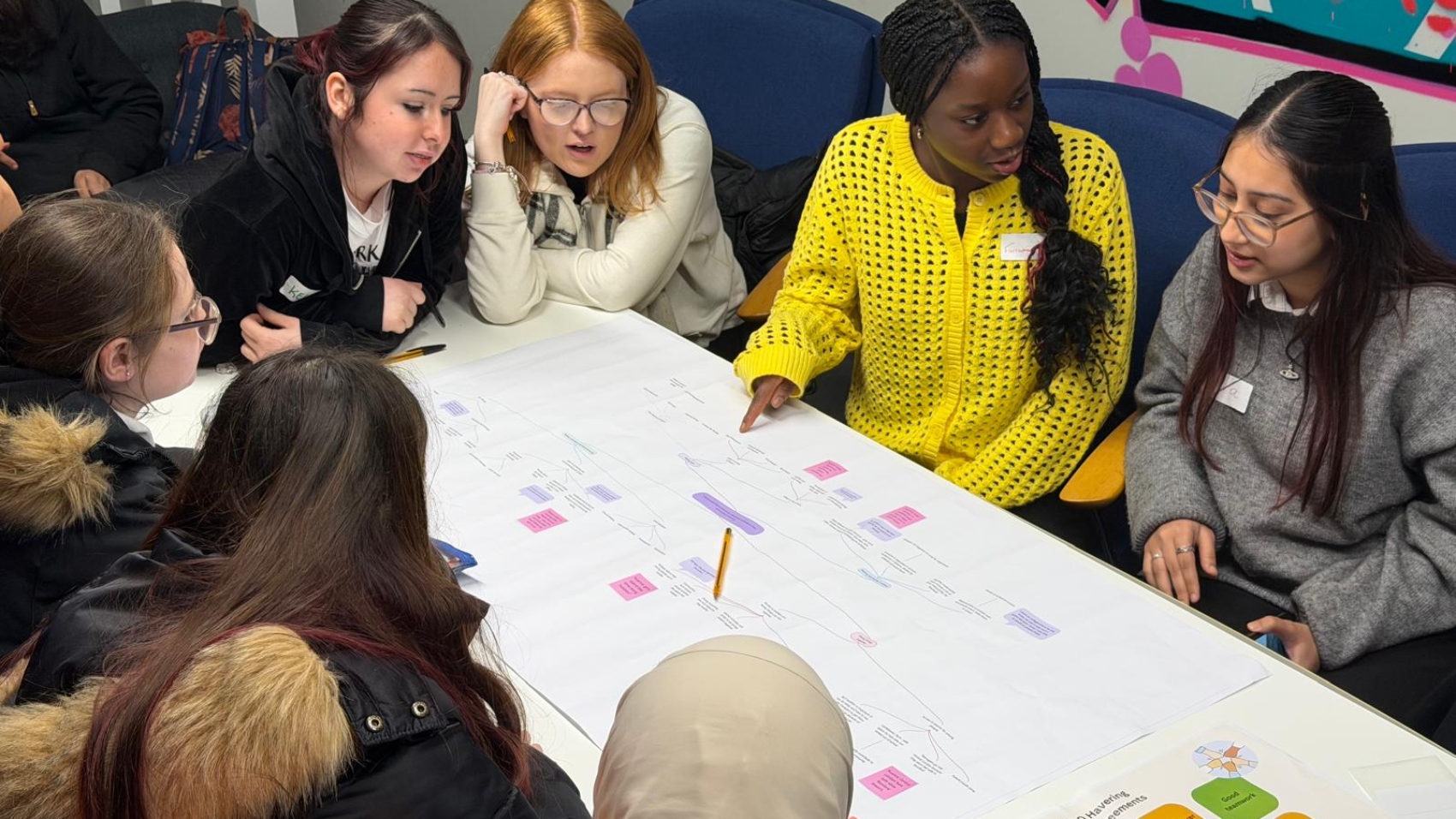
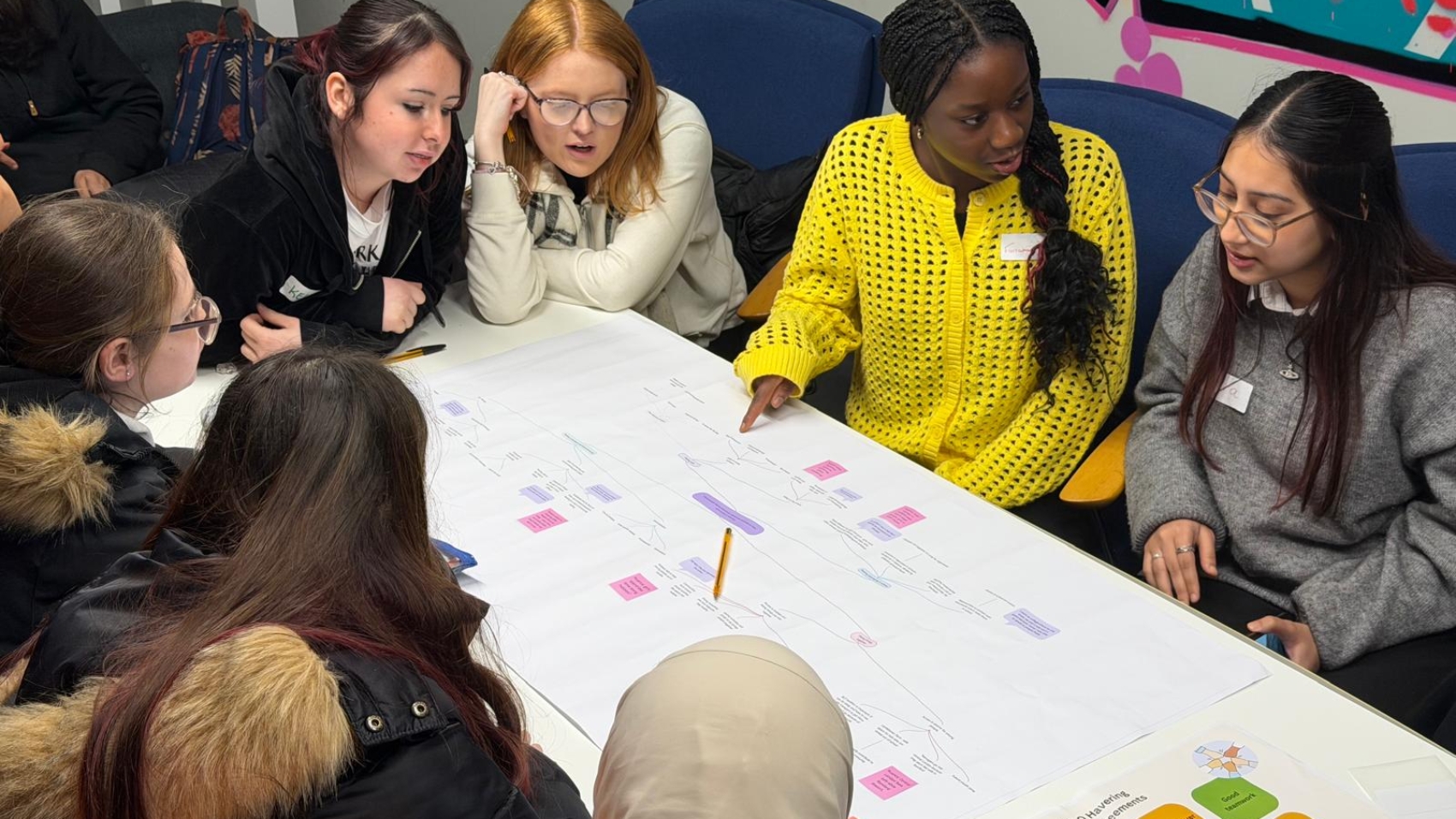
In small groups, young people then began mapping the system around community and belonging, using mind maps to explore how different issues link together — such as lack of youth spaces, discrimination, social media, safety, and opportunities to mix with others. By drawing connections between these factors, the group started to see how challenges are often part of a wider system, and where change could potentially make the biggest difference.

The session ended with groups sharing their maps and reflecting on patterns that were starting to emerge, including which issues were mentioned most often and which felt most important to tackle. This collective reflection is a crucial step in the Kailo process, helping young people move from sharing experiences to identifying where they want to focus their energy and ideas for change.

Session 2 marked an important shift from getting to know each other, to working together as a team to understand the bigger picture. The depth of discussion, honesty and respect shown by the group was inspiring, and it is clear that young people are already thinking critically about their community and their role in shaping it. We are excited to see how these conversations continue to develop as the group moves into the next stage of system mapping and identifying change areas.