WhatsApp Image 2026-01-14 at 22.02.17 (1)

Week 11: Reflecting and Preparing to Test the Idea

Week 11: Reflecting and Preparing to Test the Idea

Where we are now

At this stage, we have moved from generating ideas to developing a clearer picture of how the idea could work in practice.

We now have:

  • A more detailed understanding of the young person’s journey
  • A clearer view of what is needed from schools and businesses
  • A set of prioritised features that form a first version of the idea

This session focuses on stepping back and reflecting on what has been developed so far.

What we’re focusing on

The aim of this session is to:

  • Reflect on the progress made so far
  • Agree how we describe the idea clearly to others
  • Identify which part of the idea we want to focus on for feedback
  • Begin preparing to test the idea with a wider audience

Describing the idea

We will start by reviewing the idea as a whole and thinking about how to explain it simply.

This includes:

  • What the idea is
  • How it works
  • Who it is for
  • What problem it is trying to solve

Young people will work in small groups to:

  • Describe the idea in their own words
  • Identify the strongest part of the idea
  • Consider whether the idea is developed enough to share more widely

Focusing the idea

As the idea has several elements, we will explore whether it is helpful to focus on one key part at this stage.

This helps to:

  • Make testing more manageable
  • Gather clearer feedback
  • Strengthen one part of the idea before expanding further

Young people will consider:

  • Which part of the idea feels most realistic
  • Which part would have the biggest impact
  • Where more feedback is needed

Planning for feedback

The session will then move into thinking about who we need to hear from.

This could include:

  • Other young people
  • Local businesses
  • Schools or colleges
  • Local authority teams

Young people will reflect on:

  • Whose feedback is most important at this stage
  • What we need those groups to tell us
  • How their feedback could improve the idea

Developing questions

In small groups, young people will begin creating survey questions to test the idea.

These questions will focus on:

  • Current experiences (what is working and what is difficult now)
  • Reactions to the idea (what people like or don’t like)
  • Feasibility (what could make it work or not work)
  • Suggestions for improvement

This will help ensure that the feedback we gather is useful and relevant.

What we expect to take from this session

By the end of the session, we aim to have:

  • A clearer and more confident way of describing the idea
  • Agreement on which part of the idea to focus on
  • A list of key groups to gather feedback from
  • A draft set of survey questions

What we’re noticing

As the idea develops, we are beginning to see:

  • The importance of keeping the idea clear and focused
  • The value of testing ideas early, rather than waiting until everything feels complete
  • The role of different perspectives in strengthening the design

There is also growing confidence in the idea itself, alongside an understanding that it will continue to evolve.

Next steps

Following this session, we will:

  • Finalise the survey
  • Share it with identified groups
  • Begin gathering feedback
  • Use responses to refine and improve the idea

This will move the work from development into testing and iteration.

WhatsApp Image 2026-03-19 at 09.44.29 (1)

Week 10: Developing the Idea Further

Week 10: Developing the Idea Further

Where we got to

In this session, we moved from having a strong idea to starting to understand how it would actually work in practice.

The focus was on taking what had been discussed in previous weeks and adding more detail — thinking about what needs to happen, who needs to be involved, and what young people would experience step by step.

What we focused on

We started by recapping the idea that had been developing around improving access to youth employment opportunities.

This includes:

  • Better connections between schools and local businesses
  • More accessible work experience and part-time opportunities
  • Support with practical skills like CV writing and interview preparation

From there, the session focused on developing this idea further through a series of activities.

Mapping how the idea works

The first activity was a Service Blueprint Lite, where young people mapped out how the idea would work in the real world.

They explored:

  • The journey of a young person from first hearing about the opportunity through to completing a placement
  • What schools would need to do at each stage
  • What would be required from businesses
  • The tools and resources needed to support the process

This helped highlight where things might work well, but also where there could be gaps or challenges .

Identifying what really matters

We then moved into prioritising the different parts of the idea using a MoSCoW approach.

Young people worked through:

  • What the idea must have to function
  • What would be useful but not essential
  • What could be added later

This helped shift the thinking from a broad idea to something more realistic and achievable, particularly when considering real-life constraints such as time, resources, and access .

Bringing the idea to life

The final part of the session focused on storyboarding.

Young people created simple visual journeys showing:

  • How a young person would first come across the opportunity
  • The steps they would take to get involved
  • How they might feel at different stages
  • What support they would need along the way

This helped move the idea from something conceptual to something more tangible, highlighting both the experience and potential barriers.

What we noticed

A few key themes came through during the session:

  • The importance of making opportunities easy to find and access
  • The need for clear communication between young people, schools, and businesses
  • The role of support at key moments, particularly when confidence is low
  • The importance of keeping things simple and realistic, especially for businesses and schools

There was also a strong focus on ensuring that the idea works for young people who may face additional barriers.

What we’re taking forward

By the end of the session, we had:

  • A clearer understanding of how the idea could work in practice
  • A set of prioritised features for a first version
  • Initial storyboards showing the young person’s experience

This gives us a strong foundation to move into the next stage.

Next steps

The next session will focus on stepping back and reflecting on the idea as a whole.

We will:

  • Review what has been developed so far
  • Think about how to clearly describe the idea to others
  • Identify who we want to share it with
  • Develop questions to gather feedback

This will help us test the idea more widely and continue refining it based on real input


IMG_4598

Soft Launch, The Battis

Soft Launch of The Battis Youth Space

Introduction

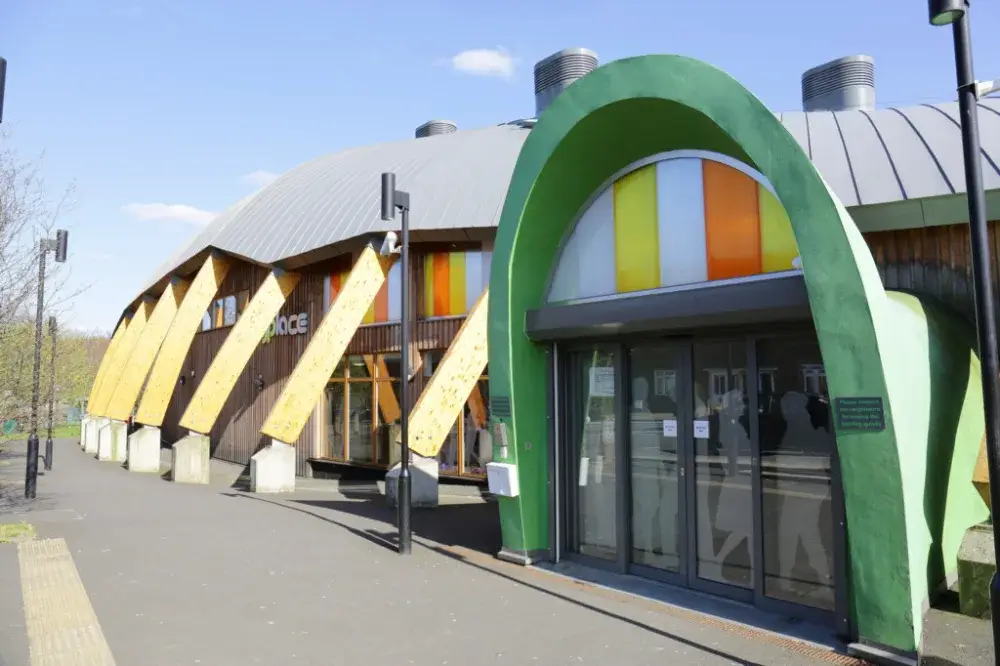
The Battis Youth Hub in Romford represents a powerful example of what can be achieved through partnership, persistence, and a clear vision for young people.

What began as a simple idea to create a safe, welcoming space for young people has evolved into a youth hub that will work to support engagement, mentoring, and positive activities during the most critical hours after school.

The Origin Story

Youth Unity’s journey at The Battis began through our involvement in the MyEnds programme with Havering Council, where we were initially given access to the indoor hub space as part of a wider consortium approach.

However, over time, Youth Unity became the primary organisation consistently activating and developing the space, transforming it into a trusted and recognised base for young people.

Around 18 months ago, Shirley Jackson, Youth Unity Director, identified an opportunity that others had overlooked, the unused side area of the former ATIK nightclub (previously a smoking area).

At the time, the space was far from usable. It had become overrun with rubbish, with waste regularly thrown into the area, making it unpleasant and unwelcoming. The inside was heavily overgrown, neglected, and largely dismissed as unusable.

Where others saw a neglected space, she saw potential.

Recognising its possibilities, she envisioned transforming it into a safe, vibrant outdoor environment where young people could feel welcome, supported, and proud to spend time.

Securing the Space

To bring this vision to life, connections and partnerships were key.

Support from Counsellor Keith Prince enabled introductions to developers, leading to formal discussions with Urban Sketch.

Following a detailed proposal and a lengthy process navigating development requirements, we were granted:

  • Access to the outdoor space for up to 4 years
  • Permission to develop and activate the area for youth provision

This milestone marked the turning point from idea to delivery.

Building the Space – A Partnership Effort

The development of The Battis has been made possible through exceptional partnership support.

Infrastructure & Construction

Through conversations with Glen Addis, Youth Unity was introduced to a construction company who:

  • Built the outdoor structure (youth shelter)
  • Coordinated multiple contractors
  • Delivered the work entirely as an in-kind donation

Importantly, materials used were reclaimed from construction sites, creating a space that is both:

  • Sustainable
  • Environmentally responsible
  • Aligned with Youth Unity’s values

Investment in Equipment & Resources

With support from the Metropolitan Police Service, Youth Unity secured funding to equip the space with high-quality resources.

This includes:

  • Basketball hoop
  • Table tennis tables
  • Boxing equipment (with qualified coaching support)
  • TVs and gaming consoles
  • Podcasting and music equipment
  • Air fryers and food provision equipment

These resources are critical in addressing what we call the “lost hours” the period after school where many young people:

  • Have no structured activities
  • Are at higher risk of exploitation or anti-social behaviour
  • Often experience hunger

Safety & Infrastructure

Due to the nature of our work, safety is paramount.

We are incredibly grateful to MS Webb for donating:

  • CCTV systems to ensure the safety of both young people and staff

Additional ongoing support from:

  • Transport for London
  • TFL Elizabeth Line / GTSR

has enabled Youth Unity to:

  • Secure long-term use of the hub space
  • Develop the indoor facilities

Indoor Hub Development

The internal hub space has now been transformed into a multi-functional youth environment, including:

  • Gaming area
  • Podcast and media studio
  • Music production and DJ space
  • Creative areas for expression

This provides young people with opportunities to:

  • Learn new skills
  • Build confidence
  • Explore creative pathways
  • Engage in meaningful conversations with trusted adults

Community Contribution

The development of The Battis has also been supported by the wider community.

Community Payback Team

Every Sunday morning, regardless of weather, the Community Payback team:

  • Cleared the site
  • Removed waste
  • Jet washed all the areas
  • Helped prepare the area for development

Many individuals involved expressed that:

They were proud to contribute, recognising the importance of youth spaces and reflecting on the lack of provision available during their own upbringing.

Their contribution has been invaluable not just practically, but in demonstrating community ownership and shared responsibility.

Creative Identity & Environment

The space has been brought to life visually through artwork donated by:

  • Cizeone

Whose work adds:

  • Identity
  • Energy
  • A sense of pride

to the environment, making it a space young people feel connected to.

Impact & Outcomes

Over time, The Battis we hope will evolve into:

  • A recognised safe space in Romford
  • A trusted location for young people
  • A hub for engagement, mentoring, and intervention
  • A community space for arts and culture

Young people now:

  • Actively seek out the space
  • Engage positively with staff
  • Build relationships with trusted adults
  • Participate in structured and informal activities

A Collective Effort

This project would not exist without the support of:

  • Urban Sketch
  • Metropolitan Police
  • Havering Council
  • Transport for London & GTSR
  • MS Webb
  • Construction partners (in-kind support)
  • Community Payback teams
  • Creative contributors
  • Local leadership and advocacy

Youth Unity extends sincere thanks to every partner involved.

Looking Ahead

The vision for The Battis is clear:

  • To continue developing it as a flagship youth hub in Romford
  • To expand opportunities for young people
  • To create a space that fosters pride, safety, and belonging

Closing Statement

The Battis is more than a youth space it reflects what happens when:

  • Community
  • Partnership
  • Vision

come together with a shared purpose.

Here’s to a brighter future for Romford’s young people.

WhatsApp Image 2026-01-21 at 20.14.22

Week 9 Developing & Testing Ideas

Week 9 Developing & Testing Ideas

In this session, young people took their ideas further by turning them into clear, practical solutions.

The focus was on understanding how their ideas would actually work in real life and what is needed to make them successful.


What Young People Said

Young people shared that ideas need to be:

  • Easy to understand and use

  • Realistic for schools, businesses, and young people

  • Clear at every step

  • Supported with the right guidance

They also recognised that ideas improve when they are tested and developed over time.


What We Did

Young people worked together to bring their ideas to life by:

  • Mapping out the journey of how a young person would find and use an opportunity

  • Identifying what schools and businesses need to do

  • Thinking about the tools and support required

  • Choosing the most important features to focus on first

  • Creating simple storyboards to show how their idea works step-by-step


Key Themes

  • Keep it simple – Ideas should be easy to use

  • Make it realistic – It needs to work in the real world

  • Think about the journey – Every step should be clear

  • Work together – Everyone has a role to play

  • Test and improve – Ideas get better with feedback


What This Means

Young people moved from ideas to action, thinking about how their solutions could actually be delivered and used.

This helped build confidence, problem-solving skills, and a stronger understanding of how change happens.


What’s Next

The next step is to test these ideas with others, gather feedback, and continue improving them.

WhatsApp Image 2026-03-19 at 09.44.29 (1)

Week 8 – From Ideas to Action

Small Circle 8 – From Ideas to Action

In Week 8, young people moved from exploring challenges to actively developing ideas for change.

Building on previous sessions, the group agreed a clear focus area and began generating a wide range of ideas aimed at addressing issues that matter to them.


What Happened

Young people took part in a series of creative and collaborative activities designed to support idea generation and development.

This included:

  • Rapid idea creation exercises to encourage creativity and remove pressure

  • Small group discussions to share and build on ideas

  • Short presentations to develop confidence and communication

  • Group voting to identify the strongest ideas to take forward

Young people then worked together to shape their ideas further, thinking about:

  • Who the idea is for

  • What problem it solves

  • How it could work in real life


Key Outcomes

  • A shared agreement on the priority area for change

  • A range of youth-led ideas and solutions

  • Shortlisted concepts ready for further development and testing

  • Increased confidence in sharing ideas and working collaboratively


Why This Matters

This session marked an important shift from discussion to action.

Young people were not only identifying issues, but beginning to design practical solutions — developing skills in creativity, teamwork, and problem-solving along the way.


What’s Next

The ideas developed in this session will move into the next stage of the KAILO journey — prototyping and testing, where young people will begin to bring their ideas to life.

Case Study: A Pathway into the Racing Industry

A young girl from Clacton joined the British Racing School through one of Youth Unity’s supported taster weeks. During the programme she quickly stood out, showing enthusiasm, confidence and a natural ability when working with the horses.

Following the 5-day residential experience, she was invited to progress onto the 6-week Stud Staff course, where she continued to excel and develop her skills. Her dedication and commitment led her to take the next step and complete the 18-week training programme at the British Racing School.

She has now successfully progressed through the training pathway and is on track to begin her career within the horse racing industry. Her journey is a powerful example of how providing young people with access to new opportunities and hands-on experiences can open doors to genuine career pathways.

Youth Unity Horse Racing

British Racing 2026

British Racing School – Fully Funded Residential Experience

Youth Unity is delighted to once again be working with the British Racing School to offer fully funded places for young people to take part in their 5-day residential racing experience. This will be our third year supporting young people to access this incredible opportunity.

Designed to build confidence, resilience and real-life skills, the programme gives young people the chance to gain hands-on experience working with racehorses, meet professionals from within the racing industry, and explore genuine career pathways — no previous horse experience required.

Over the past two years we have seen fantastic outcomes, with some young people progressing onto further training and opportunities within the industry.


Programme Details

📍 Location: Newmarket
🏡 Fully funded residential – accommodation, food and kit included

Available Dates

18–22 May
10–14 August
14–18 September


Apply Now

Young people can apply directly using the link below:

👉 https://brs.picsweb.co.uk/Guest/SignUp/Applicant/341b80f0406d43fb9619c6bdffaababe

Please ensure applicants select or tick the Youth Unity option when completing the application.


Who Should Apply?

This opportunity is ideal for young people who would benefit from:

  • A boost in confidence and independence

  • New experiences outside their usual environment

  • Exploring alternative career pathways

  • Learning practical skills and teamwork

If you are working with young people who may benefit from this opportunity, please feel free to share the information with them or support them with their application.

Case Study: A Pathway into the Racing Industry

A young girl from Clacton joined the British Racing School through one of Youth Unity’s supported taster weeks. During the programme she quickly stood out, showing enthusiasm, confidence and a natural ability when working with the horses.

Following the 5-day residential experience, she was invited to progress onto the 6-week Stud Staff course, where she continued to excel and develop her skills. Her dedication and commitment led her to take the next step and complete the 18-week training programme at the British Racing School.

She has now successfully progressed through the training pathway and is on track to begin her career within the horse racing industry. Her journey is a powerful example of how providing young people with access to new opportunities and hands-on experiences can open doors to genuine career pathways.

WhatsApp Image 2026-03-01 at 09.21.23

Clear Hold Build Harold Hill

Clear Hold Build – Building a Safer Future for Harold Hill

Being part of the Clear Hold Build programme in Harold Hill has easily been one of the most rewarding experiences of my career. Youth Unity is incredibly proud to be part of this partnership alongside the Metropolitan Police, Havering Council, and a wide range of local partners and community organisations who are all committed to creating lasting change in the area.

Over the past two years, partners have worked closely with residents and the wider community to tackle persistent crime and antisocial behaviour while building stronger relationships and opportunities for local people. This work has demonstrated that no single organisation can deliver change at this scale alone. It is only through collaboration, trust, and shared commitment that real progress can happen.

The results of this partnership approach are already clear. Comparing the last 12 months with the 2023 pre-launch period, Harold Hill has seen significant reductions across key crime categories:

  • 935 fewer victim-based crimes – a reduction of 28.3%

  • 111 fewer violence with injury offences – down 27.6%

  • 98 fewer burglaries – down 56.3%

  • 349 fewer vehicle crimes – down 57.1%

  • 110 fewer shoplifting offences – down 41.2%

Alongside these reductions, partners have taken decisive action to tackle organised crime and improve safety in the community. Over the past two years there have been more than 130 arrests for a wide range of offences, and over 30 warrants executed, leading to the seizure of more than £2 million worth of drugs, the shutdown of several county lines operations, and the removal of numerous weapons from the streets of Havering.

These outcomes highlight the power of intelligence-led policing combined with strong partnership working and community engagement. Clear Hold Build is not just about enforcement; it is about restoring community confidence, strengthening neighbourhood pride, and creating the conditions where young people and families can thrive.

For Youth Unity, this work is particularly important. Through our youth engagement, mentoring, and outreach programmes, we help ensure that young people in the area have positive opportunities, trusted adults, and safe spaces that steer them away from crime and antisocial behaviour.

Last weekend, partners and residents came together to mark the launch of the Build phase of the programme – the next step in the journey of “Our Harold Hill – Clear Hold Build.” This stage focuses on strengthening the community, supporting prevention, and ensuring that the progress made so far leads to long-term, sustainable change for Harold Hill.

The event was a powerful reminder that when organisations, residents, and young people work together, it is possible to create safer, stronger communities.

Youth Unity is proud to stand alongside our partners and the Harold Hill community as we continue this journey.


WhatsApp Image 2026-03-04 at 09.05.41 (2)

Session 2: Charity Shop Creative Hunt

Session 2: Charity Shop Creative Hunt

Our second session of the Rethreaded Fashion Project was all about inspiration, creativity, and exploring sustainable fashion in the local community.

This week we took the group of girls on a visit to several local charity shops, giving them the opportunity to hunt for interesting pieces that could later be reimagined and transformed into new designs. The idea behind this session was to encourage the group to start looking at clothing differently — not just as finished items, but as materials that can be repurposed, redesigned, and given a completely new life.

The girls quickly got into the spirit of the session, browsing through rails of clothes and accessories, sharing ideas with each other, and spotting pieces that stood out to them. There was lots of excitement as they discovered unique items, from statement jackets to vintage fabrics and accessories that could be used creatively in future designs.

Each participant chose a few items that inspired them, thinking about how these could be upcycled or redesigned in the upcoming workshops. It was great to see the group working together, offering suggestions to one another and starting to develop ideas for what their final pieces might look like.

The trip also helped highlight an important part of the Rethreaded project’s message — that fashion doesn’t always need to be new to be exciting. By exploring charity shops and second-hand clothing, the young people are learning about sustainability, creativity, and the value of reusing materials, while also developing confidence in their own design ideas.

Back at the hub, the group shared their finds and talked about how they might transform them in the next stage of the project. From cutting and reshaping garments to adding new fabrics and details, the possibilities are already sparking plenty of imagination.

We can’t wait to see what the group creates next as they begin turning their charity shop finds into unique, upcycled fashion pieces.

The creativity is only just getting started.

WhatsApp Image 2026-03-04 at 08.46.25 (3)

KAILO Exploring Change Areas

KAILO Session 7 –Exploring Change Areas

As part of the KAILO programme in Havering, young people have been working together to explore the issues that most affect their wellbeing, safety, and experiences within their community. Through a series of workshops, the group has been identifying the areas where they believe real change could make the biggest difference for young people.

Rather than simply discussing problems, the programme encourages young people to look deeper at the systems around them — exploring not only the visible issues but also the patterns, structures, and beliefs that influence them. This approach helps young people move beyond identifying challenges and towards developing meaningful solutions.

During recent sessions, participants reviewed the range of potential change areas they had identified together. Using a structured activity, the group worked through a series of steps to decide which issue should become the main focus of their project. Young people began by voting individually for the areas they felt were most important, ensuring that every voice in the room was heard from the outset.

The most supported ideas were then explored in small groups, where participants discussed key questions including:

  • Why this issue matters for young people
  • Whether meaningful change would be realistic
  • How young people’s voices could help shape solutions

Each group then shared short “lightning pitches,” presenting their thoughts and insights to the wider group. Finally, young people used a scoring system to evaluate each change area based on factors such as impact, feasibility, and the level of energy and motivation within the group to tackle the issue.

This process helped the group move from a broad list of concerns to a clear, shared priority, ensuring that the final decision reflected the perspectives and experiences of the young people involved.

Once the priority change area had been selected, the group began the next stage of the programme: visioning the future. Through creative activities such as vision boards, young people explored what a positive future could look like if meaningful change was achieved. They considered how young people would feel, how systems and services might work differently, and what success would look like for their community.

One of the most powerful aspects of this process has been seeing how the young people have come together as a group, supporting each other’s ideas and recognising that many of their experiences are shared. As the sessions have progressed, participants have grown in confidence, speaking openly about the challenges they face while also contributing thoughtful and creative ideas about how change could happen.

By working collaboratively and using structured tools to guide their thinking, the group is now moving forward with a clear focus and a shared vision for positive change.

The next stage of the programme will involve developing practical ideas and exploring how these visions can begin to translate into real improvements for young people across Havering.

Key Outcomes from the Change Area Process

  • Young people identified and explored multiple issues affecting their wellbeing
  • A structured decision-making process ensured every voice contributed
  • Participants evaluated change areas based on impact, feasibility, and youth influence
  • The group agreed on a shared priority area for change
  • Young people began imagining positive future solutions through visioning activities
WhatsApp Image 2026-03-04 at 08.46.25 (3)

KAILO Session 7 Selecting the Change Area and Visioning the Future

KAILO Session 7 – Selecting the Change Area and Visioning the Future

Session 7 of the KAILO programme marked an important milestone as the group worked together to agree their final priority area for change and began shaping their vision for what a better future could look like for young people. The session began with a review of feedback from the Big Circle, alongside the change areas the group had been exploring during previous sessions. This helped participants reflect on the different issues affecting young people’s wellbeing and consider where their ideas and experiences could have the greatest impact.

To support the decision-making process, the group took part in a structured voting and discussion activity. Young people first voted individually for the change areas they felt were most important. The remaining options were then explored in small groups, where participants discussed key questions around impact, feasibility, and the role of youth voice in shaping solutions.

Each group then presented short “lightning pitches,” explaining why their chosen area mattered and how change might be possible. Through open discussion and a final scoring process, the group collectively agreed on their priority change area, demonstrating strong collaboration and respect for each other’s perspectives.

Following the decision, the session moved into an exciting visioning activity. Working in small teams, young people created vision boards that illustrated what the future could look like if meaningful change was achieved in the chosen area. Using creative materials and discussion, they explored ideas for environments, opportunities, and support systems that would improve wellbeing for young people.

The activity sparked a great deal of energy and creativity within the room. As the young people shared their vision boards, it was clear that the group had begun to come together with a shared purpose, building on each other’s ideas and imagining practical ways that change could happen.

The session concluded with a discussion about next steps, including whether additional voices or external expertise might help strengthen the ideas being developed. Young people were encouraged to continue thinking about how their visions could begin to translate into real solutions before the next session.

This session represented a key turning point in the programme, as the group moved from exploring problems to actively designing the future they want to see for young people in Havering.