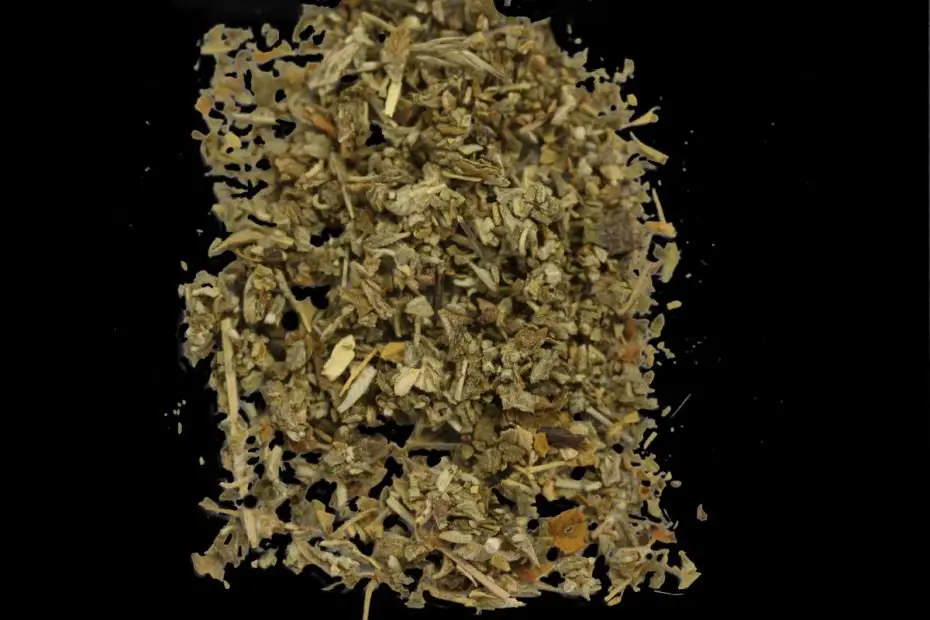
Cannabis.
It’s not what it used to be.
Lots of young people think cannabis is harmless or “just weed”. But the cannabis sold today is much stronger than in the past, and some of it is mixed with other drugs, including spice. This guide explains the names it goes by, how it is mixed, the real risks to your body, mind and future, the law, and where to get help.
You can’t see, smell or taste spice. It can be in weed, sweets or vapes.
The facts behind the smoke.
Know the names.
Cannabis goes by lots of names, and new ones appear all the time. Knowing them helps parents and carers recognise what young people are talking about.
Common names
Weed, bud, grass, herb, ganja, draw, dope, pot, puff, marijuana, green, loud, gas, zaza, pack
Joints and more
Spliff, zoot, joint, blunt, bong, “burning”, “blazing”, “smoking a zoot”
Skunk and more
Skunk, haze, kush, and many brand-style “strain” names
Very strong forms
Hash, resin, solid, oil, wax, dabs, shatter
Hidden forms
Edibles, gummies, “THC sweets”, carts, THC vapes, pens
Spice
Spice, mamba, black mamba, K2, “wet” or sprayed weed, and often sold simply as “THC”
How it’s mixed, and why that matters.
Much stronger than before. Most cannabis sold in the UK today is high-strength skunk, with much more THC (the chemical that gets you high) and little or none of the CBD that can balance its effects.
Mixed with tobacco. Most joints contain tobacco, so people get hooked on nicotine as well, with all the risks of smoking.
Mixed with alcohol. Combining the two makes people far more likely to feel very sick, dizzy and faint, sometimes called “whitey-ing”.
Cut with other substances. Street cannabis isn’t checked. It can contain pesticides, mould, or other drugs, and there is no way to know what you have.
Edibles are unpredictable. They take a long time to work, so people often take more, then feel the effects all at once. They can look exactly like well-known sweets and chocolate, which puts younger children at risk.
Not weed. Far more dangerous.
Spice is a man-made chemical designed to act like cannabis, but it can be many times stronger and much less predictable. It is sometimes sprayed onto herbal cannabis or added to sweets and vapes sold as “THC”.
In April 2026, spice was found in coloured vape liquids in Merton, south London, after several under-18s were taken to hospital.
999 If someone collapsesWarning signs
- Extreme panic, paranoia or hallucinations
- Confusion, aggression or very strange behaviour
- A racing heart, chest pain or being sick
- Seizures, collapse or not responding
Call 999 if someone collapses, has a seizure or can’t be woken. Put them on their side in the recovery position, stay with them, and tell paramedics what they took.
The risks to your mind, body and future.
The teenage brain is still developing until around age 25, which makes young people more vulnerable to cannabis’s effects.
Mental health
Anxiety, panic attacks, paranoia, low mood and sleep problems. Regular use of strong cannabis increases the risk of psychosis, especially for teenagers and people with a family history of mental illness.
Memory and learning
Cannabis affects concentration, memory and motivation. Regular use by young people has been linked to poorer exam results.
Addiction
Cannabis can be addictive. Heavy users can crave it and feel irritable, anxious and unable to sleep or eat when they stop.
Lungs and heart
Smoking cannabis, especially with tobacco, causes coughing and wheezing, makes asthma worse, and long-term can lead to lung and heart problems.
Exploitation and debt
Young people who use or sell cannabis can be drawn into debt, threatened, or exploited by gangs and county lines.
Accidents
Cannabis slows reactions and affects judgement, making accidents, injuries and risky situations more likely.
What the law says.
Cannabis and most synthetic cannabinoids are Class B drugs. CBD products sold in shops are different, but anything sold as “THC” is illegal.
Possession
Having cannabis for yourself is illegal, even a small amount. Police may give a warning or a fine at first, but you can be arrested.
Supply
Selling, sharing or even passing cannabis to a friend counts as supply, which is treated much more seriously.
Growing
Growing cannabis, or letting it be grown or used in your home, is a crime.
Drug driving
Driving with cannabis in your system is illegal. It can lead to a driving ban, a fine and a criminal record.
A criminal record
A drugs conviction can affect college and university places, jobs, and travel to countries such as the USA.
No exceptions
Young people can be arrested from age 10. Police and schools may also refer young people to support services.
For parents and carers.
Stay calm and keep talking. Young people are more likely to be honest if they don’t expect a row. Ask what they know and what their friends think.
Share the facts, not scare stories. Talk about how strong cannabis is today, and about spice in “THC” sweets and vapes.
Watch for debt or pressure. Unexplained money, new phones, or seeming scared of certain people can be signs of exploitation.
Get support early. Young people’s drug services are free and confidential, and you can contact them for advice too.
Get support
Free and confidential help for young people and families in London, Essex and Kent. Young people can contact most services themselves.
Anywhere, any time
FRANK
Honest, confidential information about cannabis, spice and other drugs for young people and parents.
0300 123 6600 · text 82111Visit website →Under 19s · 24/7Childline
Free, confidential support about drugs, pressure, or anything else that’s worrying you.
0800 1111Visit website →Urgent medical adviceNHS 111
If someone feels unwell after using cannabis and it isn’t an emergency. In an emergency, call 999.
111Visit website →100% anonymousFearless (Crimestoppers)
Tell Fearless anonymously about drug dealing or young people being exploited.
0800 555 111Visit website →For familiesAddiction Family Support
Support for parents and family members affected by a loved one’s drug use.
0300 888 3853Visit website →Legal adviceRelease
Free, confidential advice on drugs and the law for young people and families.
020 7324 2989Visit website →London
Wize Up Havering (Change Grow Live)
Free, confidential drug and alcohol support for young people in Havering and their families. Monday to Friday, 9am to 5pm.
07920 807 726Visit website →Every London boroughFind your local service
Each London borough has its own free young people’s drug and alcohol service. Enter your postcode on FRANK to find yours.
Search by postcode →Essex
Essex Young People’s Drug and Alcohol Service
Run by The Children’s Society. Covers Essex, apart from Southend and Thurrock. Young people can refer themselves.
01245 493311Visit website →SouthendSouthend Young Person Drug and Alcohol Service (Open Road)
Support for young people in Southend. Parents and carers of under-18s can refer online.
01702 431889Visit website →ThurrockThurrock Young Person Drug and Alcohol Service (Open Road)
Support for young people under 18 in Thurrock.
Visit website →Kent
We Are With You: Kent for Young People
Free, confidential support for young people in Kent. Young people can refer themselves, and parents can make a referral.
01795 500881Visit website →MedwayMedway young people’s service
Medway has its own service, separate from Kent. Enter your postcode on FRANK to find it.
Search by postcode →Sources
- FRANK: Cannabis
- GOV.UK: Children’s substance misuse treatment statistics 2024 to 2025
- High-potency cannabis and psychosis (Di Forti et al., The Lancet Psychiatry, 2019)
- Forward Trust: Synthetic cannabinoids found in vapes in Greater London
- College of Policing: Spice vapes in schools
- Nearly all cannabis seized by UK police is high-strength skunk
This guide is for general information and does not replace medical or legal advice. Statistics and service details were checked in October 2026 and may change. In an emergency, always call 999.