Man smokes a joint. Medical marijuana use and legalization of the cannabis, light drugs concept

Cannabis

Cannabis: What Young People and Parents Need to Know

Cannabis is one of the most commonly used substances among young people, and in recent years we have seen changes in how it is used, how strong it is, and how easy it is to access.

At Youth Unity, young people regularly talk to us about cannabis — sometimes seeing it as “normal”, “natural”, or less risky than other drugs. However, cannabis can have serious short- and long-term impacts, particularly on young people whose brains are still developing.

This page explains what cannabis is, why young people may use it, the risks involved, and what parents and carers should look out for.


What Is Cannabis?

Cannabis is a drug made from the cannabis plant and is most often:

  • Smoked in joints

  • Used in vapes

  • Mixed into food or sweets (edibles)

The main psychoactive ingredient is THC (tetrahydrocannabinol), which affects mood, thinking, memory and coordination.

Today’s cannabis is often much stronger than in previous years, meaning the effects can be more intense and the risks higher.


Why Do Young People Use Cannabis?

Young people tell us they may use cannabis because:

  • Friends are using it

  • They believe it helps with stress or anxiety

  • It feels socially normalised

  • It is easier to access than many adults realise

  • They think it is safer than other drugs

Unfortunately, this can lead to regular use without fully understanding the consequences.


Health Risks for Young People

🧠 Brain Development and Mental Health

The teenage brain continues developing into the mid-20s. THC can interfere with this development and has been linked to:

  • Problems with memory and concentration

  • Reduced motivation

  • Increased anxiety and low mood

  • Higher risk of mental health difficulties, including paranoia and psychosis for some individuals

Regular use can make school, college and training more difficult.


🔁 Addiction and Dependence

While not everyone becomes addicted, young people are more vulnerable to cannabis dependence. This can involve:

  • Feeling unable to relax or sleep without it

  • Using more often than intended

  • Irritability and mood changes when not using

  • Losing interest in hobbies or activities

Dependence can develop gradually and often goes unnoticed at first.


❤️ Physical Health Risks

Smoking cannabis can also affect physical health, including:

  • Lung irritation and breathing problems

  • Increased heart rate and blood pressure

  • Poor sleep patterns

  • Reduced physical fitness

When mixed with tobacco, the risks increase further.


What Should Parents and Carers Look Out For?

Cannabis use is not always obvious, especially when vaping or edibles are involved.

Possible signs include:

  • Smell of cannabis or sweet, fruity scents

  • Bloodshot or tired-looking eyes

  • Changes in mood, motivation or behaviour

  • Declining school attendance or performance

  • Finding rolling papers, vapes, grinders, or small plastic bags

None of these signs alone confirm use, but patterns can be important.


Talking to Young People About Cannabis

If you are concerned:

  • Try to stay calm and open

  • Ask what they know about cannabis

  • Share accurate information rather than scare tactics

  • Let them know support is available if they want to cut down or stop

Many young people use cannabis to cope with stress, anxiety or difficult experiences, so understanding why is just as important as addressing the behaviour.


How Youth Unity Supports Young People

Youth Unity works with young people across London and surrounding areas through:

  • Mentoring

  • Wellbeing programmes

  • Outreach and detached youth work

  • Creative and sports-based interventions

We create safe spaces where young people can:

  • Talk honestly about substance use

  • Learn about risks and consequences

  • Access trusted adults

  • Be supported to make healthier choices

Where needed, we also help young people access specialist services.


Final Message

Cannabis is often seen as harmless, but for young people it can have real impacts on mental health, education, motivation and long-term wellbeing.

Early conversations, accurate information and supportive relationships are key to reducing harm and helping young people stay safe.

If you are worried about a young person, you do not have to manage it alone — support is available.

➡️ For advice or support, contact Youth Unity or speak to your school, GP or local youth service.

Stockholm, Sweden Jan 21, 2025 Nicotine pouches for sale in a duty free shop at Arlanda Airport.

Tobacco Pouches (SNUS)

Tobacco Pouches (Snus): What Young People and Parents Need to Know

Over recent months, we’ve seen a growing number of young people using tobacco and nicotine pouches, often referred to as “snus”. These products are becoming more visible in local shops, frequently displayed in bright, colourful tins on shop counters, which can make them look harmless — or even similar to sweets.

However, despite how they are marketed and perceived, snus and nicotine pouches are not risk-free, especially for young people.

This blog explains what they are, why young people are using them, the health risks, and what parents and carers should look out for.


What Are Snus and Tobacco / Nicotine Pouches?

Snus and similar products are small pouches placed between the upper lip and the gum. They release nicotine directly into the bloodstream through the lining of the mouth.

Some pouches contain tobacco, while others contain synthetic nicotine — but both are designed to deliver high levels of nicotine quickly.

They are often:

  • Mint or fruit flavoured

  • Sold in bright packaging

  • Small and easy to hide

  • Used without producing smoke or vapour

This can make them appear less harmful than smoking or vaping, but this is misleading.


Why Are Young People Using Them?

Young people tell us that tobacco and nicotine pouches are:

  • Easy to buy in local shops

  • Highly visible at checkout counters

  • Seen as “not as bad as vaping or smoking”

  • Easy to use discreetly in school or at home

Because they don’t produce smoke or vapour, they are sometimes viewed as low-risk, when in reality they still expose young people to addictive levels of nicotine.


Health Risks and Consequences

⚠️ Nicotine Addiction

Nicotine is highly addictive, particularly for developing teenage brains. Regular use can lead to:

  • Strong cravings

  • Difficulty concentrating without nicotine

  • Mood changes and irritability

  • Increased risk of progressing to other nicotine products

Once dependency develops, stopping can be extremely difficult.


🦷 Gum and Dental Damage

Because the pouch sits directly against the gum, long-term use can cause:

  • Gum irritation and inflammation

  • Gum recession (where the gum pulls away from the teeth)

  • Increased tooth sensitivity

  • Mouth sores and ulcers

  • Tooth staining and decay

In some cases, damage can become permanent and require dental treatment.


❤️ Longer-Term Health Concerns

While research is still developing, smokeless tobacco and nicotine products have been linked to:

  • Increased risk of oral health conditions

  • Higher blood pressure and heart strain

  • Potential links to oral cancers with long-term tobacco exposure

No nicotine product is completely safe — especially for young people whose bodies and brains are still developing.


What Should Parents and Carers Look Out For?

Because these products are small and discreet, they can be easy to miss.

Signs may include:

  • Small round tins or sachets in pockets or bags

  • Young people frequently placing something under their lip

  • Complaints of sore gums, mouth pain, or ulcers

  • Increased irritability or mood swings

  • Strong mint smells on breath

It’s also worth being aware that many young people don’t realise these products contain nicotine, or how addictive they can be.


Talking to Young People About Snus and Nicotine Pouches

If you’re concerned, try to:

  • Stay calm and non-judgemental

  • Ask what they know about the product

  • Explain the health and addiction risks clearly

  • Offer support rather than punishment

Many young people start using these products due to peer pressure or misinformation, not because they fully understand the consequences.


How Youth Unity Supports Young People

At Youth Unity, we regularly talk with young people about:

  • Nicotine addiction

  • Peer pressure

  • Making informed choices about health

  • Where to access help if they want to stop

Our wellbeing, mentoring and outreach programmes provide safe spaces for young people to ask questions, share concerns, and get reliable information without judgement.

If you are worried about a young person or would like support, please get in touch with us through our website.


Final Message

Snus and tobacco or nicotine pouches are not harmless alternatives to smoking or vaping. They are designed to deliver nicotine efficiently and can lead to addiction and long-term dental and health problems, particularly for young people.

Raising awareness early — among both young people and parents — is key to preventing long-term harm.

➡️ If you’d like support or advice, contact Youth Unity or speak to your school or GP for further guidance.

WhatsApp Image 2026-01-21 at 20.14.22

KAILO Session 3

Small Circle Session 3: Mapping the System & Finding Root Causes

Date: 21 January 2026
Time: 4:30pm – 7:00pm

In Session 3 of the Small Circles programme, young people took a big step forward in understanding the challenges in their community by moving from identifying themes to exploring the systems and root causes behind them.

Building on the mind maps created in the previous session, the focus this week was on asking deeper questions about why issues exist — not to place blame, but to better understand what is really going on beneath the surface.

🤝 Creating a Safe and Supportive Space

The session began with a warm welcome, sign-in and name badges, followed by a recap of the group’s Ways of Working and agreements to make sure everyone felt safe, respected and able to share their views.

To help everyone relax and connect, young people took part in a fun icebreaker — Human Bingo — which got conversations flowing and helped build confidence before moving into more in-depth discussions.

🧠 What’s Really Going On? Digging Deeper into the Issues

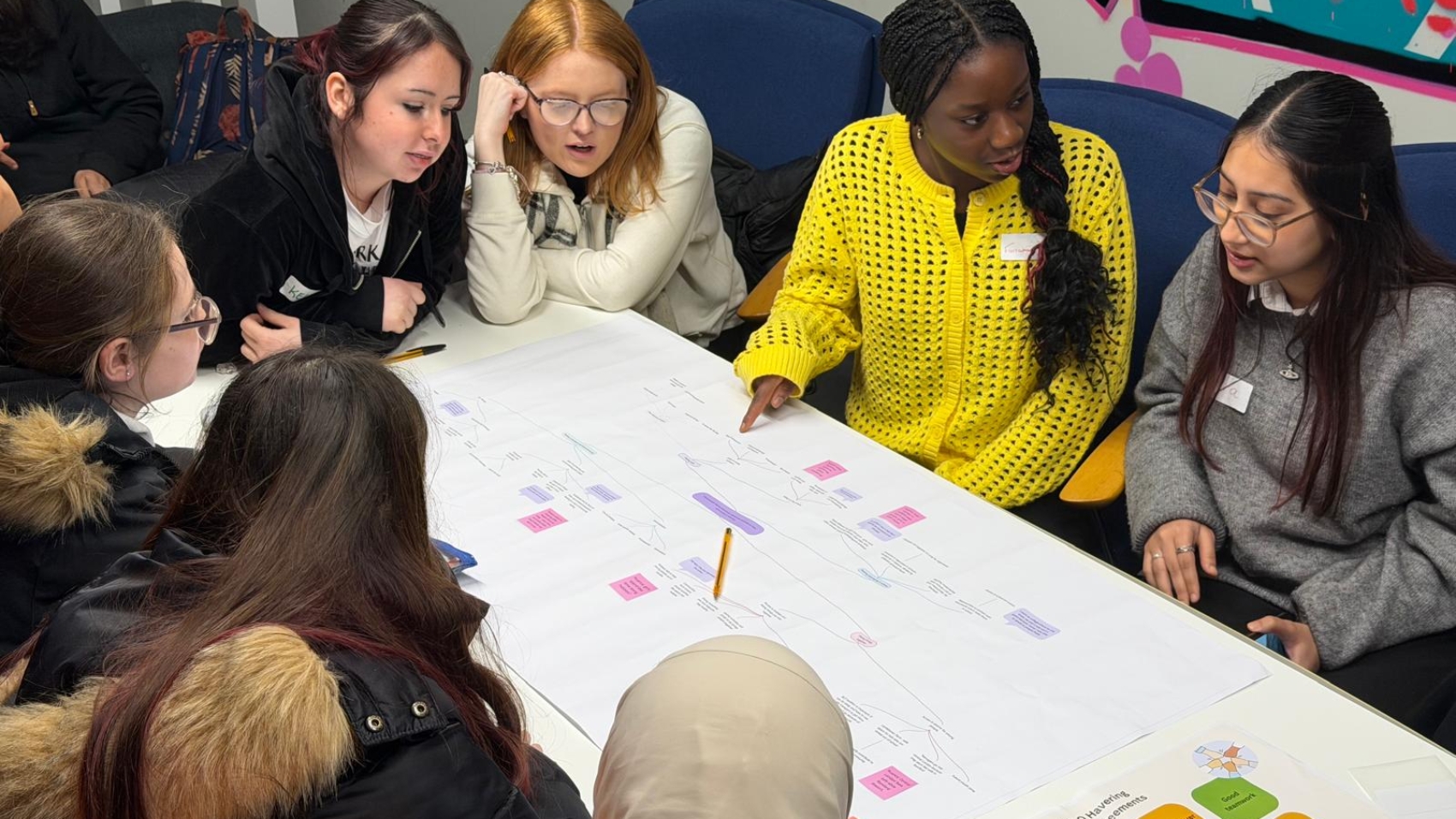
Young people were invited to revisit the large mind map created in Session 2 and reflect on whether there were any issues or experiences that had not yet been fully explored. This helped ensure that all voices were heard and that the group’s priorities were shaping the discussion.

From there, participants worked in small groups using the “5 Whys” root cause analysis tool, which encourages people to ask “Why is this happening?” multiple times to move beyond surface-level problems and identify deeper influences.

For example, instead of stopping at “I missed the bus,” young people explored what led up to that moment — such as stress, lack of sleep, or pressures from school — helping them see how different factors are often connected.

🔍 From Symptoms to Systems

Each group chose specific challenges from the mind map and worked through several layers of “why,” supported by facilitator prompts such as:

  • Is this a cause or another symptom?
  • What makes this hard to change?
  • What else might be influencing this?

This process helped young people recognise that many problems are shaped by wider systems — including education, mental health, family pressures and access to support — rather than being down to individual choices alone.

After a break for food, groups continued their deep-dive discussions, with some swapping worksheets to add fresh perspectives to each other’s reflections.

⭐ Identifying the Strongest Root Causes

Towards the end of the session, young people reviewed their worksheets and starred the strongest root causes they had identified. In a whole-group discussion, they shared what stood out to them and what patterns they were beginning to notice across different themes.

This reflection helped young people start thinking about which issues might be possible to influence or change — setting the stage for the next session, where the group will explore these root causes in even more depth.

🚀 What’s Next?

Session 3 was a powerful step in helping young people see how individual experiences connect to wider systems, and how understanding root causes is essential before meaningful solutions can be designed.

In the next session, the group will continue this journey by digging deeper into the root causes they have identified and exploring what change could realistically look like in their community.


WhatsApp Image 2026-02-10 at 18.00.14 (1)

Youth Unity Podcast Hub

This project is funded by Karakusevic Carson Architects

🎙️ Youth Unity Launches New Podcast Platform and Free Support Sessions at Cygnet Square

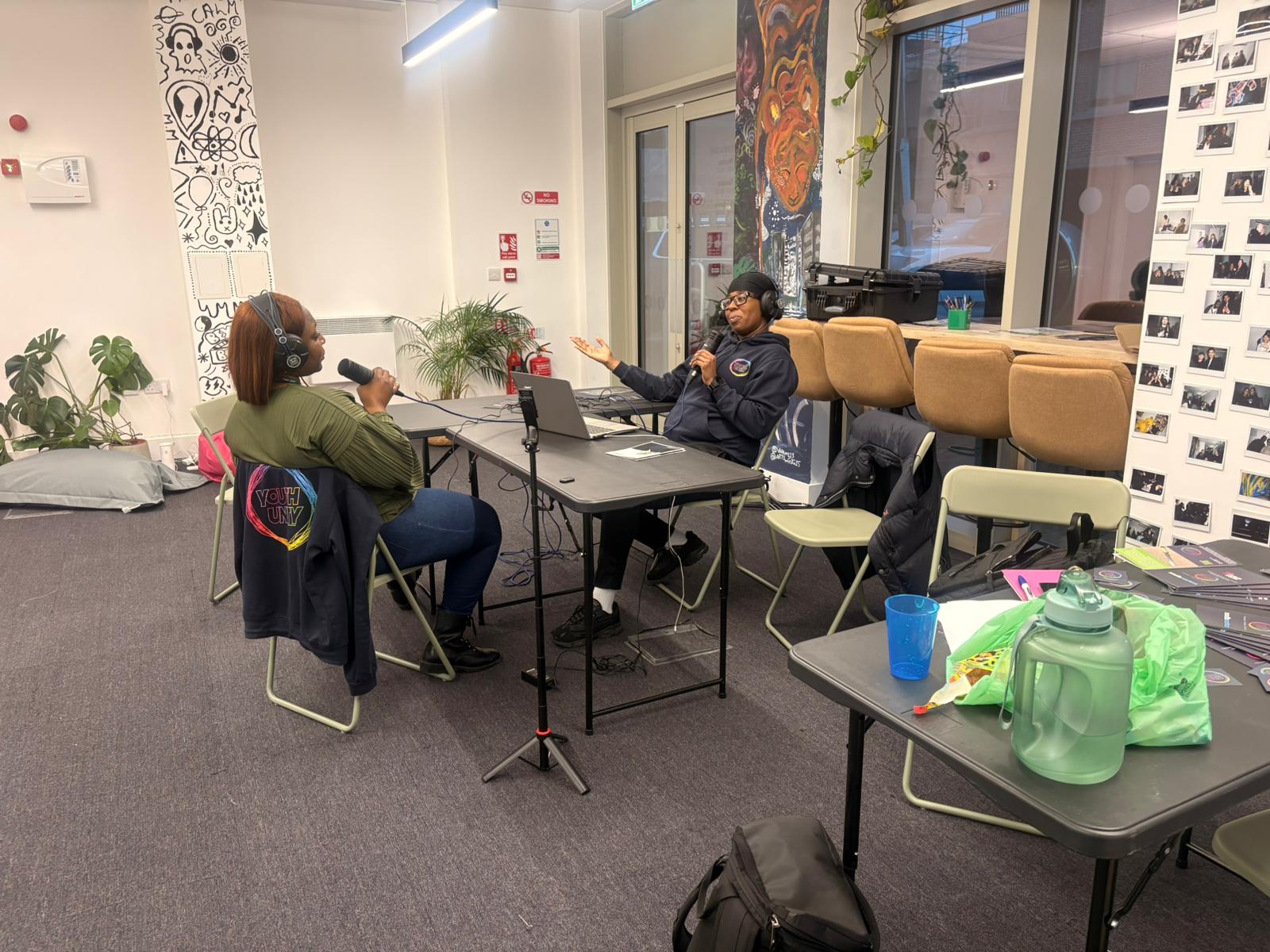
Youth Unity is excited to launch a new Podcast Platform and Personal Development Hub at The Lounge, Cygnet Square from 3pm, offering young people a creative space to share their voices while also accessing practical support to help them move forward with confidence.

The new podcast programme gives young people aged 13–25 the opportunity to learn how to plan, record, and produce their own podcasts in a supportive and welcoming environment. Participants will develop skills in interviewing, storytelling, teamwork, and audio production, while also building confidence and communication skills that can support them in education, training, and employment.

We know that many young people have powerful stories, opinions, and experiences that deserve to be heard. This platform is about more than learning technical skills — it is about helping young people feel valued, listened to, and confident to express themselves in positive ways.

Alongside the podcast sessions, Youth Unity is also offering free drop-in support sessions at The Lounge, designed to support young people with real-life challenges and future planning. These include:

  • CV building and job application support

  • Employability and interview skills

  • Money management and budgeting advice

  • Life skills and personal development courses

Young people can attend for creative opportunities, practical support, or both. Our youth workers and mentors are on hand to provide guidance, encouragement, and clear pathways into further support where needed, including mentoring, wellbeing services, and training opportunities.

All sessions take place at The Lounge, Cygnet Square, and are completely free to attend. The programme is part of Youth Unity’s ongoing commitment to early intervention, youth voice, and community-based support, creating safe and positive spaces where young people can build skills, relationships, and aspirations.

📍 Location: The Lounge, Cygnet Square

👥 Who can attend: Young people aged 13–25

💷 Cost: Free

We look forward to welcoming young people from the local community to get involved, learn new skills, and have their voices heard.

2

Medway Youth Service

Supporting Youth Voice and Access to Local Youth Services

Youth Unity CIC is proud to be supporting young people in Gillingham by helping to amplify their voices and improve access to local youth services, working alongside Medway Youth Service and community partners.

As part of this work, young people are being encouraged to share their views about Gillingham High Street and their experiences of the local area. This feedback is being gathered through a simple QR code survey, allowing young people to quickly and anonymously share what they like, what concerns them, and what they would like to see improve. Capturing youth voice in this way ensures that future plans and services are shaped by the real experiences of young people who use these spaces every day.

Alongside this, a second QR code links directly to Medway Youth Service’s registration of interest for Gillingham youth sessions, making it easier for young people and families to find out about local youth provision and sign up for upcoming activities. This helps remove barriers to access and ensures young people can connect with trusted support in their community.

Youth Unity’s Role in Supporting Engagement

Youth Unity is supporting this project by engaging directly with young people, encouraging participation, and helping them understand how their voices can influence positive change in their local area. Through relationship-based youth work, staff build trust with young people and support them to feel confident in sharing their views, concerns, and ideas.

This approach recognises that young people are experts in their own experiences. By providing safe and accessible ways for them to contribute feedback, we help ensure that local regeneration, safety planning, and youth services reflect what young people actually need and want, rather than assumptions made about them.

Connecting Young People to Wider Support

As part of our wider safeguarding and early-help approach, Youth Unity also ensures young people are aware of additional support services available across Medway and Kent. This includes access to help around mental health, emotional wellbeing, substance misuse, sexual health, bereavement, online safety, and healthy lifestyles, with clear signposting to specialist services where needed.

This holistic approach means that engagement is not just about activities, but about ensuring young people know where they can turn if they need extra help, advice, or someone to talk to.

Why Youth Voice Matters

When young people feel listened to, they are more likely to engage positively with their community and local services. Giving them a platform to express their views about places like Gillingham High Street helps decision-makers understand what is really happening on the ground and where support, investment, or changes may be needed.

It also helps young people see that their opinions matter and that they can play an active role in shaping their environment, which is an important part of building confidence, civic pride, and long-term community safety.

Working Together for Better Outcomes

This project reflects Youth Unity’s ongoing commitment to partnership working, early intervention, and prevention. By supporting Medway Youth Service’s outreach and registration process, and by encouraging young people to share their views, we are helping to strengthen local youth infrastructure and ensure young people are not overlooked.

We look forward to continuing this work in Gillingham, supporting young people to have a voice, access opportunities, and connect with services that can help them thrive.


WhatsApp Image 2026-01-14 at 19.32.30

Beyond the Box

*New Community Venue Opens at Cygnet Square in Thamesmead: A Safe Space for Young People*

Thamesmead, London – This evening, residents and community members gathered at Signet Square to celebrate the grand opening of a brand-new community venue, developed in partnership with Beyond the Box and Peabody. The event featured a variety of activities, entertainment, and opportunities for local engagement.

The new venue is designed to serve as a safe space for young people, offering access to vital support services, employability skills, life skills development, CV building, and money management. In addition, the venue provides courses aimed at enhancing training and employment opportunities in the area, specifically tailored to meet the needs of the young community.

*Event Highlights:*

  • ⁠ ⁠*Opening Ceremony:* The event included a ribbon-cutting ceremony featuring local leaders and representatives from Beyond the Box and Peabody.
  • ⁠ ⁠*Community Engagement:* Participants explored opportunities to get involved in future events and programs at the venue, including an exciting podcast series highlighting local voices and stories.

“We were thrilled to open this new community venue at cygnet Square,” said  James Hensman at This venue represents our commitment to enriching the lives of Thamesmead residents, especially our youth, by providing them with valuable skills and support.”

Peabody’s Nadia  added, “This partnership is a testament to our dedication to community development. We believe this venue will become a cornerstone for social interaction, cultural exchange, and personal growth in Thamesmead.”

A heartfelt thank you goes out to everyone who supported this initiative. The community is excited to embrace this new chapter and the opportunities it brings.

*About Peabody:* 

Peabody is a leading housing association committed to providing quality homes and services to communities across London and the South East.

*About Beyond the Box:* 

Beyond the Box is an organization dedicated to empowering communities through innovative projects and initiatives that build engagement and collaboration.

Beyond the Buzz podcast launch (1)

BEYOND THE BUZZ

New Podcast Launch: Beyond the Buzz — Youth Voices on Drugs, Choices and Change

Youth Unity CIC is proud to launch Beyond the Buzz, a new youth-led podcast series developed in partnership with Havering Council, giving young people a platform to speak openly and honestly about drugs, alcohol, peer pressure and the choices they face.

Beyond the Buzz brings together authentic youth voices, professional insight and lived experience, creating open conversations that support prevention, education and better understanding between young people, parents and professionals

Honest Conversations Led by Young People

At the heart of Beyond the Buzz is a commitment to youth voice. Young people are involved in:

  • Choosing discussion topics
  • Hosting and leading conversations
  • Interviewing guests
  • Shaping the final episodes

Through podcast training and creative workshops, participants build confidence, communication skills and technical media experience, while also developing the confidence to speak about difficult topics in a safe and supported environment

What Topics Does the Podcast Cover?

Each episode explores real issues that affect young people and families, including:

  • Drug and alcohol misuse
  • Peer pressure and social expectations
  • Mental health and emotional wellbeing
  • School and education challenges
  • Youth slang and hidden terminology used around substances
  • Recovery journeys and positive change

The aim is not to lecture, but to inform, reflect and empower, helping young people understand risks while also hearing stories of resilience and recovery from those with lived experience

Bridging the Gap Between Young People and Adults

Beyond the Buzz is designed to support not only young people, but also:

  • Parents and carers
  • Schools and safeguarding leads
  • Youth and community professionals

By explaining terminology, trends and pressures that young people face, the podcast helps adults better understand modern drug culture and the realities young people navigate, improving communication and early intervention opportunities

Education, Prevention and Positive Futures

The podcast forms part of Youth Unity’s wider commitment to early help, prevention and safeguarding-led youth engagement. Episodes will be promoted through:

  • Schools and PSHE programmes
  • Youth services and community settings
  • Online podcast platforms including Spotify and Apple Podcasts
  • Targeted social media campaigns

This ensures that learning and awareness extend beyond those taking part in recording, reaching the wider community with trusted, youth-informed messages

Building Skills, Confidence and Voice

For the young people involved, Beyond the Buzz supports:

  • Confidence and public speaking
  • Teamwork and listening skills
  • Digital and media production experience
  • Emotional expression and reflection
  • Understanding consequences and making informed choices

These transferable skills support wider education and employment pathways, while strengthening young people’s sense of ownership and positive identity within their communities

Looking Ahead

The pilot phase of Beyond the Buzz will deliver 10+ podcast episodes, followed by evaluation, youth feedback and impact reporting to inform future expansion across schools and youth settings in Havering and beyond.

Youth Unity CIC is proud to work alongside statutory partners to ensure that prevention work is not only informative, but shaped directly by the voices of those it is designed to support.


Youth voices rise in Barking & Dagenham

Fighting Chance

New Project Launch: Fighting Chance – Building Confidence, Strength and Youth Voice

Fighting Chance is proudly delivered from The Rising Generation Youth Centre, a brand-new community youth hub that has been co-designed by local young people — from the name of the centre through to the logo and creative identity. The space has been developed to reflect what young people in the area said they wanted and needed: somewhere safe, welcoming and inspiring, where they can explore new interests, hobbies and talents, build confidence and feel a sense of belonging.

The Rising Generation is more than just a venue — it is a growing hub for youth development, creativity and positive activity, supporting young people to discover what they enjoy, what they are good at, and what they might want to pursue in the future. Delivering Fighting Chance from this centre allows Youth Unity to provide consistent, trusted support within a space that young people themselves helped shape.

Youth Unity CIC is excited to launch Fighting Chance, a youth development programme combining boxing fitness, confidence-building activities and youth-led podcasting to support young people aged 10–18 across Barking and Dagenham.

Fighting Chance is designed to support both physical and emotional wellbeing, providing young people with structured activity, positive role models and opportunities to develop their voice in a safe and supportive environment. The programme reflects Youth Unity’s ongoing commitment to early intervention, prevention and relationship-based youth work.


What Does Fighting Chance Involve?

Each session blends two key elements:

🥊 Boxing Fitness and Discipline

Young people take part in non-contact boxing and fitness training focused on movement, coordination, focus and self-discipline. These sessions support physical health while also helping young people manage stress, build routine and develop confidence.

🎙️ Youth Voice and Podcasting

Alongside physical activity, participants take part in creative podcast workshops, where they learn communication skills, teamwork and self-expression. Young people help shape discussion topics and develop confidence in sharing their thoughts on issues that matter to them, such as school pressures, friendships, motivation and future goals.

All podcast sessions are delivered with trained youth workers present, ensuring conversations are supported, appropriate and safeguarding-led.


Why This Matters

Many young people face increasing pressures around school, mental wellbeing and social expectations. Fighting Chance creates a space where young people can:

  • Feel active, motivated and supported

  • Build positive relationships with peers and trusted adults

  • Develop confidence and communication skills

  • Engage in structured, purposeful activity outside of school

By combining physical training with creative expression, the programme supports young people in building resilience, self-belief and aspiration.


Working in Partnership

Fighting Chance is funded by London Borough of Barking and Dagenham Council and delivered by Youth Unity CIC, working in partnership with local schools and community networks to ensure young people who will benefit most are able to access the programme.

Referrals are welcomed from schools, youth services and partner organisations, as well as through community outreach and family engagement.


Looking Ahead

As the programme develops, young people will also take part in creating content that shares their achievements and experiences, helping to amplify youth voice while building real-world creative and digital skills.

We look forward to sharing updates from sessions, podcast releases and impact from the programme as it progresses, and to celebrating the growth and achievements of the young people involved.

Phase 1: Community Engagement & Street-Level Outreach (Building Participation)
Phase Activity Session Date Purpose
Phase 1 School visits & street outreach Outreach Session 1 Tuesday 4 March School engagement, flyer distribution, local shop engagement
Phase 1 Community outreach & recruitment Outreach Session 2 Wednesday 5 March Street outreach, youth engagement, programme sign-up
Phase 2: Core Programme Launch (Structured Delivery Begins)
Phase Activity Session Date Purpose
Phase 2 Boxing & PT Session 1 Tuesday 10 March Programme launch
Phase 2 Podcasting Workshop 1 Wednesday 11 March Youth voice & creative engagement
Phase 2 Boxing & PT Session 2 Tuesday 17 March Skill development
Phase 2 Boxing & PT Session 3 Tuesday 24 March Consistency & relationship building
Phase 3: After-School “Lost Hours” Delivery (Sustained Engagement)
Phase Activity Session Date Purpose
Phase 3 Boxing & PT Session 4 Tuesday 31 March Maintaining engagement
Phase 3 Podcasting Workshop 2 Wednesday 1 April Creative reflection & storytelling
Phase 3 Boxing & PT Session 5 Tuesday 7 April Confidence & progression
Phase 3 Boxing & PT Session 6 Tuesday 15 April Mentoring through sport
Phase 3 Boxing & PT Session 7 Tuesday 22 April Programme consolidation
NEW FLYER FOR OVERALL

FAILING FORWARDS

Youth Unity CIC is proud to support Failing Forwards, a youth-led podcast created through the MYENDS Romford programme in Havering, giving young people a powerful platform to share their experiences, challenge stereotypes and speak openly about the realities of growing up in today’s communities.

Failing Forwards is not about polished performances or adult-led narratives. It is about real conversations, real experiences and real voices, led by young people who are often talked about, but rarely listened to.

A Platform for Honest Conversations

Through Failing Forwards, young people explore topics that directly affect their lives, including:

  • Mental health and emotional wellbeing
  • Education and school experiences
  • Drug misuse and peer pressure
  • Anti-social behaviour and community tensions
  • Knife crime and fear of violence
  • Confidence, identity and future aspirations

These conversations are raw, honest and reflective, allowing young people to speak openly about challenges, mistakes and the lessons they have learned along the way.

The aim is not to sensationalise experiences, but to create space for reflection, accountability and growth, while helping young people recognise their own resilience and potential.

Why Youth-Led Podcasting Matters

Podcasting provides young people with more than just a creative outlet. It supports:

  • Confidence and communication skills
  • Emotional expression and self-reflection
  • Positive peer discussion and listening skills
  • Digital and media experience
  • A sense of agency and ownership over their stories

By shaping the topics, leading discussions and contributing to production, participants develop confidence in sharing their perspectives and understanding that their voices have value.

All recordings take place in supported environments, with trained youth workers facilitating sessions and ensuring safeguarding and wellbeing are always prioritised.

Challenging Stereotypes and Changing Narratives

Failing Forwards also plays an important role in challenging negative stereotypes about young people in areas affected by deprivation and community safety concerns.

Instead of statistics and headlines, listeners hear directly from young people about:

  • What pressures they face
  • What support they feel is missing
  • What helps them stay focused and positive
  • What they want adults and decision-makers to understand

These lived experiences provide powerful insight for professionals, services and local partners working in prevention, education and youth support.

Part of the Wider MYENDS Romford Programme

The podcast forms part of Youth Unity’s wider delivery within the MYENDS Romford initiative, which focuses on early intervention, violence prevention and supporting young people at risk of exploitation or harm through relationship-based youth work, mentoring and creative engagement.

By combining direct support with creative platforms such as podcasting, the programme helps young people develop confidence while also contributing to community learning and service improvement.

Listening Leads to Change

Failing Forwards is about more than sharing stories — it is about creating understanding, building trust and opening pathways to positive change.

When young people are heard, valued and supported, they are more likely to engage positively with education, services and their communities. This podcast is one way Youth Unity and MYENDS are working to ensure young people are not just supported, but actively involved in shaping conversations about their futures.


SQUARE FOR SOCIALS

ReThreaded Sustainable Fashion

RETHREADED — Youth-Led Sustainable Fashion for Young Women

Youth Unity CIC is proud to launch RETHREADED, a new youth-led sustainable fashion programme supporting girls aged 14–19 to build confidence, creativity and enterprise skills through upcycling and design.

Delivered in partnership with Havering Youth Services and generously supported by Park Charitable Trust for Girls, the programme brings together creativity and sustainability, giving young women practical skills while encouraging positive self-expression and teamwork.

Across a 12-week programme running from February to June 2026, participants will take part in hands-on workshops covering sewing and upcycling, branding and marketing, creative design and enterprise skills. Each cohort will work towards a final community showcase, celebrating their achievements and sharing their work with family, partners and the wider community.

A key element of RETHREADED is ensuring that young people’s voices are central to the project. Participants will help shape the project’s identity and create digital content that reflects their journey, building confidence and transferable media skills alongside their creative development.

We are extremely grateful to Park Charitable Trust for Girls for making this programme possible. Following the closure of Park School for Girls in Ilford, the Trust was established to continue its legacy by improving access to education for children from disadvantaged backgrounds, with a primary focus on girls. Through this partnership, we are able to reach and support more young women with positive, future-focused opportunities.

RETHREADED reflects Youth Unity’s ongoing commitment to providing creative, preventative and empowering programmes that help young people build skills, confidence and aspiration for the future. We look forward to sharing updates and celebrating the achievements of the young women taking part.

🎥 Youth Voice at the Centre

A core part of RETHREADED is ensuring that young women are not just participants, but active storytellers of their own journey.

Throughout the programme, young people will create:

  • Social media content

  • Photography and video

  • Project branding and creative identity

This content will be shared across Youth Unity and Park Trust platforms, helping to amplify young women’s voices while building confidence in digital and media skills.