KAILO Session 7 –Exploring Change Areas
As part of the KAILO programme in Havering, young people have been working together to explore the issues that most affect their wellbeing, safety, and experiences within their community. Through a series of workshops, the group has been identifying the areas where they believe real change could make the biggest difference for young people.
Rather than simply discussing problems, the programme encourages young people to look deeper at the systems around them — exploring not only the visible issues but also the patterns, structures, and beliefs that influence them. This approach helps young people move beyond identifying challenges and towards developing meaningful solutions.
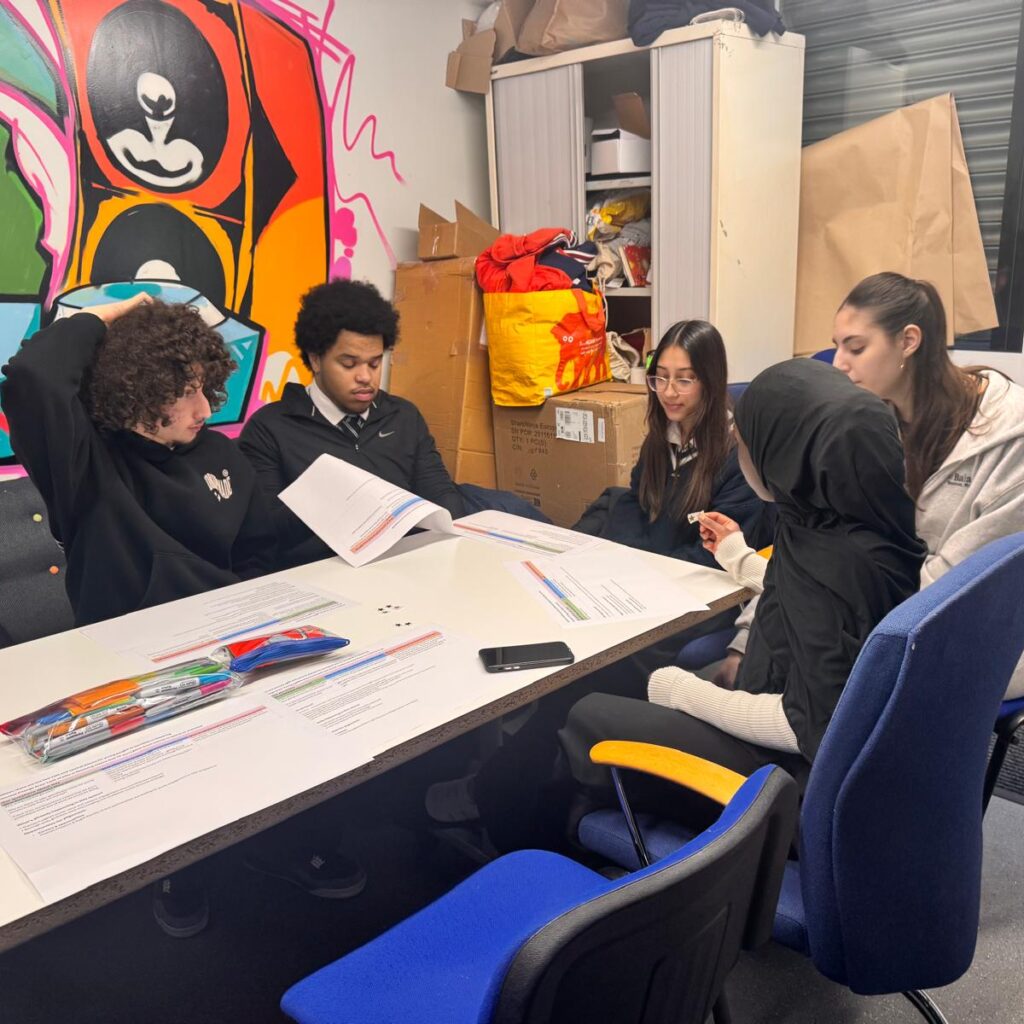
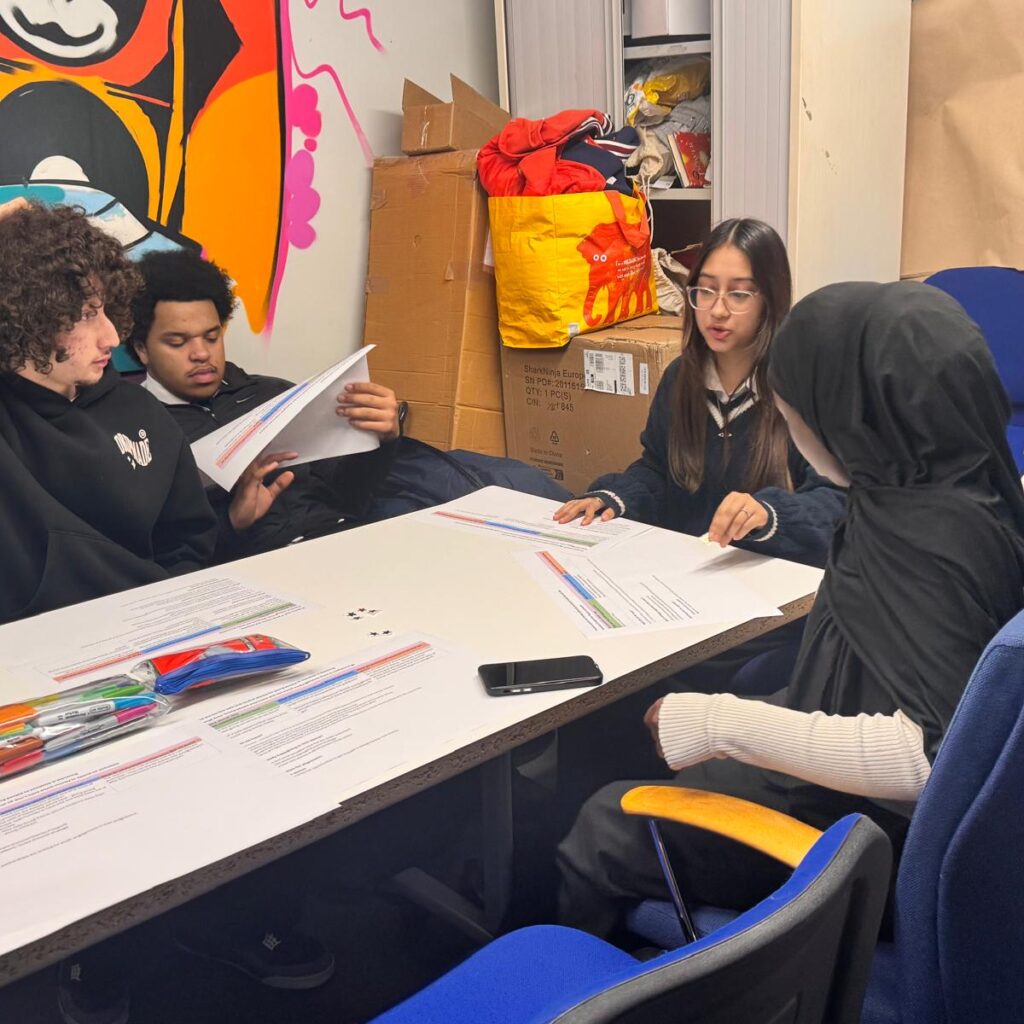
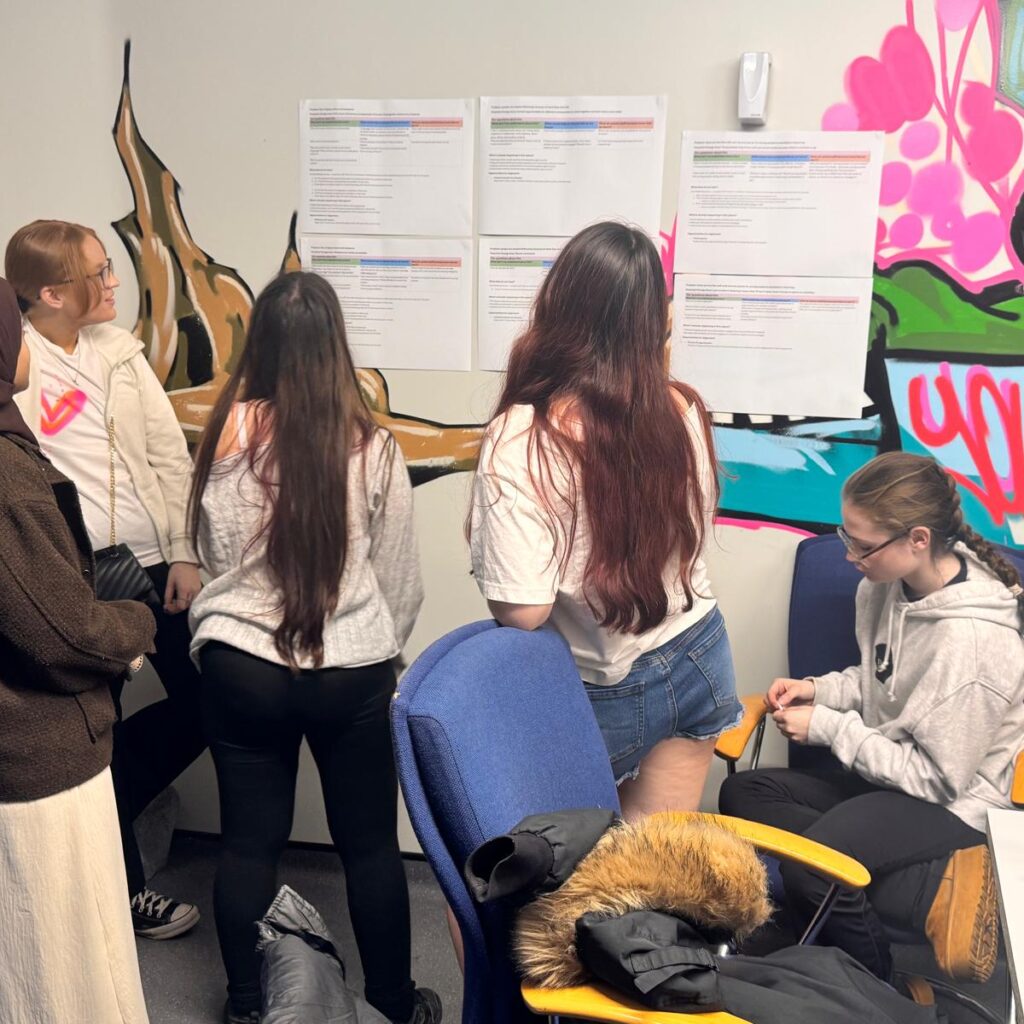
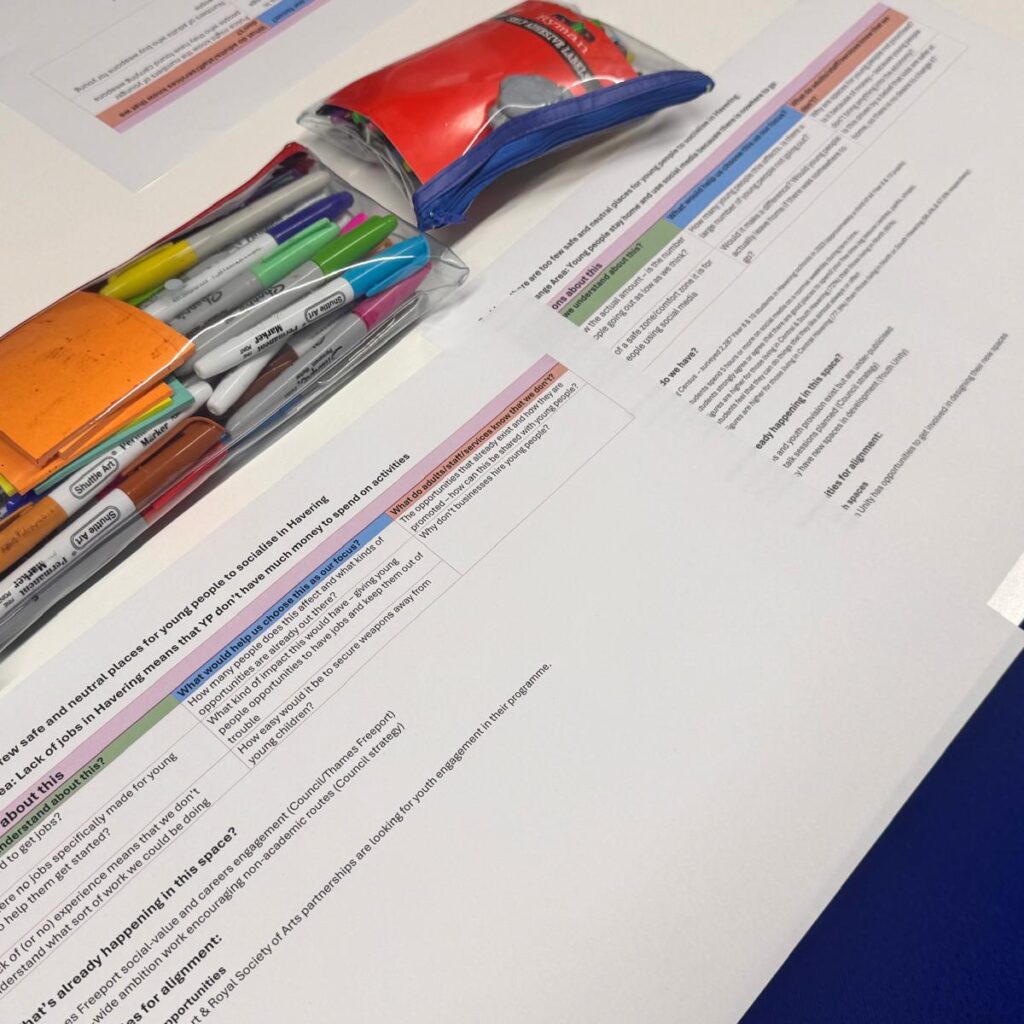
During recent sessions, participants reviewed the range of potential change areas they had identified together. Using a structured activity, the group worked through a series of steps to decide which issue should become the main focus of their project. Young people began by voting individually for the areas they felt were most important, ensuring that every voice in the room was heard from the outset.
The most supported ideas were then explored in small groups, where participants discussed key questions including:
- Why this issue matters for young people
- Whether meaningful change would be realistic
- How young people’s voices could help shape solutions
Each group then shared short “lightning pitches,” presenting their thoughts and insights to the wider group. Finally, young people used a scoring system to evaluate each change area based on factors such as impact, feasibility, and the level of energy and motivation within the group to tackle the issue.
This process helped the group move from a broad list of concerns to a clear, shared priority, ensuring that the final decision reflected the perspectives and experiences of the young people involved.
Once the priority change area had been selected, the group began the next stage of the programme: visioning the future. Through creative activities such as vision boards, young people explored what a positive future could look like if meaningful change was achieved. They considered how young people would feel, how systems and services might work differently, and what success would look like for their community.
One of the most powerful aspects of this process has been seeing how the young people have come together as a group, supporting each other’s ideas and recognising that many of their experiences are shared. As the sessions have progressed, participants have grown in confidence, speaking openly about the challenges they face while also contributing thoughtful and creative ideas about how change could happen.
By working collaboratively and using structured tools to guide their thinking, the group is now moving forward with a clear focus and a shared vision for positive change.
The next stage of the programme will involve developing practical ideas and exploring how these visions can begin to translate into real improvements for young people across Havering.
Key Outcomes from the Change Area Process
- Young people identified and explored multiple issues affecting their wellbeing
- A structured decision-making process ensured every voice contributed
- Participants evaluated change areas based on impact, feasibility, and youth influence
- The group agreed on a shared priority area for change
- Young people began imagining positive future solutions through visioning activities