KAILO Session 5 – Identifying Change Areas
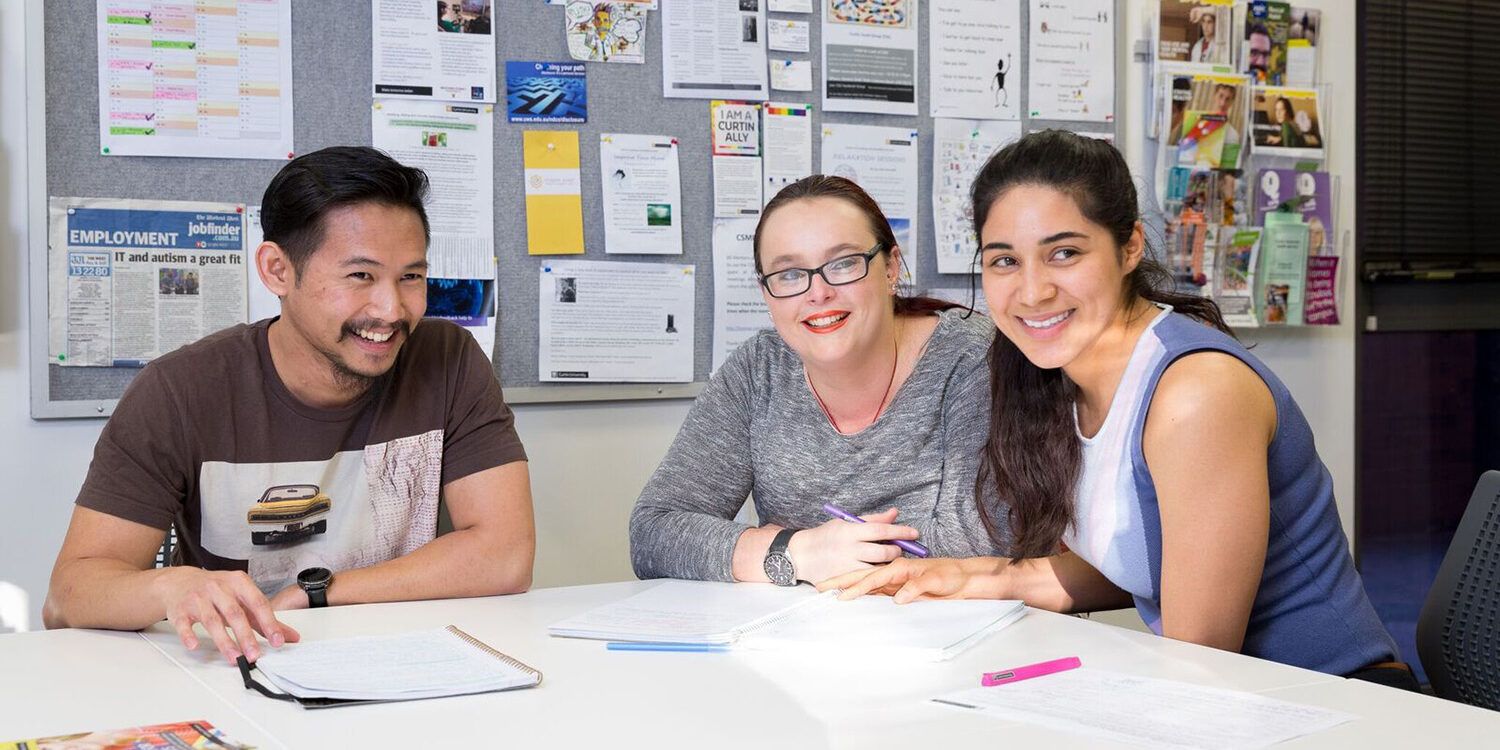
During Session 5 of the KAILO programme, young people came together to take an important step forward in shaping the issues they believe need real change within their community.
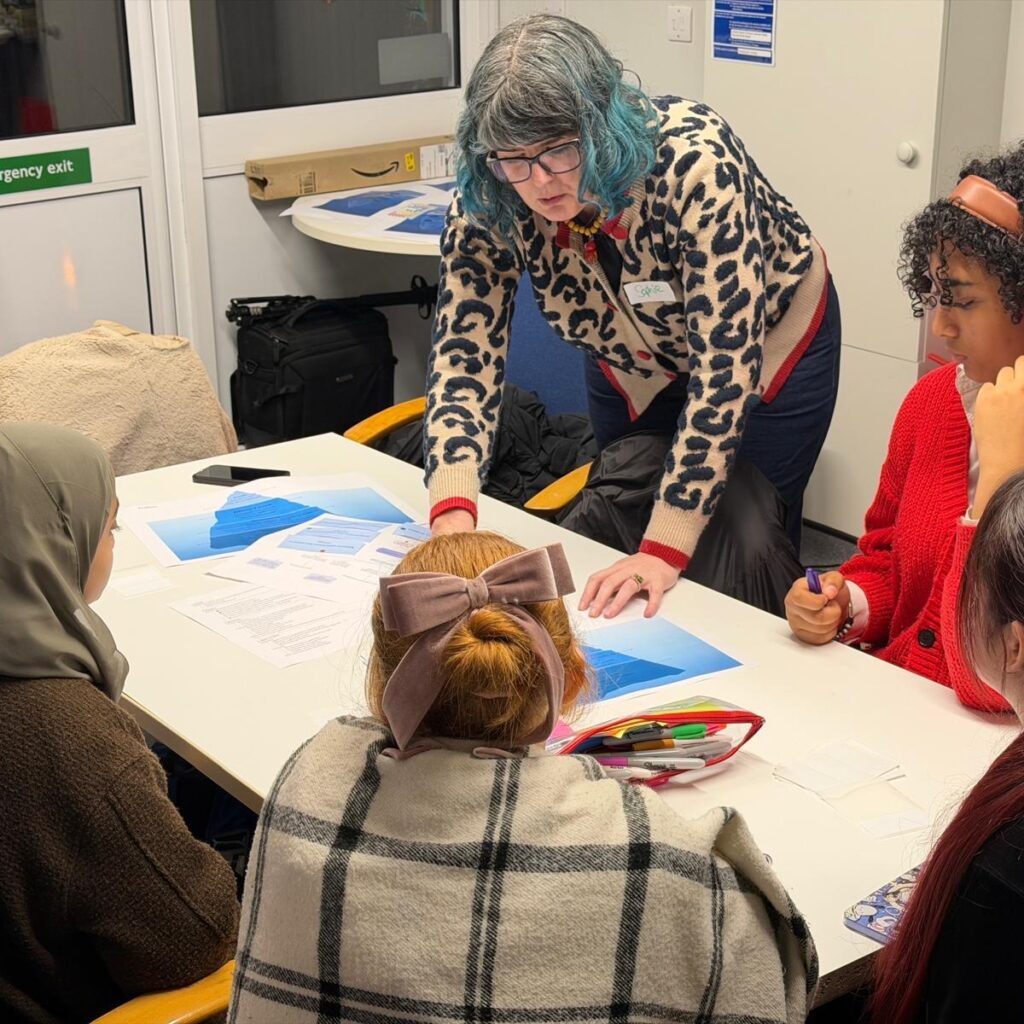
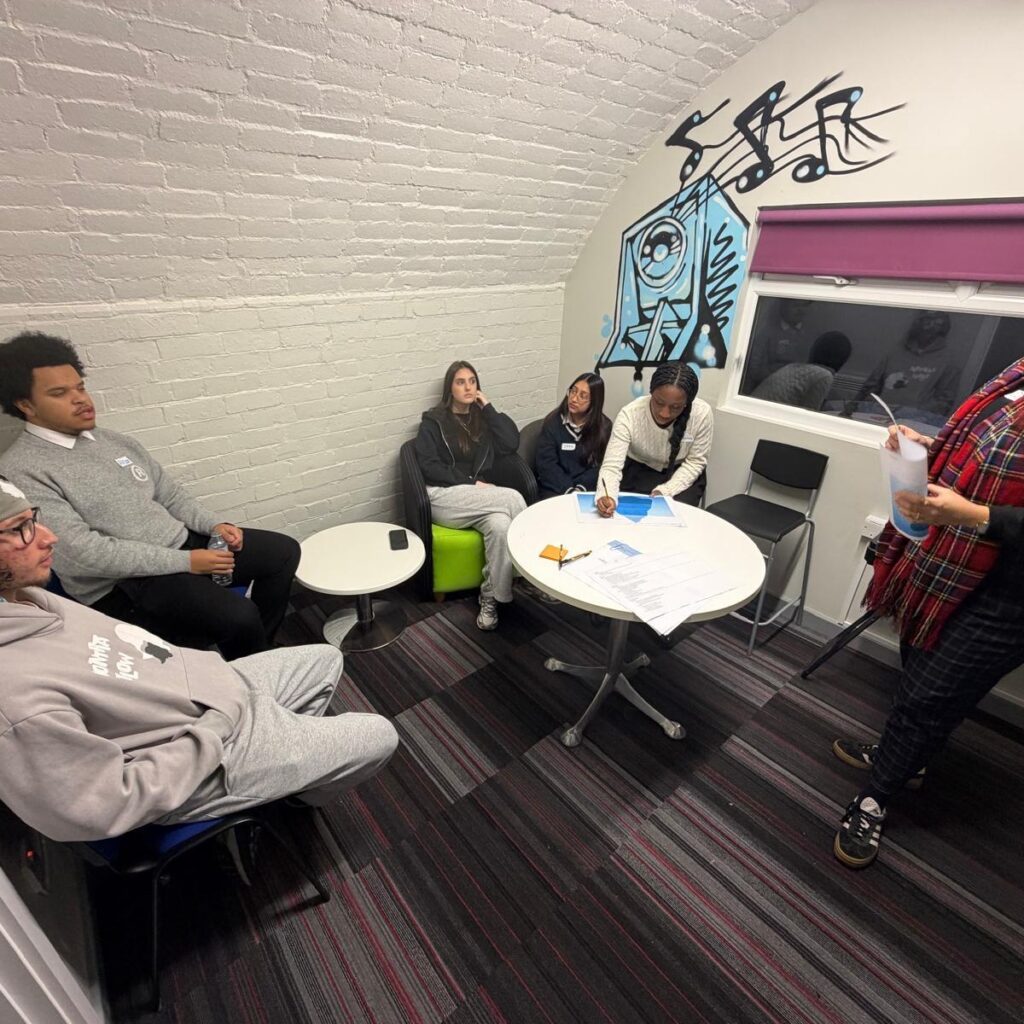
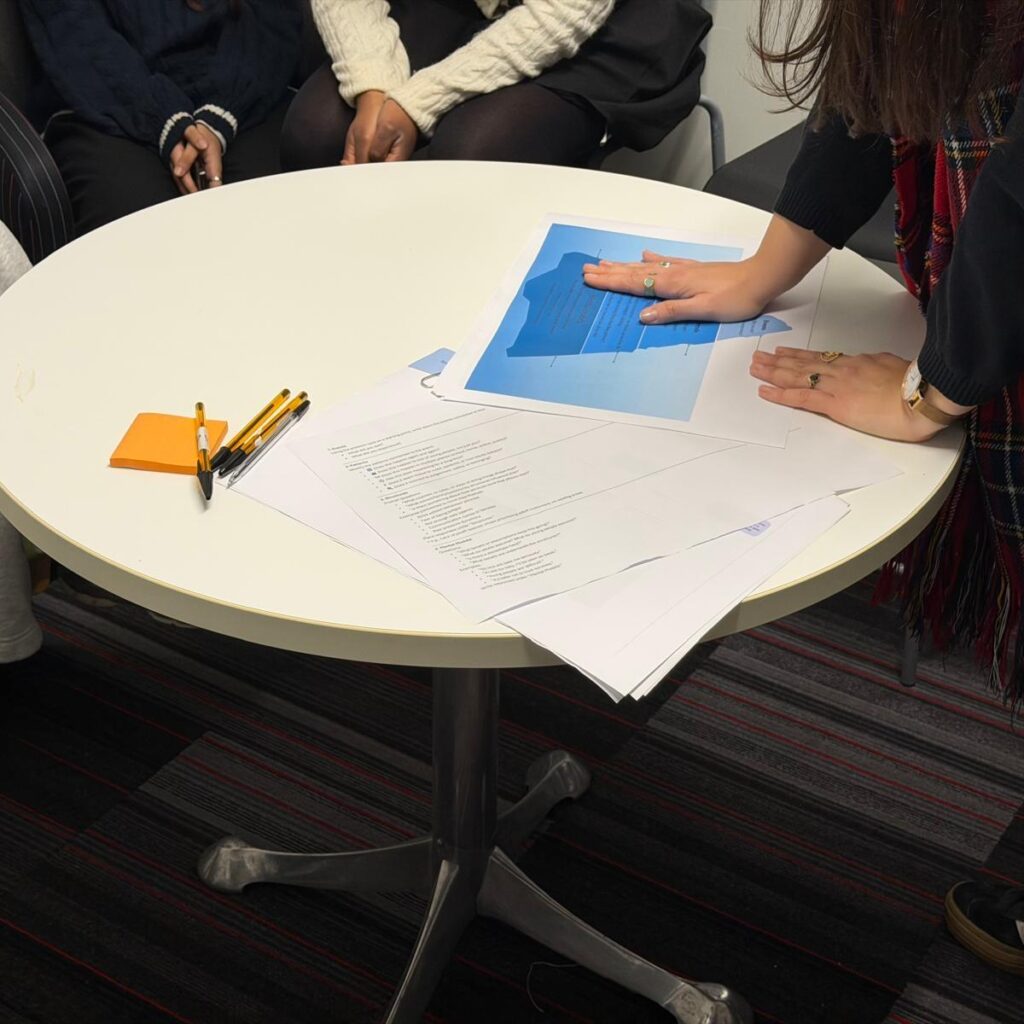
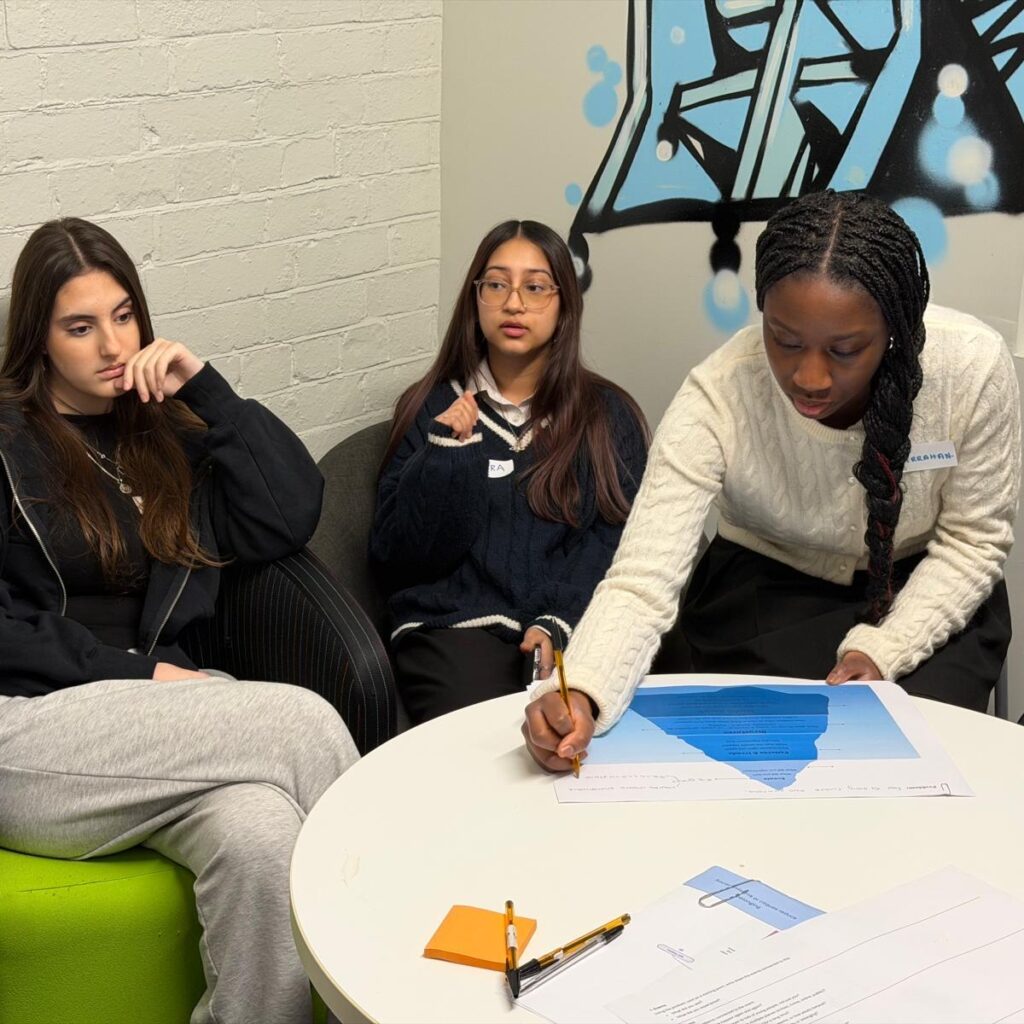
Building on the discussions from previous sessions, the group reviewed the different “system icebergs” they had created. These helped them explore not just the visible problems affecting young people’s wellbeing, but also the deeper patterns, structures, and beliefs that sit underneath them. Working in small groups, participants carefully discussed and prioritised the issues they felt had the greatest impact on young people’s mental health and wellbeing.
Using a simple but powerful voting activity, young people placed stars on the issues they believed mattered most. This sparked thoughtful conversations as they debated where meaningful change could happen and what problems should be tackled first.
The session then moved into identifying “pressure points” – areas where small changes could potentially create a much bigger positive impact. Young people explored different aspects of the system, including repeated events, patterns of behaviour, rules and structures, and the beliefs that influence how young people are treated or supported.
One of the most encouraging aspects of the session was seeing how the group worked collaboratively and respectfully, listening to each other’s experiences and perspectives. As the discussion progressed, it became clear that the young people were coming together with a shared sense of purpose, recognising that many of their experiences were connected and that their voices could help influence change.
By the end of the session, the group had successfully shortlisted several potential change areas that they believe could make a real difference. They also developed a series of important questions to help them explore these issues further and decide which area should become their main focus moving forward.
The session ended with a reflective discussion about what information they still need, what adults and services might know that young people don’t, and how young people themselves can play a leading role in shaping solutions.
As the programme continues, these insights will help guide the next stage of the work, where the group will share their thinking with a wider audience and continue developing ideas that could lead to real improvements for young people in Havering.