KAILO Session 7 – Selecting the Change Area and Visioning the Future
Session 7 of the KAILO programme marked an important milestone as the group worked together to agree their final priority area for change and began shaping their vision for what a better future could look like for young people. The session began with a review of feedback from the Big Circle, alongside the change areas the group had been exploring during previous sessions. This helped participants reflect on the different issues affecting young people’s wellbeing and consider where their ideas and experiences could have the greatest impact.
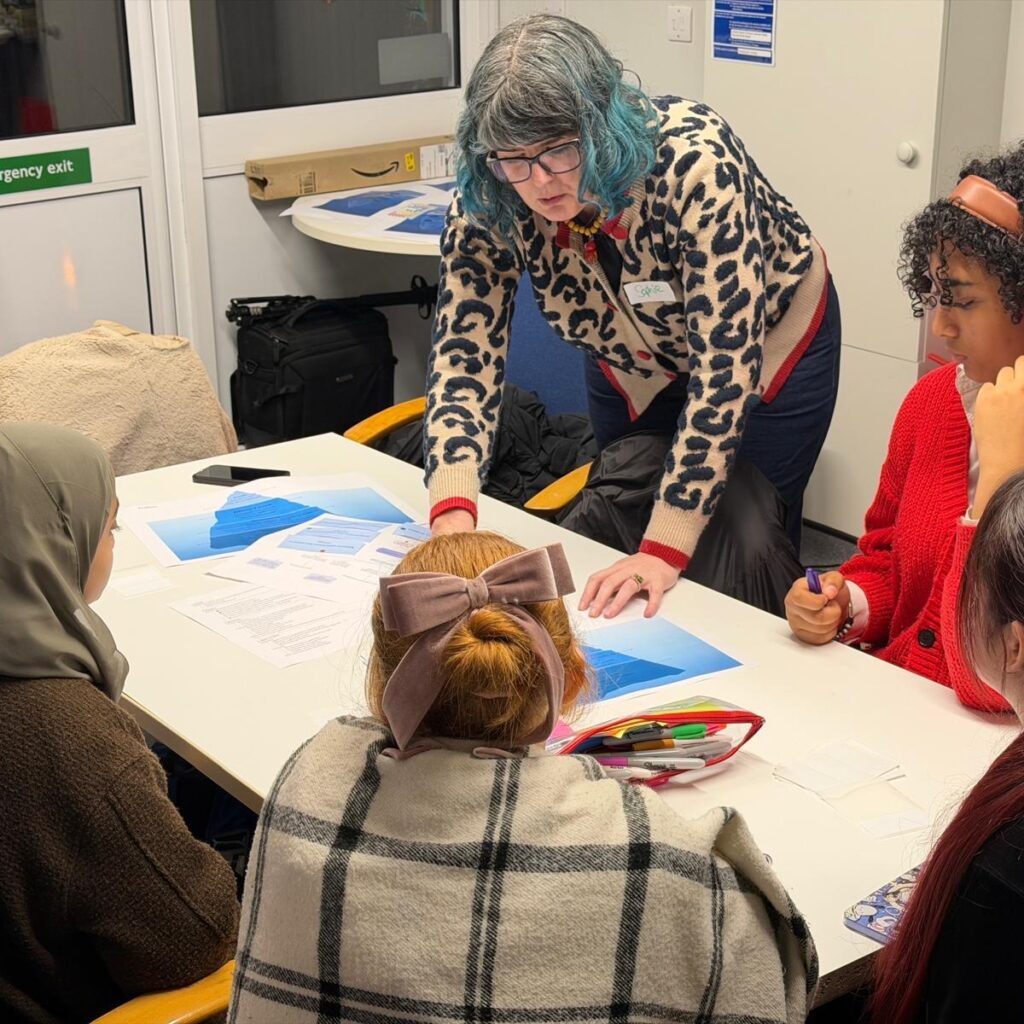
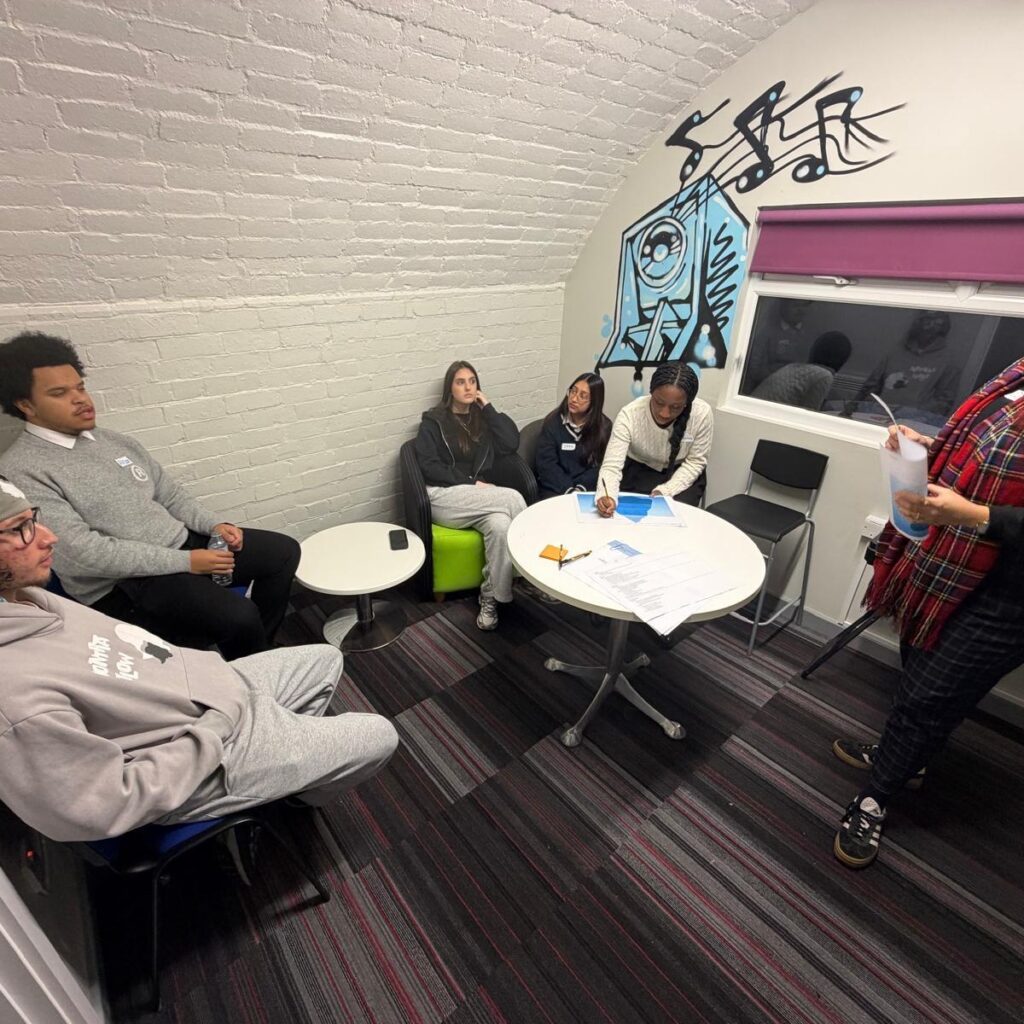
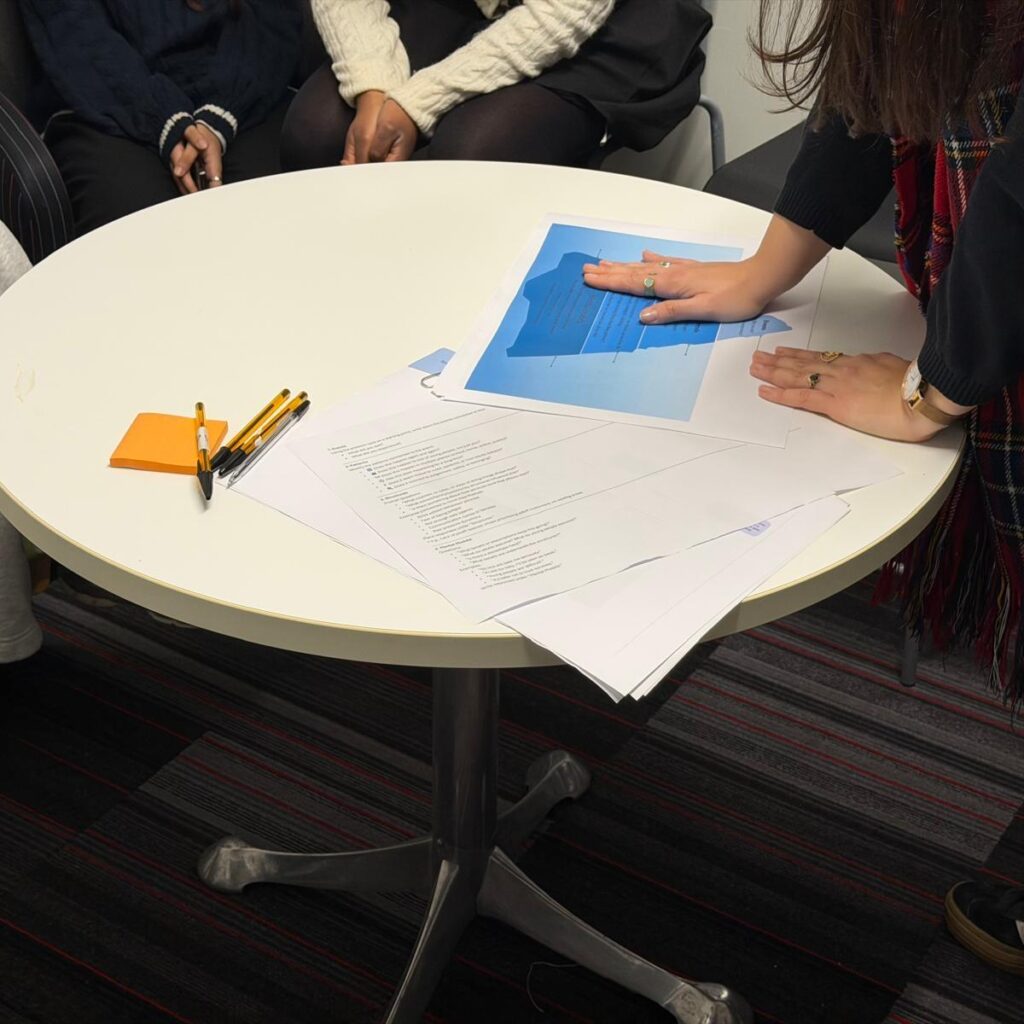
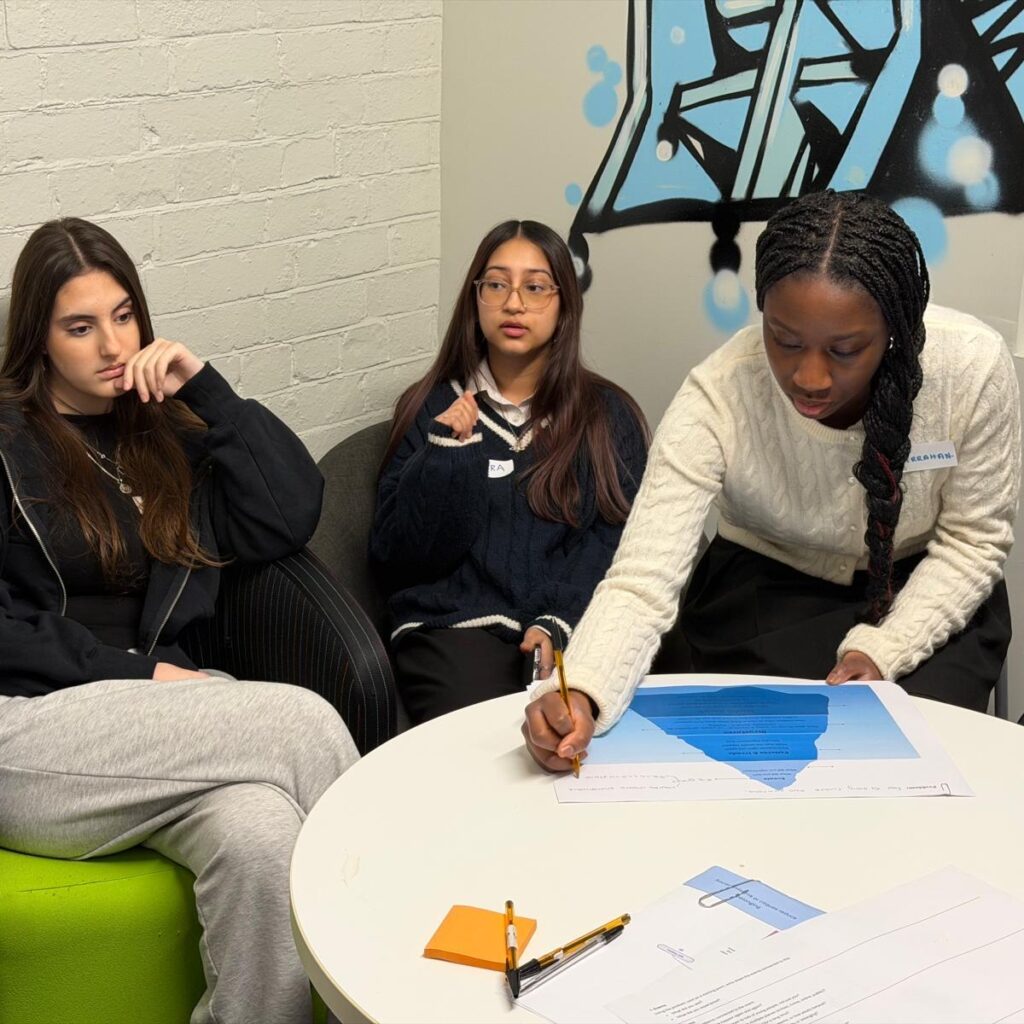
To support the decision-making process, the group took part in a structured voting and discussion activity. Young people first voted individually for the change areas they felt were most important. The remaining options were then explored in small groups, where participants discussed key questions around impact, feasibility, and the role of youth voice in shaping solutions.
Each group then presented short “lightning pitches,” explaining why their chosen area mattered and how change might be possible. Through open discussion and a final scoring process, the group collectively agreed on their priority change area, demonstrating strong collaboration and respect for each other’s perspectives.
Following the decision, the session moved into an exciting visioning activity. Working in small teams, young people created vision boards that illustrated what the future could look like if meaningful change was achieved in the chosen area. Using creative materials and discussion, they explored ideas for environments, opportunities, and support systems that would improve wellbeing for young people.
The activity sparked a great deal of energy and creativity within the room. As the young people shared their vision boards, it was clear that the group had begun to come together with a shared purpose, building on each other’s ideas and imagining practical ways that change could happen.
The session concluded with a discussion about next steps, including whether additional voices or external expertise might help strengthen the ideas being developed. Young people were encouraged to continue thinking about how their visions could begin to translate into real solutions before the next session.
This session represented a key turning point in the programme, as the group moved from exploring problems to actively designing the future they want to see for young people in Havering.