Unhappy young mother embracing upset little curly daughter with virus mask, sitting on windowsill at home, consoling sad preschool girl. Concept of coronavirus or COVID-19 pandemic disease symptoms

Mental Health, challenges in a post covid world

Coping with mental health challenges during and after the COVID-19 pandemic has been a significant concern for young people, including those under the age of 16, in London and around the world. The impact of the pandemic on young people’s mental health can vary widely, but several common themes have emerged:

Social Isolation: Lockdowns and social distancing measures have led to social isolation, which can be particularly challenging for young people. The lack of in-person social interactions with peers and teachers has been a source of stress and loneliness.

Disrupted Education: The closure of schools and the shift to remote learning have disrupted the educational routines of young people. This change can lead to increased stress, anxiety, and feelings of uncertainty about their academic progress.

Family Stress: The pandemic has brought about financial and emotional stress in many households. Young people may be affected by family issues, such as job loss, illness, or strained relationships.

Fear and Uncertainty: The uncertainty surrounding the pandemic, including concerns about personal and family health, can contribute to anxiety and stress in young people.

Digital Overload: Increased screen time due to remote learning, socializing, and entertainment can lead to digital fatigue and potential mental health challenges.

Access to Mental Health Services: Access to mental health services has been disrupted for some young people, leading to difficulties in seeking support.

To address these challenges, various organisation’s, schools, and healthcare providers in London have taken steps to support the mental health of young people:

Schools have been providing mental health and well-being resources, counselling, and support to students. They have also adapted their teaching methods to better address emotional and social needs.

Online Resources: Many organisations and mental health services have offered online resources and virtual counselling to ensure young people can access support from home.

Community Programs: Community organisations and youth centres have developed programs to engage young people and promote social connections.

Parental Support: Encouraging open communication between parents and young people is crucial. Parents can provide a supportive environment for discussing emotions and stressors.

Government Initiatives: The government and local authorities in London have implemented initiatives to support the mental health of young people and their families during and after the pandemic.

It’s essential for parents, teachers, and caregivers to remain vigilant and provide a safe space for young people to express their feelings and seek help when needed. If you or someone you know is struggling with mental health issues, it is advisable to reach out to mental health professionals or organisations that can provide the necessary support and resources. Additionally, it’s important to stay informed about the latest local mental health services and resources available in London.

In London, there are various resources available to support young people dealing with mental health challenges. Here are some organisations, helplines, and services that can provide assistance and guidance:

YoungMinds: YoungMinds is a UK-based charity that focuses on improving the mental health and emotional well-being of young people. They offer resources, information, and a helpline for young people and their families. Visit their website at YoungMinds.

Child and Adolescent Mental Health Services (CAMHS): CAMHS provides mental health support for children and young people in the UK. They offer assessments, treatments, and therapies. Referrals to CAMHS are typically made through a GP or school.

Kooth: Kooth is an online mental health platform for young people in the UK. It offers free, anonymous counseling and emotional support. You can access Kooth at Kooth.

MIND: offers a range of mental health services, including youth well-being services. They provide support for young people through various programs and resources.

Samaritans: While not specific to young people, Samaritans provides a 24/7 helpline for individuals in distress. You can call them at 116 123 (free from any phone) or visit their website at Samaritans.

Shout: Shout is a crisis text line available 24/7 for people in crisis. While not exclusive to young people, it can be a helpful resource. Text “SHOUT” to 85258 to connect with a trained crisis volunteer.

Off the Record: Off the Record provides mental health support to young people in South London. They offer counseling, workshops, and online resources. Visit their website at Off the Record.

Anna Freud Centre: The Anna Freud Centre offers a wide range of resources and services for children and young people’s mental health. They provide information, training, and support. Visit their website at Anna Freud Centre.

Local NHS Services: Many London boroughs have specific NHS services for child and adolescent mental health. You can inquire about these services through your GP or local healthcare provider

Local Support Services: Depending on the specific area within London, there may be local support services, youth centers, and community organizations that provide mental health support. It’s worth checking with your local council for information on these resources.

It’s important to remember that reaching out for support is a positive step, and there are professionals and organizations in London dedicated to helping young people with their mental health challenges. If you or someone you know is in crisis or requires immediate help, please contact emergency services or go to the nearest hospital.


 

Vaping flavored e-liquid from an electronic cigarette

Vaping, do you know what it is doing?

Vaping, or the use of electronic cigarettes (e-cigarettes), has become a growing concern, particularly among young people. The dangers associated with vaping in young people include:

Nicotine Addiction: Many e-cigarettes contain nicotine, which is highly addictive. Young people who start vaping may develop a dependence on nicotine, leading to cravings and withdrawal symptoms when they try to quit.

Brain Development: Adolescence is a critical period for brain development, and nicotine exposure during this time can have long-lasting effects on cognitive and emotional functions. It can impair memory, attention, and impulse control.

Respiratory Issues: Vaping can cause lung problems and increase the risk of respiratory illnesses. Cases of severe lung injury related to vaping have been reported, especially in those who use e-cigarettes with illicit or contaminated substances.

Gateway to Smoking: There’s a concern that vaping may serve as a gateway to traditional cigarette smoking. Young people who start with e-cigarettes may be more likely to transition to smoking conventional cigarettes.

Unknown Long-Term Health Effects: E-cigarettes are relatively new, and their long-term health effects are still being studied. There may be risks and consequences associated with vaping that are not yet fully understood.

In the UK, the law and regulations regarding vaping have evolved over the years to address these concerns and ensure the safety of young people. As of my last knowledge update in September 2021, the key laws and regulations related to vaping in the UK were as follows:

Age Restrictions: In the UK, it is illegal to sell e-cigarettes and vaping products to anyone under the age of 18.

Advertising Restrictions: Advertising of e-cigarettes is subject to strict regulations. It should not appeal to young people, and it must not make health claims that are not supported by evidence.

Product Safety: E-cigarette products must meet safety and quality standards. They should not contain harmful substances beyond specified limits.

Tank Size Limits: There are restrictions on the size of e-cigarette tanks to prevent excessive nicotine intake.

Notification to Regulators: Manufacturers and sellers of e-cigarettes must notify regulators about the products they intend to sell.

Packaging and Labeling: Vaping products must be adequately labeled with health warnings, and packaging should be child-resistant.

It’s important to note that regulations may have evolved since my last update in 2021. The UK government and health organizations continue to monitor and assess the impact of vaping and may implement further changes to protect public health, especially among young people. If you want to stay up-to-date with the latest vaping laws and regulations in the UK, it’s advisable to refer to official government sources or consult with relevant health authorities.

A person sitting on a table surrounded by pills. Concept of substance addiction. Generative ai

Do you understand Cannabis

Smoking cannabis, especially at a young age, can pose various risks and dangers to one’s physical and mental health. It’s important to note that the effects and risks of cannabis can vary depending on factors such as the individual’s age, frequency of use, the potency of the cannabis, and their overall health. Here are some potential dangers for young people smoking cannabis:

Impaired cognitive development: The brain continues to develop well into a person’s mid-20s, and cannabis use during this period can negatively impact cognitive functions, such as memory, attention, and learning. This is a particular concern for adolescents and young adults.

Mental health issues: Some individuals, especially those with a predisposition to mental health conditions,

may experience increased risk of anxiety, depression, and even psychotic disorders like schizophrenia with heavy cannabis use, particularly when initiated at a young age.

Dependency and addiction: While cannabis is not as physically addictive as substances like nicotine or opioids, some individuals can become psychologically dependent on it, leading to impaired daily functioning and difficulty quitting.

Academic and occupational problems: Regular cannabis use can result in poor school or work performance, decreased motivation, and difficulties in meeting responsibilities.

Risky behaviours: Cannabis can impair judgment and coordination, increasing the likelihood of engaging in risky behaviors, such as driving under the influence, unprotected sex, or other unsafe activities.

Lung problems: Smoking cannabis, like smoking tobacco, can have adverse effects on lung health. Inhaling the smoke can lead to chronic bronchitis and lung infections.

Decreased educational and career opportunities: Some employers and educational institutions have strict drug policies, and a positive drug test for cannabis could result in missed opportunities.

Legal consequences: In many places, cannabis is still illegal for recreational use, and young people may face legal consequences if caught using or possessing it.

Reduced life satisfaction: Excessive cannabis use can lead to social isolation, lower quality of life, and a decreased sense of well-being.

Risk of exposure to contaminants: In regions where cannabis is not regulated or from unverified sources, there may be risks associated with consuming contaminated or adulterated products.

Tolerance and escalating use: Over time, individuals may develop a tolerance to the effects of cannabis, which can lead to using higher doses, making it more challenging to control usage.

It’s important for young people to be aware of these potential dangers and make informed decisions regarding cannabis use. If a young person is struggling with cannabis use or experiencing negative consequences, it’s essential to seek help from a healthcare professional or counselor who can provide guidance and support. Additionally, education and open communication between parents, caregivers, and young people are crucial for addressing these risks and promoting responsible decision-making.

Source

Drug addiction: getting help

If you need treatment for drug addiction, you’re entitled to NHS care in the same way as anyone else who has a health problem.

With the right help and support, it’s possible for you to get drug free and stay that way.

Where to get help for drugs

A GP is a good place to start. They can discuss your problems with you and get you into treatment.

They may offer you treatment at the practice or refer you to your local drug service.

If you’re not comfortable talking to a GP, you can approach your local drug treatment service yourself.

Visit the Frank website to find support near you.

If you’re having trouble finding the right sort of help, call the Frank drugs helpline on 0300 123 6600. They can talk you through all your options.

Charity and private drugs treatment

As well as the NHS, there are charities and private drug and alcohol treatment organisations that can help you.

Visit the Adfam website page, Finding Support, to see a list of useful organisations.

Private drug treatment can be very expensive, but sometimes people get referrals through their local NHS.

Source

ambition project

Ambition Project, work with Folkestone & Hythe Council to empower young people

The Ambition Project is designed to help young people develop a set of life skills to help them engage and showcase their best possible selves. It sets out to assist young people to lead more fulfilled lives and progress in education and their own personal development pathway. It will also assist to enhance the relationship with themselves and others.

Learning modules will include:

Developing confidence and self esteem

Don’t beat yourself up! Learning about self-handicapping behaviour

Consequential thinking – Your choice, Your future

Controlling your impulses – choice points, long term benefit v short term gains

Make it happen – raising your standards, dealing with failure, change requires action.

Youth Unity Clacton Detached Youth Work

Detached Youth Work on
the Percy King Estate, Clacton

Youth Outreach work in the community.

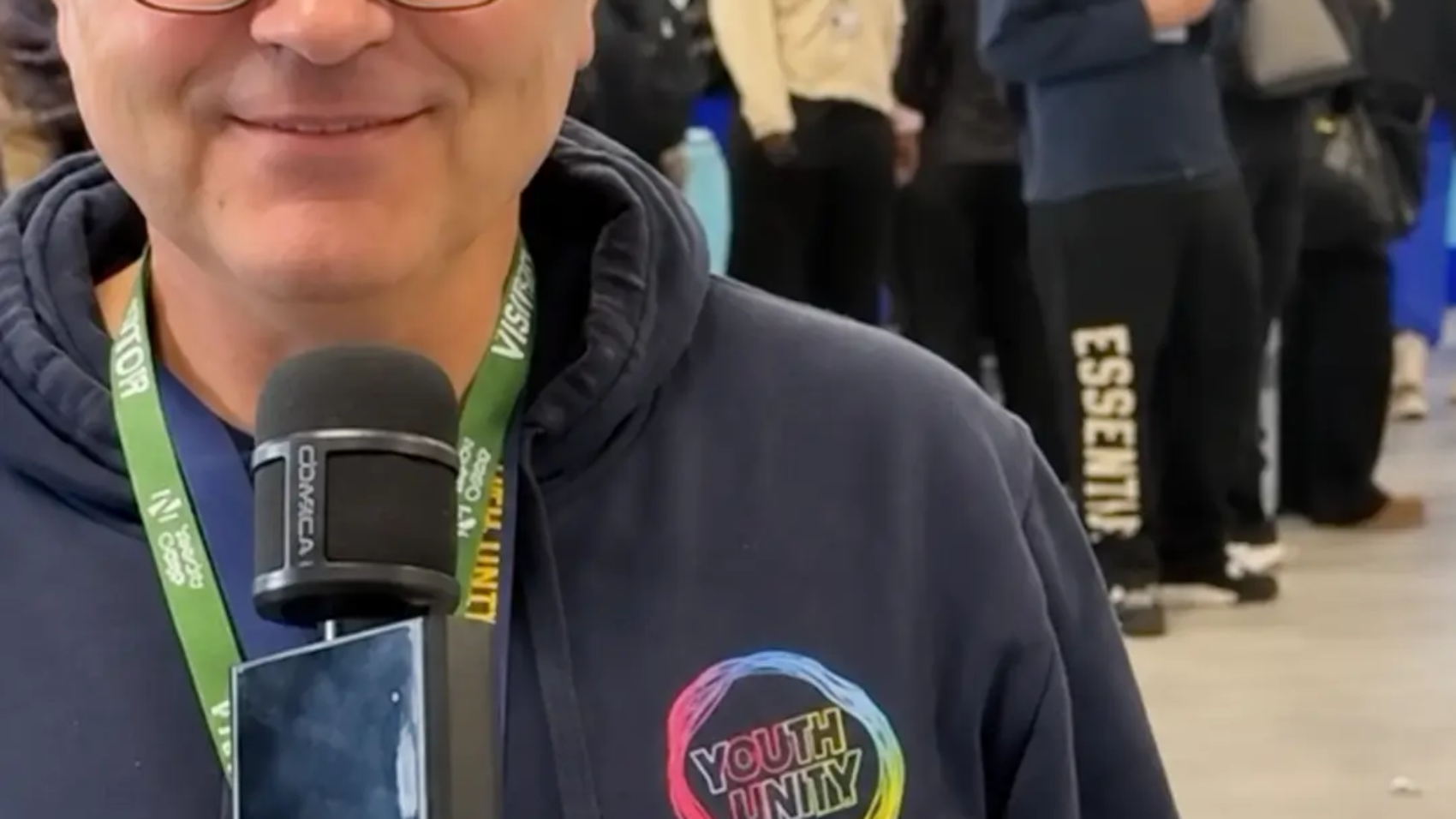
Youth Unity outreach service functions as a secure haven catering to the needs of young individuals and is conveniently situated on Percy King Estate, Langham Drive, Clacton-on-Sea.

Every Tuesday 3pm to 6.30pm – FREE to attend all ages are welcome, both boys and girls.

Its central focus centres on involving young people all aimed at fostering a robust sense of community among the youth. We encourage sports, we found a game of football is always appreciated, but we cater for all, and tend to let the young people decide on the activity of the week.

In close partnership with Essex Council for Voluntary Youth Services.

Our primary objective is to establish a secure and welcoming space within the community, providing an opportunity for the community to unite and gain a deeper understanding of the youth and their requirements. Often, young people find themselves without guidance or suitable destinations, and Youth Unity is dedicated to offering prospects and directing them to other engaging activities.

Our goal is to provide valuable direction and advice by pointing towards various activities within the local vicinity. Additionally, we extend assistance and guidance on topics that hold significance for both young individuals and parents.

Screenshot 2025-11-27 at 08.14.01

Nick Darvill
Senior Project Lead

With an impressive 40-year career dedicated to public service and youth intervention, Nick brings unparalleled expertise to supporting young offenders, victims of crime, and families affected by violence. His journey began with a distinguished 30-year tenure in the Metropolitan Police Service, where he developed a deep understanding of the challenges facing vulnerable young people and communities impacted by crime.
 
During his policing career, Nick became the national project lead for DIVERT, a pioneering custody intervention programme for 18–25-year-olds. DIVERT provides tailored pathways into education, apprenticeships, and employment with the aim of reducing re-offending. Supported by the Home Office and the Mayor’s Office, the programme places skilled intervention coaches in custody suites across London. Under Nick’s leadership, these coaches consistently demonstrated courage and dedication, engaging young adults at critical and often life-changing moments, and continuing their support long after release.
 
Following his police service, Nick spent six influential years leading and expanding the crime reduction programme at the highly regarded Charlton Athletic Community Trust. This role, the first of its kind across both The Premier League and Football League, redefined how professional football clubs work with hard-to-reach young people. Nick successfully delivered and managed interventions funded by The Football Foundation and the Premier League Charitable Fund, and his expertise earned recognition from The Premier League Kicks management board and MOPAC (Mayor’s Office for Policing & Crime).
 
As part of the award-winning Kickz Management Team, a collaboration between The Football Foundation and the Metropolitan Police Service, Nick played a pivotal role in enhancing a football-based diversionary project designed to support at-risk young people. His ability to combine criminal justice insight with sports-based engagement made him an invaluable asset to the programme’s development.
Holding the prestigious UEFA ‘A’ Football Coaching Licence and serving as an active member of the FA Coaches Association, Nick also brings extensive coaching experience from his work with West Ham United and Charlton Athletic Youth.
 
Driven by a lifelong commitment to improving outcomes for young people, Nick’s depth of experience, innovative thinking, and trusted partnerships position him as a leading figure in tackling youth violence and creating safer, stronger communities.
Young host streaming his live podcast using professional microphone at small broadcast studio

Podcasting Workshops

Podcasting is not just a medium for entertainment;
it's a powerful tool for education, empowerment, and community building.

Podcasting workshops tailored for young people under the age of 16 offer an exciting and educational journey into the world of digital storytelling. These workshops provide a creative platform for participants to explore their voices and share their unique perspectives. Through hands-on activities, young podcasters learn the basics of storytelling, scriptwriting, and audio editing in a fun and engaging environment.

The workshops cover fundamental podcasting skills, including microphone techniques, voice modulation, and sound editing. Participants also gain insights into the art of interviewing, allowing them to conduct conversations and share compelling narratives. Emphasis is placed on digital citizenship, promoting responsible and ethical podcasting practices.

In addition to technical skills, these workshops foster critical thinking as young podcasters explore diverse topics and learn to express their thoughts and opinions effectively. Collaborative activities encourage teamwork and communication, enhancing both creativity and interpersonal skills.

The final highlight of these workshops is the creation of participants’ own podcast episodes. This hands-on experience allows young podcasters to showcase their newfound skills and share their unique stories with a wider audience.

Ultimately, these podcasting workshops for young people under 16 serve as a dynamic platform for self-expression, skill development, and community building, empowering the next generation of storytellers and content creators.

A podcast workshop is a dynamic and interactive session that equips participants with the skills and knowledge needed to create their own podcasts. The workshop typically covers various aspects of podcasting, including:

Introduction to Podcasting: Young People are introduced to the concept of podcasting, its history, and its impact in the digital landscape.

Understanding Podcast Formats: Our workshops often explore different podcast formats, such as interviews, storytelling, panel discussions, and more. Young People learn about the unique characteristics of each format and choose the one that aligns with their goals.

Audio Recording Techniques: Practical sessions may involve learning how to use recording equipment, including microphones and audio editing software. Young People explore proper recording techniques, voice modulation, and background noise reduction.

Editing and Post-Production: The workshop covers the basics of audio editing, including cutting, splicing, and enhancing audio quality. Young People gain hands-on experience with editing software to refine their recorded content.

Podcast Branding and Promotion: Workshops often touch on the importance of branding and promoting a podcast. This includes creating eye-catching cover art, writing compelling descriptions, and understanding strategies for reaching a wider audience.

Legal and Ethical Considerations: Young People learn about copyright issues, permissions, and ethical considerations related to podcasting. This section may also cover topics such as obtaining music licenses and respecting privacy.

Distribution Platforms: The workshop introduces various podcast hosting platforms and guides participants through the process of uploading and distributing their episodes. This includes understanding RSS feeds and maximizing reach through popular podcast directories.

Practical Recording Sessions: Depending on the workshop’s format, Young People may engage in practical recording sessions, allowing them to apply the skills they’ve learned and receive real-time feedback from the facilitator and peers.

Q&A and Feedback: The workshop typically concludes with a Q&A session, providing Young People with the opportunity to seek clarification on any aspects of podcasting.

By the end of a podcast workshop, Young People should feel confident in their ability to plan, record, edit, and promote their own podcast episodes, equipped with practical skills and a deeper understanding of the podcasting landscape.

Criminal bandit watches victim in dark alley. Man is preparing to commit an attack to people. Generation AI.

Groomsafe / Criminal Exploitation Awareness

“Breaking the Chains: Empowering Against County Lines and Gang Influence”

Objective: Our workshop aims to provide participants with a comprehensive understanding of the signs, risks, and impacts associated with county lines operations and gang activities. We believe that knowledge is a powerful tool, and by empowering individuals with the right information, we can collectively work towards building a safer and more resilient community.

Key Workshop Highlights:

Insightful Presentations: Engaging presentations led by experienced facilitators will provide an in-depth look into the dynamics of county lines and the strategies employed by gangs.

Interactive Discussions: Participants will have the opportunity to engage in open and honest discussions, sharing their perspectives and experiences, fostering a sense of community awareness.

Real-Life Case Studies: The workshop will include real-life case studies to illustrate the complexities of county lines operations, and criminal exploitation vulnerability allowing participants to grasp the challenges faced by individuals and families in our community.

Prevention and Intervention Strategies: Practical strategies for recognising early signs of gang involvement and effective community-based intervention approaches will be discussed.

Community Building: The workshop will encourage young people to actively contribute to the creation of a safe and supportive environment, promoting resilience and solidarity.

This workshop is not just about raising awareness; it’s about equipping our young people with the knowledge and tools needed to take proactive steps in preventing and addressing the influence of county lines and gangs.

We believe that by investing in education and awareness, we empower individuals to protect themselves and their loved ones, fostering a community that is resilient in the face of adversity.

Sankt-Petersburg Russia November 11, 2017: Apple iPhone 7 on wooden table with icons of social media facebook, instagram, twitter, snapchat application on screen. Smartphone Starting social media app.

Social Media Awareness

Workshops centered on social media provide a crucial space for individuals to navigate the digital landscape responsibly. Tailored for various age groups, these sessions delve into the dynamics of online communication, digital citizenship, and the impact of social media on mental health. The workshops also address cyberbullying, emphasing the importance of empathy and digital resilience. By fostering a thoughtful and informed approach to social media, these workshops empower individuals to harness the positive aspects of online platforms while navigating potential challenges with confidence and awareness.

Additionally, these workshops explore the ever-evolving trends and features of popular social media platforms, equipping participants with practical skills for managing their online presence effectively. The sessions highlight the significance of privacy settings, digital footprints, and the responsible sharing of personal information. Participants learn to distinguish between credible and misleading online content, promoting critical thinking and media literacy.

Moreover, the workshops delve into the role of social media in shaping societal narratives, fostering discussions about the influence of digital media on perceptions and attitudes. Interactive activities and real-life case studies further engage participants, encouraging them to apply their newfound knowledge in real-world scenarios.

In essence, these workshops extend beyond merely understanding the functionalities of social media; they cultivate a holistic and proactive approach to digital citizenship. By providing practical tools, fostering critical thinking, and promoting responsible online behavior, these sessions empower individuals to navigate the digital world confidently, ensuring a positive and enriching online experience for all.

PM

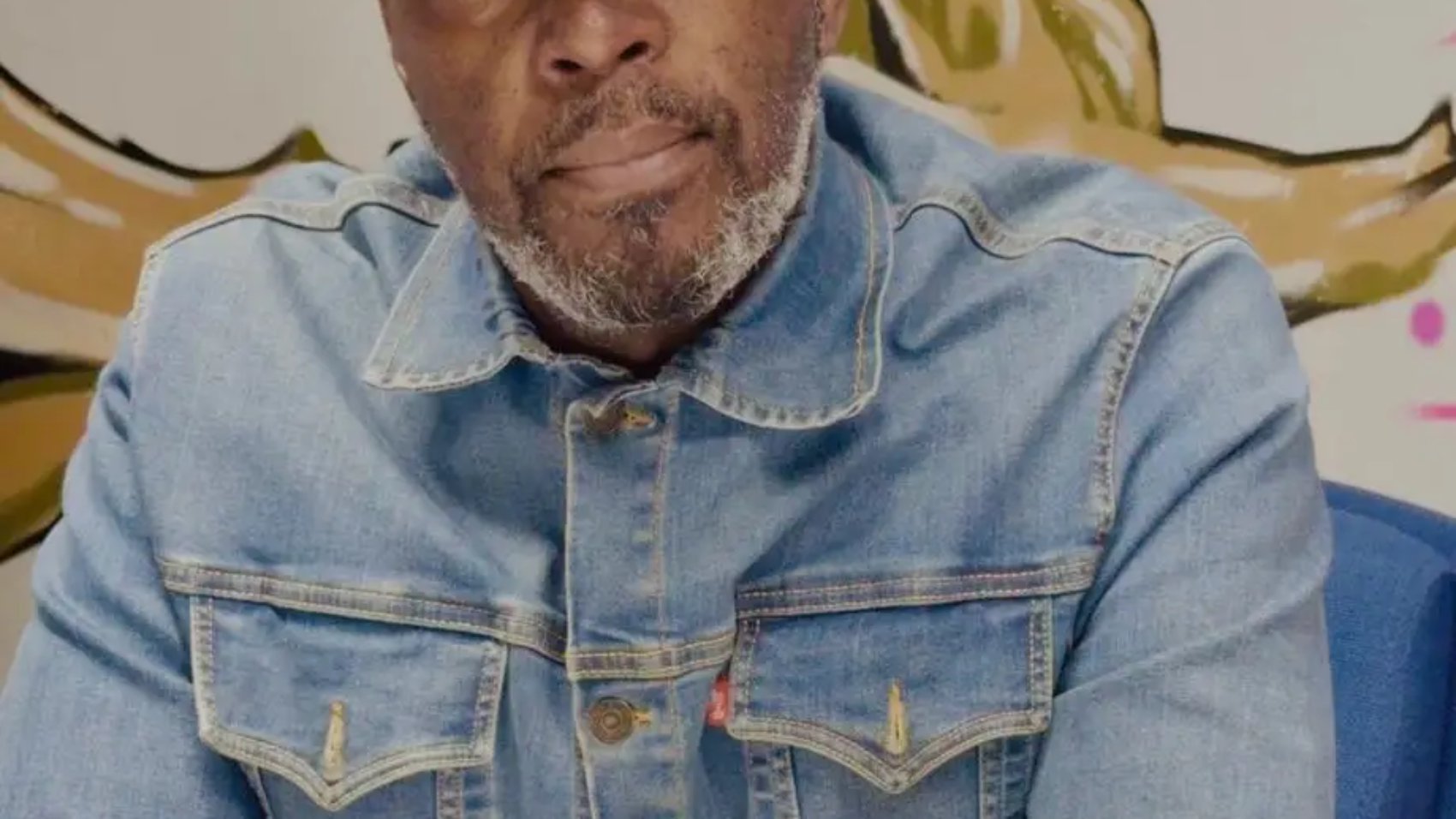
Paul McKenzie
Creative Lead

Paul is a Youth Professional, Videographer, and Public Speaker who has dedicated the past twenty-five years to positively impacting the lives of countless individuals.

With an unwavering commitment to working with young people from diverse backgrounds, Paul has curated a series of engaging workshops and compelling talks that directly address the challenges facing today’s youth. These thought-provoking sessions delve into crucial topics, empowering young individuals to navigate and overcome obstacles prevalent in our society.

Paul’s influence extends even further through his captivating short films and informative videos, reaching thousands of young people, parents, and professionals. Widely accessible on social media and other platforms, his video content is widely utilised in educational institutions, colleges, and statutory organisations. Covering critical subjects such as serious youth violence, grooming, and drugs awareness, his videos serve as valuable resources, aiding in the exploration of solutions to these pressing issues.

Ultimately, Paul’s overarching goal is to create inclusive spaces for young people to recognise and unleash their untapped potential through transformative, creative projects. By inspiring broader change, he remains proud of his contributions in addressing specific issues that profoundly impact communities and shaping a brighter future for our youth.