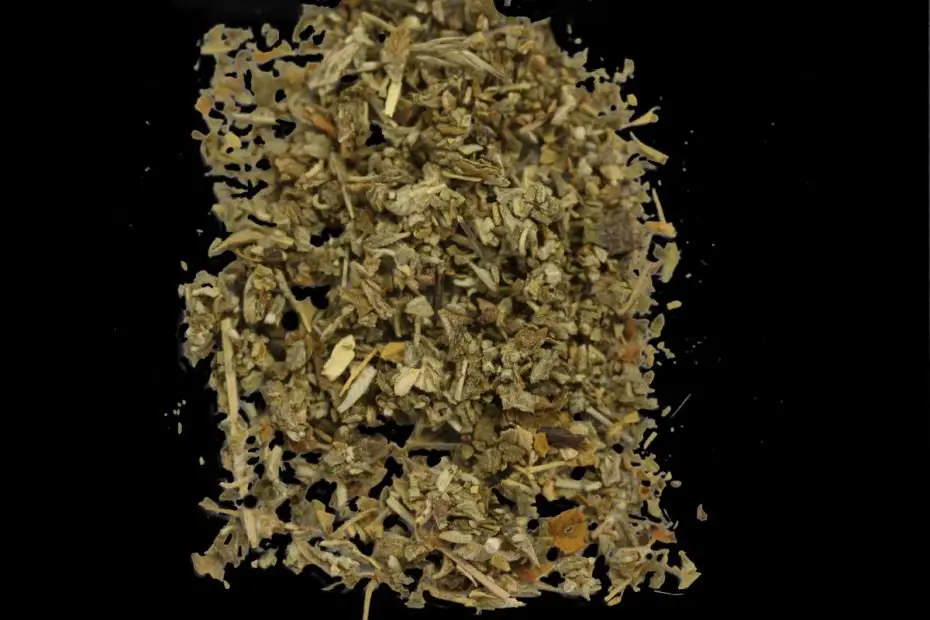
Spice.
Not weed. Not safe.
Spice is a man-made drug designed to copy the effects of cannabis, but it can be far stronger and much more unpredictable. More and more, it is turning up in vapes, sweets and weed sold to young people as “THC”. This guide explains what spice is, its effects, its dangers, and what to do if someone is unwell.
You can’t see, smell or taste spice. Sold as “THC” doesn’t mean it’s THC.
What is spice?
Spice is the common name for synthetic cannabinoids: chemicals made in labs that act on the same parts of the brain as cannabis. Unlike cannabis, they are not from a plant, and many types are much more powerful.
The chemicals are made as a powder, then dissolved and sprayed onto dried plant material, paper or herbal cannabis, or added to vape liquids, sweets and edibles.
Because the chemicals keep changing and the amount sprayed on is uneven, two puffs from the same bag or vape can have completely different effects. Nobody can know how strong it is, not even the person selling it.
Closer to home than you think.
The effects
Some people feel relaxed or “out of it” at first. But spice can quickly cause serious effects on the mind and body, sometimes after just a few puffs.
Mental effects
- Extreme anxiety and panic attacks
- Paranoia, hallucinations and delusions
- Confusion and memory problems
- Aggressive or violent behaviour
- Psychosis, and thoughts of self-harm or suicide
Physical effects
- A racing heart, chest pain and high blood pressure
- Feeling very sick and being sick
- Losing control of movement, or becoming “zombie-like” and unable to move
- Seizures (fits)
- Collapsing and losing consciousness
Why spice is so dangerous.
Far stronger than cannabis
Many synthetic cannabinoids act on the brain much more strongly than the THC in cannabis, so it is easy to take a dangerous amount.
Unpredictable
The chemicals and strength change from batch to batch. Even people who have used it before can be caught out.
Hidden in other products
Young people are taking spice without knowing it, in vapes and sweets sold as THC or cannabis.
Highly addictive
Spice can be very addictive. People who stop can have strong cravings, sweating, sickness, anxiety and trouble sleeping.
Deadly when mixed
In most spice-related deaths, other substances were also involved, most often alcohol. Mixing spice with anything greatly raises the risk.
Debt and exploitation
Spice is cheap, which makes it easy to get hooked and fall into debt with dealers, who may then pressure young people into crime.
Act fast. It can save a life.
999 Call an ambulanceCall 999 straight away if someone:
- !Collapses or can’t be woken
- !Has a seizure (fit)
- !Has chest pain or difficulty breathing
- !Is extremely confused, paranoid or a danger to themselves or others
What to do
- Call 999 and tell them what you think they have taken. Be honest. Paramedics are there to help.
- If they are breathing but unresponsive, put them on their side in the recovery position.
- If they are having a seizure, move things away so they don’t hurt themselves. Don’t hold them down or put anything in their mouth.
- Stay with them, keep them calm, and keep checking their breathing.
- Keep the vape, sweets or packaging to show the paramedics.
Don’t leave them alone to “sleep it off”, and don’t give them alcohol or other drugs.
The law
Spice and other synthetic cannabinoids are Class B drugs, the same as cannabis. They are illegal to have, give away or sell.
Possession can lead to up to 5 years in prison, and supplying, including sharing with friends, up to 14 years.
Spice was once sold as a “legal high”, but that hasn’t been the case for years.
Get support
Free and confidential help for young people and families in London, Essex and Kent.
Anywhere, any time
FRANK
Honest, confidential information about spice, cannabis and other drugs for young people and parents.
0300 123 6600 · text 82111Visit website →Under 19s · 24/7Childline
Free, confidential support about drugs, pressure, or anything else that’s worrying you.
0800 1111Visit website →Urgent medical adviceNHS 111
If someone feels unwell after using spice and it isn’t an emergency. In an emergency, call 999.
111Visit website →100% anonymousFearless (Crimestoppers)
Tell Fearless anonymously about drug dealing or young people being exploited.
0800 555 111Visit website →For familiesAddiction Family Support
Support for parents and family members affected by a loved one’s drug use.
0300 888 3853Visit website →Legal adviceRelease
Free, confidential advice on drugs and the law for young people and families.
020 7324 2989Visit website →London
Wize Up Havering (Change Grow Live)
Free, confidential drug and alcohol support for young people in Havering and their families. Monday to Friday, 9am to 5pm.
07920 807 726Visit website →Every London boroughFind your local service
Each London borough has its own free young people’s drug and alcohol service. Enter your postcode on FRANK to find yours.
Search by postcode →Essex
Essex Young People’s Drug and Alcohol Service
Run by The Children’s Society. Covers Essex, apart from Southend and Thurrock. Young people can refer themselves.
01245 493311Visit website →SouthendSouthend Young Person Drug and Alcohol Service (Open Road)
Support for young people in Southend. Parents and carers of under-18s can refer online.
01702 431889Visit website →ThurrockThurrock Young Person Drug and Alcohol Service (Open Road)
Support for young people under 18 in Thurrock.
Visit website →Kent
We Are With You: Kent for Young People
Free, confidential support for young people in Kent. Young people can refer themselves, and parents can make a referral.
01795 500881Visit website →MedwayMedway young people’s service
Medway has its own service, separate from Kent. Enter your postcode on FRANK to find it.
Search by postcode →Sources
- Forward Trust: Synthetic cannabinoids found in vapes in Greater London
- College of Policing: Spice vapes in schools
- St George’s, University of London: Deaths involving synthetic cannabinoids in England
- ACMD: Synthetic cannabinoid receptor agonists
- Home Office: Synthetic cannabinoids and the law
- FRANK: Cannabis
This guide is for general information and does not replace medical or legal advice. Statistics and service details were checked in October 2026 and may change. In an emergency, always call 999.