Week 10: Developing the Idea Further
Where we got to
In this session, we moved from having a strong idea to starting to understand how it would actually work in practice.
The focus was on taking what had been discussed in previous weeks and adding more detail — thinking about what needs to happen, who needs to be involved, and what young people would experience step by step.
What we focused on
We started by recapping the idea that had been developing around improving access to youth employment opportunities.
This includes:
- Better connections between schools and local businesses
- More accessible work experience and part-time opportunities
- Support with practical skills like CV writing and interview preparation
From there, the session focused on developing this idea further through a series of activities.
Mapping how the idea works
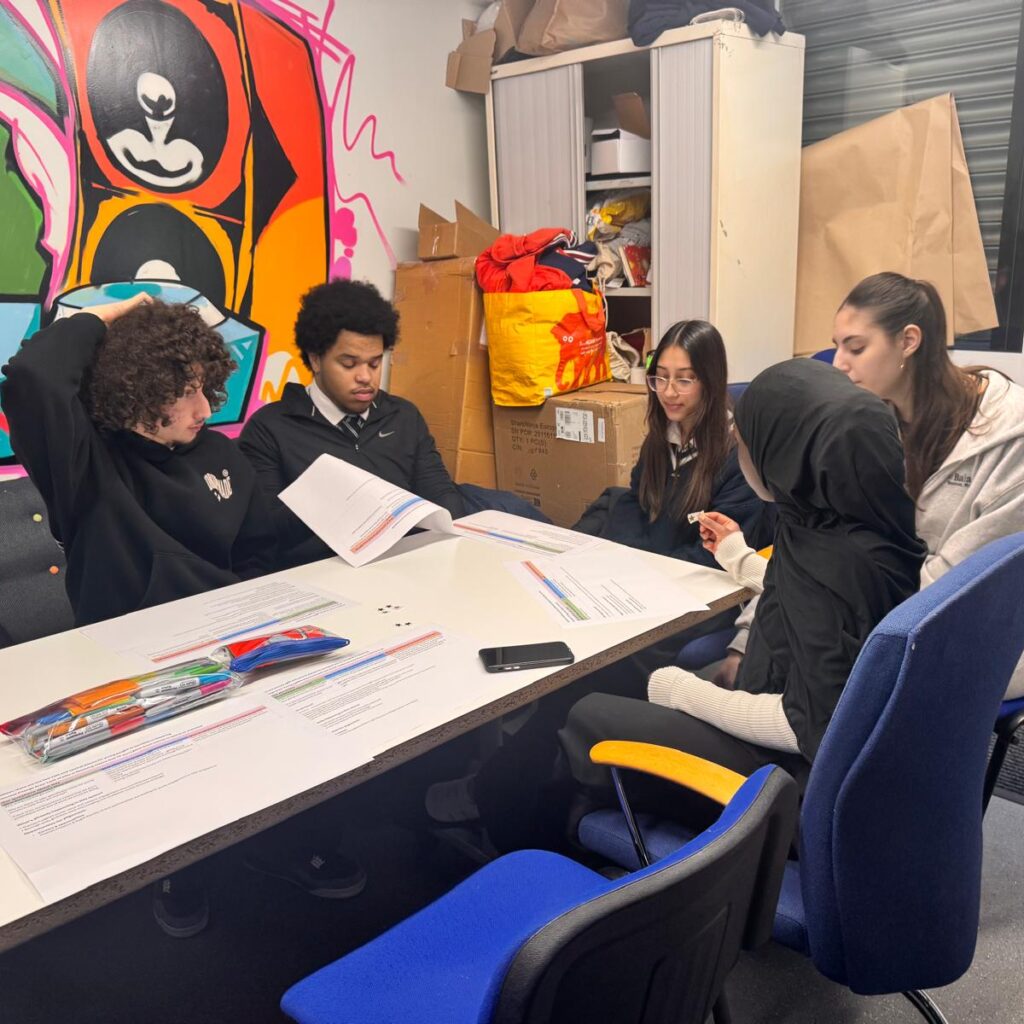
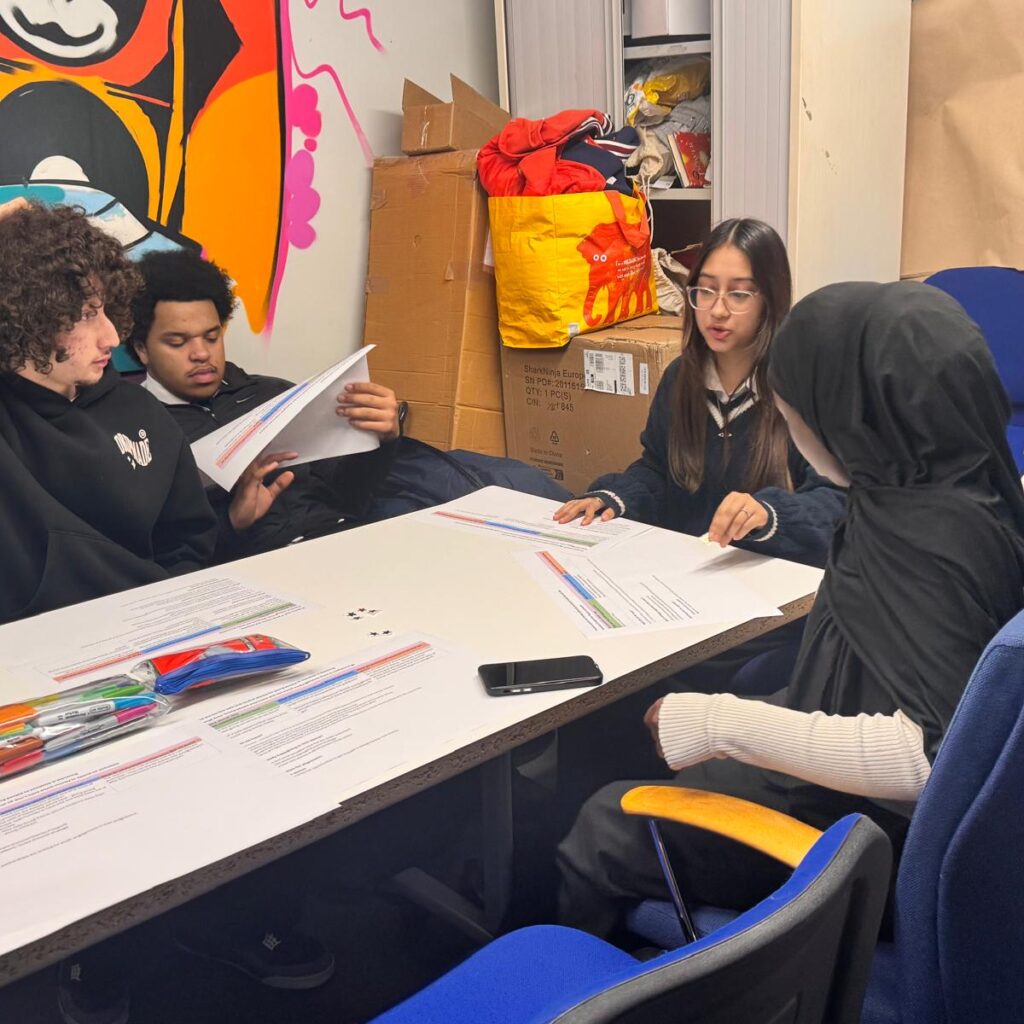
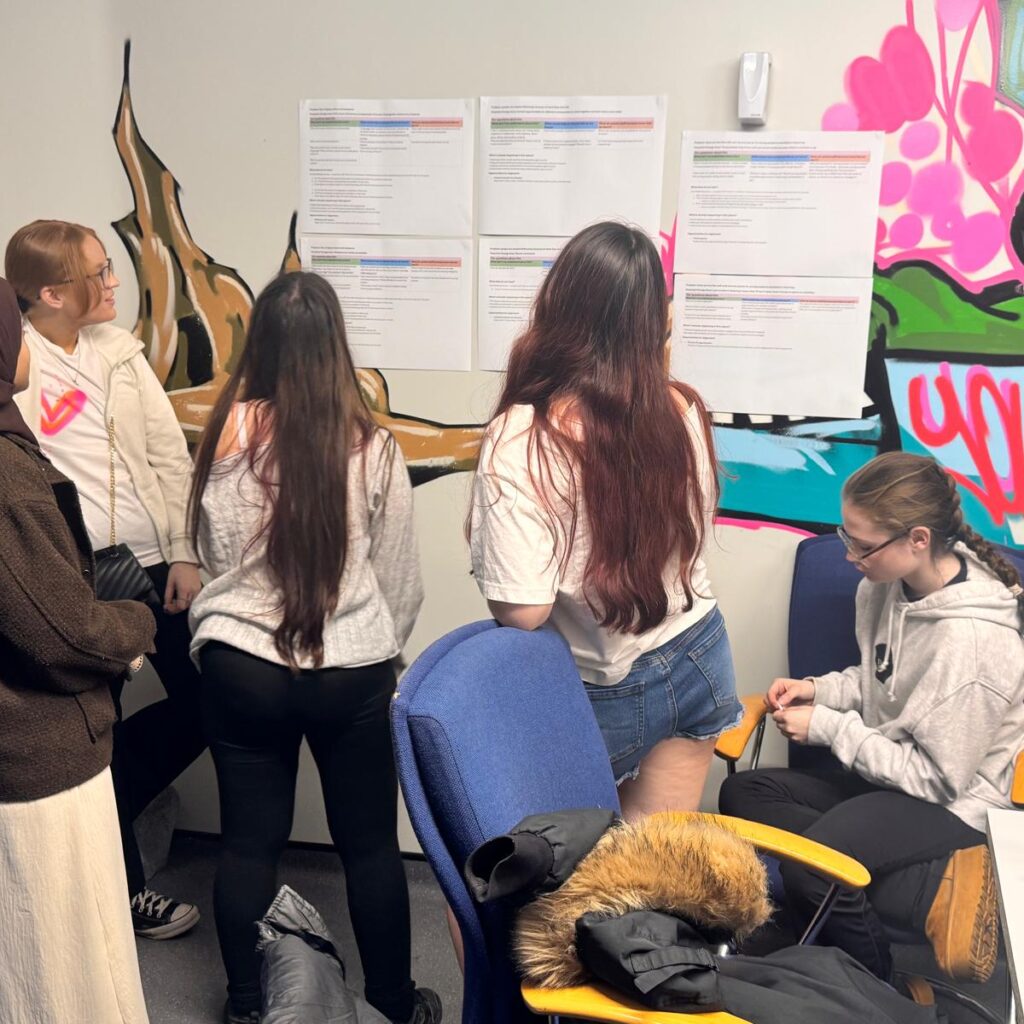
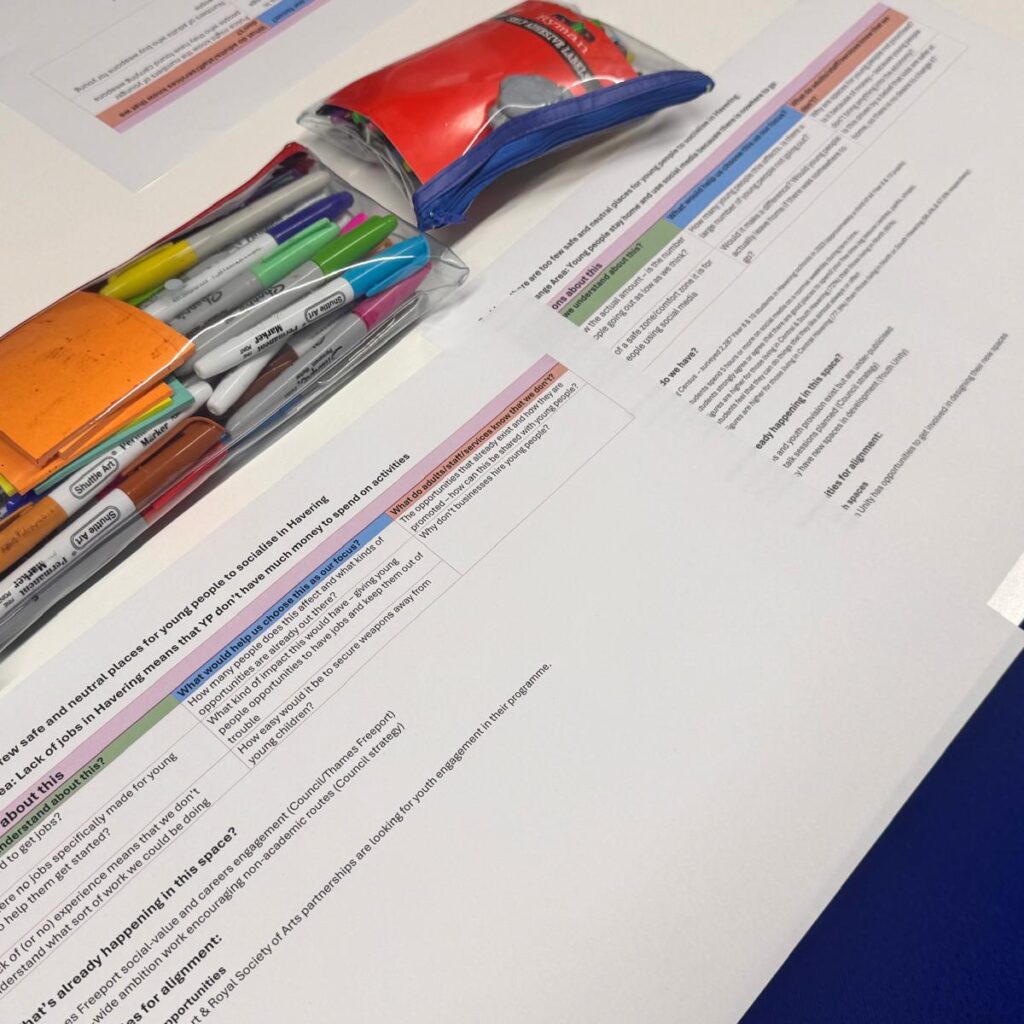
The first activity was a Service Blueprint Lite, where young people mapped out how the idea would work in the real world.
They explored:
- The journey of a young person from first hearing about the opportunity through to completing a placement
- What schools would need to do at each stage
- What would be required from businesses
- The tools and resources needed to support the process
This helped highlight where things might work well, but also where there could be gaps or challenges .
Identifying what really matters
We then moved into prioritising the different parts of the idea using a MoSCoW approach.
Young people worked through:
- What the idea must have to function
- What would be useful but not essential
- What could be added later
This helped shift the thinking from a broad idea to something more realistic and achievable, particularly when considering real-life constraints such as time, resources, and access .
Bringing the idea to life
The final part of the session focused on storyboarding.
Young people created simple visual journeys showing:
- How a young person would first come across the opportunity
- The steps they would take to get involved
- How they might feel at different stages
- What support they would need along the way
This helped move the idea from something conceptual to something more tangible, highlighting both the experience and potential barriers.
What we noticed
A few key themes came through during the session:
- The importance of making opportunities easy to find and access
- The need for clear communication between young people, schools, and businesses
- The role of support at key moments, particularly when confidence is low
- The importance of keeping things simple and realistic, especially for businesses and schools
There was also a strong focus on ensuring that the idea works for young people who may face additional barriers.
What we’re taking forward
By the end of the session, we had:
- A clearer understanding of how the idea could work in practice
- A set of prioritised features for a first version
- Initial storyboards showing the young person’s experience
This gives us a strong foundation to move into the next stage.
Next steps
The next session will focus on stepping back and reflecting on the idea as a whole.
We will:
- Review what has been developed so far
- Think about how to clearly describe the idea to others
- Identify who we want to share it with
- Develop questions to gather feedback
This will help us test the idea more widely and continue refining it based on real input