Small Circle Session 4: Mapping the System Part 2
Date: 28 January 2026
Time: 4:30pm – 7:00pm
Location: Youth Unity / Kailo session space
Session focus
In Session 4, the group continued their system-mapping work, building on the 5 Whys and root-cause analysis from the previous week. The aim was to move beyond individual experiences and explore the patterns, structures and beliefs that sit underneath the issues young people face — particularly around belonging, safety and opportunity.
This session used the Systems Iceberg model to help young people understand how visible events are shaped by deeper, often hidden, factors.
What we set out to do
The aims of this session were to:
Help young people see how the issues they identified link to wider systems
Explore patterns and structures that repeatedly affect their lives
Deepen earlier discussions rather than rushing to solutions
Ensure no important issues were missed from the group’s mind-mapping work
By slowing the process down, the group were encouraged to think critically about why challenges keep happening — not just what happens.
Check-in and reflection
We began with a simple one-word check-in, giving each young person space to reflect on how they were arriving that day. This helped ground the group and acknowledge that everyone brings different experiences into the room.
The group then revisited photographs they had shared previously, using them as prompts to discuss:
Why they chose that image
Whether it represented something positive or something that needs to change
How it connected to the issues on the shared maps
This discussion helped bridge personal experience with collective understanding.
Building on last week’s work
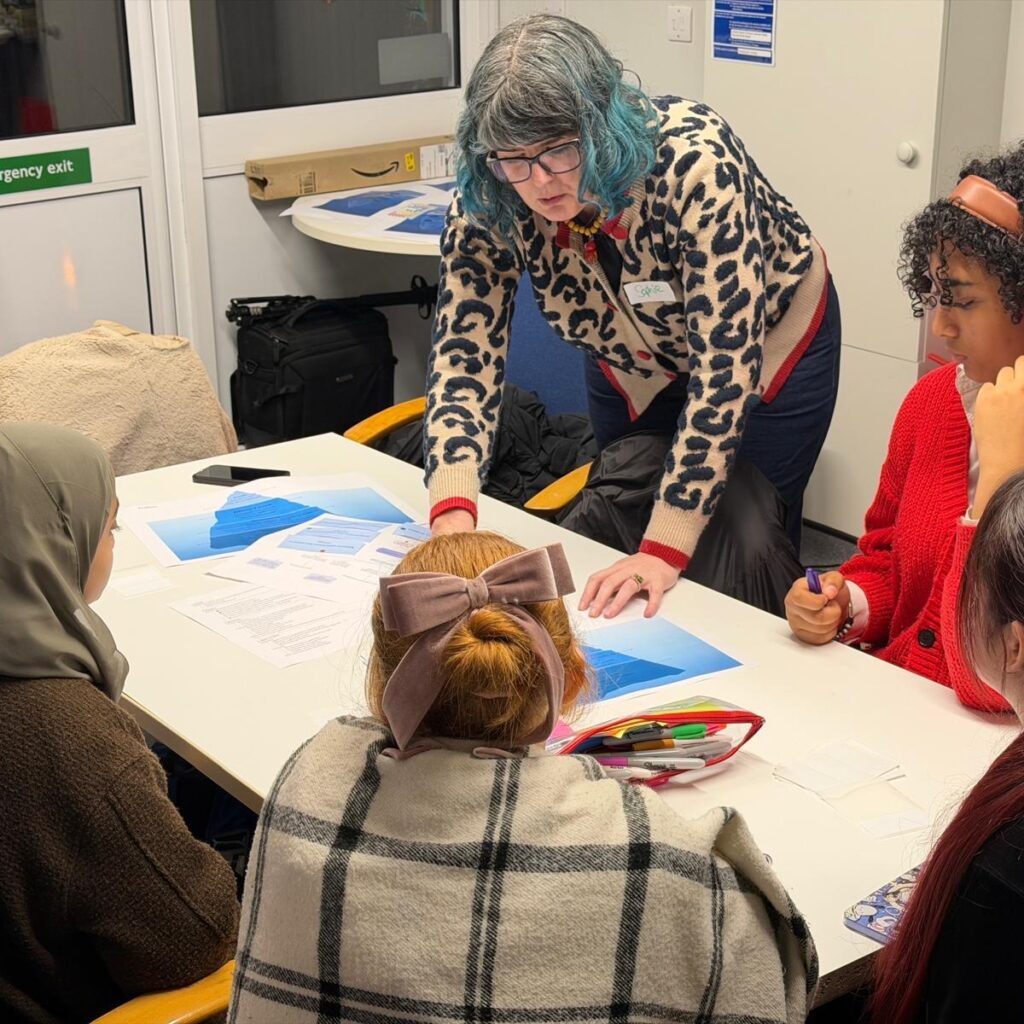
Young people revisited the mind maps, problem statements and icebergs created in Session 3. Individually, they reflected on which issue they felt most strongly about and whether it had already been explored in depth.
They were invited to:
Add to existing icebergs where deeper discussion was needed
Identify new issues that hadn’t yet been examined
Use post-its to capture thoughts without pressure to speak immediately
This approach ensured quieter voices were included and gave the group ownership over what was prioritised.
Mapping the system: going deeper
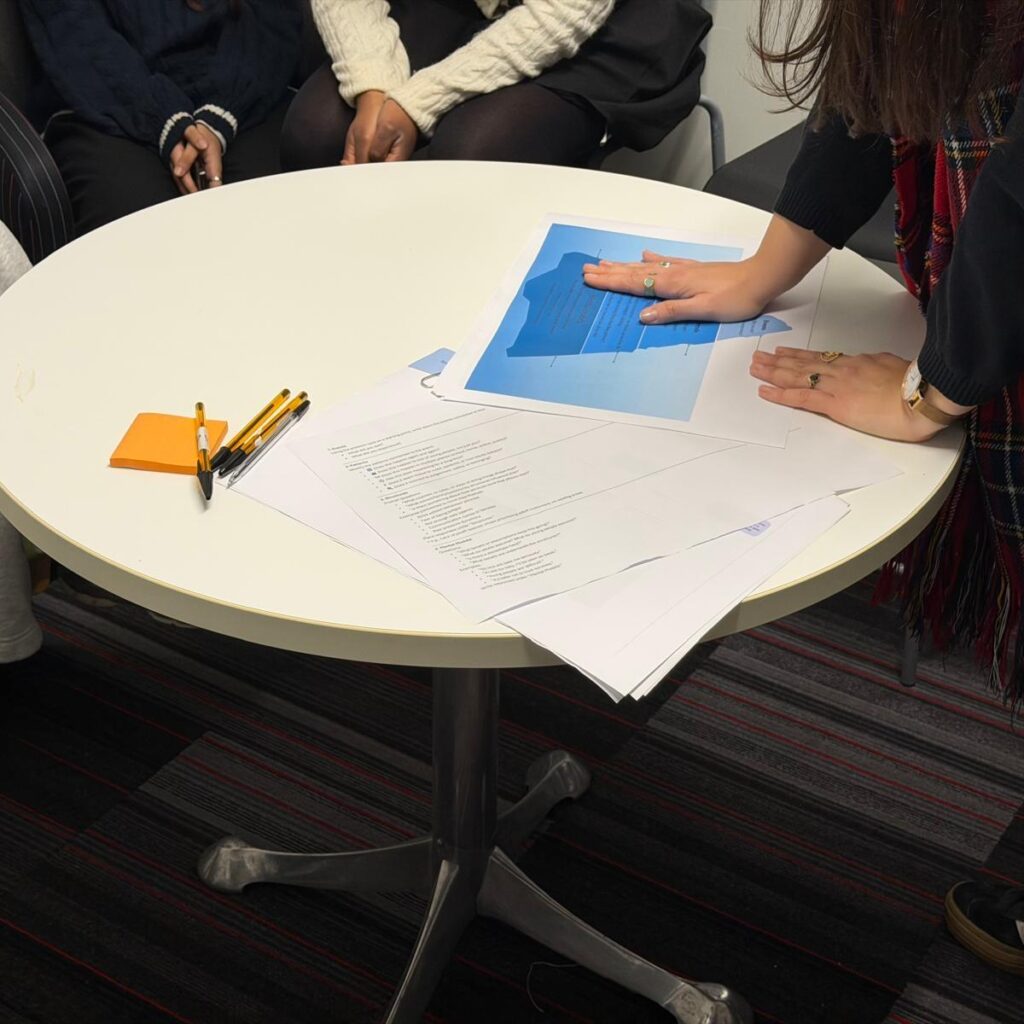
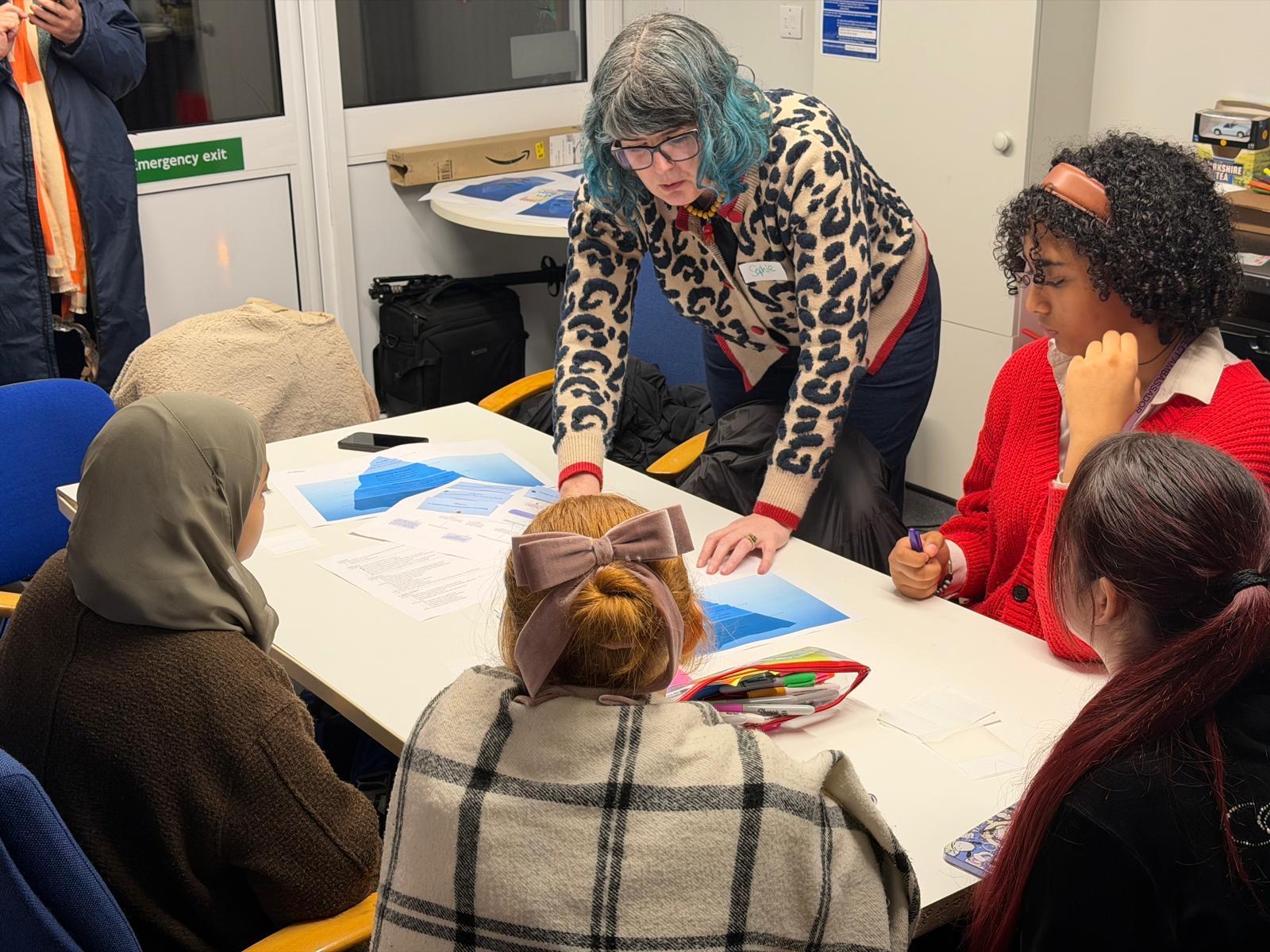
Facilitators introduced the idea that most of what we see is only the “tip of the iceberg.” Beneath visible events sit recurring patterns, structural issues and shared beliefs that keep problems in place.
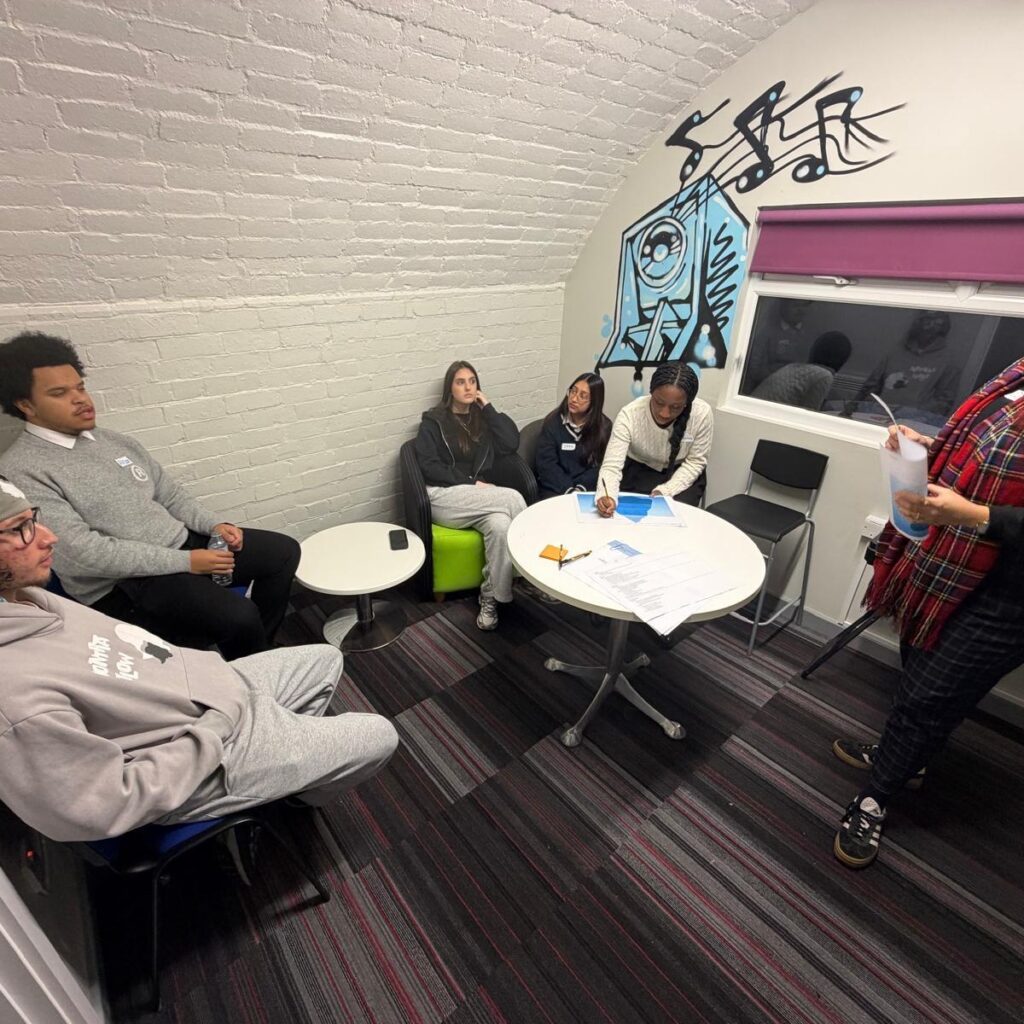
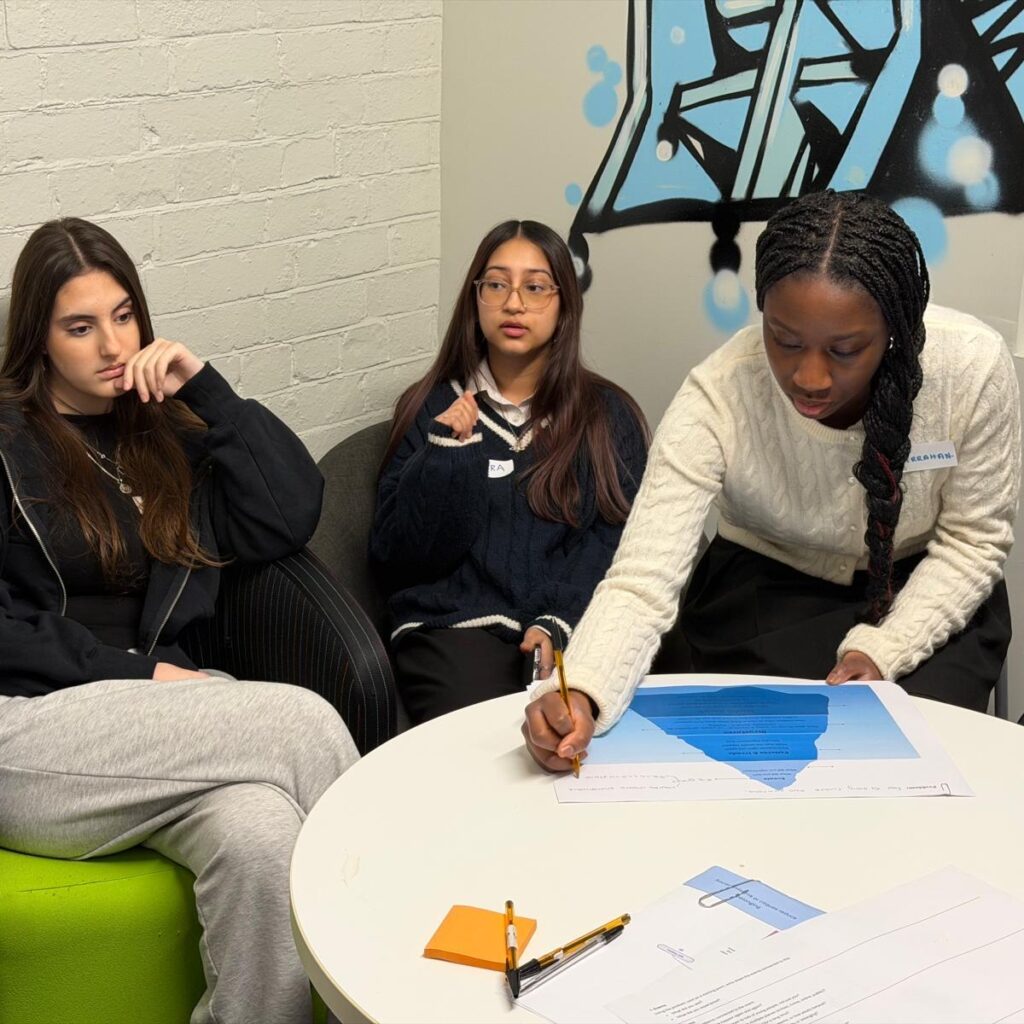
Working in small groups, young people:
Created new system icebergs from problem statements
Added deeper layers to existing icebergs
Used prompt questions to explore structures and mindsets shaping their experiences
Groups were split across different spaces, allowing focused discussion while keeping the energy manageable.
Sharing and connecting the dots
After a break, the group came back together to share their icebergs. As they listened to each other, young people began to notice strong overlaps:
Repeated structural barriers appearing across different issues
Similar beliefs and assumptions shaping multiple challenges
Connections between school, community, services and wider society
The group were asked a key question:
“If you could shift one thing in this system to make the biggest difference, what would it be?”
This helped move thinking from description towards insight — without jumping prematurely to solutions.
Reflections and next steps
The session closed with a collective reflection on what had emerged and what it means for the next phase of the Kailo project. Young people recognised that many challenges they face are not individual failings, but the result of systems that were not designed with them in mind.
The insights from this session will directly inform:
The project’s emerging themes
Youth-led recommendations
Future sessions focused on change, influence and action
Why this matters
Session 4 marked an important turning point — shifting from naming problems to understanding systems. This deeper analysis is essential to ensuring that the voices of young people lead to meaningful, informed change rather than surface-level responses.